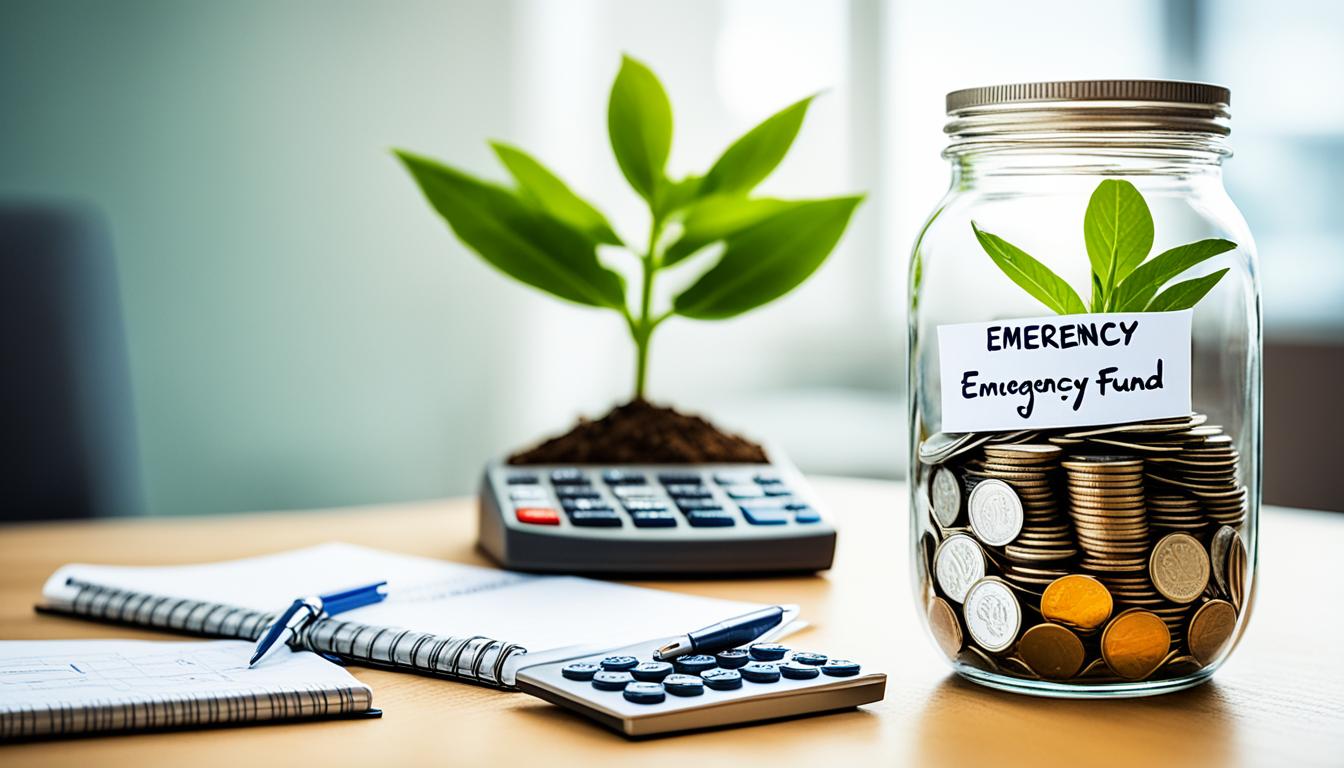
48% of Americans say they wouldn't be able to cover their expenses for 90 days if they lost their income. This shows how vital emergency fund savings are. Even a small financial setback can lead to a lot of debt. An emergency fund acts as a shield against unexpected costs, preventing the need for credit cards or loans that harm your finances.
An emergency fund is key to financial stability. It's a safety net for things like car repairs, medical bills, or losing your job. Without enough savings, these surprises can quickly turn into debt. This can have serious effects on your finances.
In this guide, we'll talk about why emergency fund savings are so important. We'll also look at how debt affects your financial health. Plus, we'll share practical ways to build a strong emergency fund to protect you from future money troubles. Our goal is to give you the knowledge and tools to take charge of your financial future, ensuring long-term security and resilience.
Key Takeaways
- An emergency fund is a crucial safety net for unexpected expenses, helping individuals avoid relying on credit cards or loans that can lead to debt.
- Research shows that individuals struggling to recover from financial shocks often have less savings and may resort to credit, making it harder to pay off debts.
- Building an emergency fund is about creating financial security and peace of mind, knowing you have a buffer against life's unexpected challenges.
- Automating savings and setting realistic goals are effective strategies for consistently growing your emergency fund.
- Maintaining discipline and avoiding increased spending once savings become automatic is key to the long-term success of your emergency fund.
Understanding Emergency Funds
An emergency fund is a key part of your financial safety net. It's like a rainy day fund, ready for big, unexpected costs like medical bills or car repairs. Having one is a big step towards securing your financial future.
What is an Emergency Fund?
An emergency fund is a special savings account for urgent, necessary costs. It helps you face unexpected challenges without debt. This fund is crucial for keeping your finances stable and healthy.
Importance of an Emergency Fund
An emergency fund protects your finances and gives you peace of mind. It stops you from using credit cards or high-interest loans for emergencies. This way, you can handle life's surprises with confidence and strength.
How Much Should You Save?
- Experts say save 3 to 6 months' living expenses, based on your situation.
- If you have debt, start with saving $1,000 first.
- After paying off debt, aim for 3 to 6 months' expenses in your fund.
- The right amount depends on your income, family size, and health.
Building a strong emergency fund prepares you for life's surprises. It keeps your finances secure, no matter what.
https://www.youtube.com/watch?v=SoAWs3KoZ-k
The Impact of Debt on Financial Health
Debt can really affect your financial health, causing stress and limiting your freedom. It's important to know about different debts and their effects. This knowledge helps in avoiding debt.
Types of Debt to Consider
There are many types of debt, like credit card debt and personal loans. A Federal Reserve study shows that 60% of people making $25,000 to $49,999 have credit card debt. Only 37% of those making $100,000 or more do.
Personal loans, used for debt consolidation, have APRs from 6.94% to 25.29%.
Consequences of Unmanaged Debt
Debt without control can lead to high-interest payments and lower credit scores. Bankrate's 2024 report shows 36% of adults have more credit card debt than savings. This shows the need for an emergency fund to avoid high-interest debt.
The report also found that 58% of people with debt feel it stops them from reaching big financial goals. These goals include buying a home, saving for retirement, or starting a family. Also, 36% delayed big purchases, 29% delayed saving for retirement, and 18% delayed buying a home because of debt.
"36% of adults have more credit card debt than savings, highlighting the importance of building an emergency fund to avoid relying on high-interest credit cards or costly personal loans for sudden expenses."
Debt can really hold you back from achieving your long-term goals. Knowing about different debts and their effects is key to avoiding them.
Strategies for Building an Emergency Fund
Having a solid emergency fund is key to keeping your finances safe. By using smart saving methods, you can build up money for unexpected costs. This way, you avoid debt. Here are some effective ways to meet your emergency savings goals.
Setting Realistic Savings Goals
First, figure out how much you can save by looking at your income and bills. Experts say to aim for three to six months' worth of living costs. If that's too much, start with saving for one month and then increase it.
Automating Your Savings
Make saving automatic by moving money from your checking to a savings account regularly. This "pay yourself first" method helps savings become a habit. You can also split larger savings into smaller amounts to make it easier.
Tips for Cutting Expenses
- Find ways to spend less on things like eating out, subscriptions, and TV. Put that money into your savings.
- Try to get better deals on bills and services like internet, phone plans, and insurance.
- Live more simply by shopping at thrift stores, cooking meals ahead of time, and cutting down on extra spending.
- Use cash-back programs or special credit cards to earn more money for your savings.
Building an emergency fund is a long-term effort but it's worth it. By setting achievable goals, automating your savings, and cutting costs, you can grow your financial safety net. This protects your family's future.
"Preparing for the unexpected is one of the most important things you can do for your financial security. An emergency fund is the foundation of a solid financial plan." - Financial Advisor, SESLOC Credit Union

The Role of Financial Planning
Creating a detailed financial plan is key to building a strong emergency fund. By making a budget, checking your finances often, and getting expert advice, you can make sure your emergency savings meet your financial goals. This provides a solid safety net for you and your family.
Creating a Comprehensive Budget
Begin by tracking your income and expenses to make a detailed budget. Use tools like Bankrate's Home Budget Calculator or budgeting apps to understand your finances better. Sort your spending, find ways to save, and set aside money for your emergency fund.
Monthly Review and Adjustments
It's important to regularly check your budget and savings. Do a monthly financial review to see how you're doing, make changes if needed, and keep up with your emergency fund goals. This helps you adjust to changes and find ways to improve.
Seeking Professional Guidance
If you're having trouble with your emergency fund or need specific advice, think about getting help from a financial advisor. They can make a plan just for you to reach your financial goals, including a strong emergency fund. Their knowledge can offer great insights and strategies to make sure your emergency savings fit your financial health.
| Financial Institution | High-Yield Savings Account APY |
|---|---|
| American Express | 4.20% |
| Ally Bank | 4.50% |
| Marcus by Goldman Sachs | 5.00% |
By using financial planning, budgeting, and professional financial advice for your emergency fund, you can be proactive in building financial strength. This helps secure your family's future.
"The first rule of financial freedom is to pay yourself first." - Warren Buffett
https://www.youtube.com/watch?v=iqZ0qaxjgSM
Get Started on Your Financial Journey
Start your journey to financial security with our FREE 30 Minute Financial Empowerment 5S Session. This session will help you face your financial challenges and take back control. We'll work together to set you on the path to success, focusing on your specific needs and goals.
Join the FREE 30 Minute Financial Empowerment 5S Session
Our 5S session covers the key parts of managing your finances: Savings, Spending, Stability, Strategies, and Support. This complete approach will help you build a strong financial base. It will also help you reach your long-term financial goals.
Contact Information for Support
For support or to book your session, contact Anthony at anthony@anthonydoty.com or call 940-ANT-DOTY. Our team of financial experts is ready to guide you. They will provide the help and resources you need to move forward confidently in your financial journey.
Making Your Financial Goals a Reality
Remember, building an emergency fund is a journey, and every small step counts. By consistently working towards your savings goals and adjusting your financial strategies as needed, you can make your financial goals a reality. This will help you achieve long-term financial resilience.
FAQ
What is an emergency fund?
An emergency fund is a key part of being financially stable. It acts as a safety net for sudden expenses. This can include car repairs, home fixes, medical bills, or losing your job.
Why is an emergency fund important?
Having an emergency fund brings financial security and peace of mind. It helps you avoid debt and covers unexpected costs.
How much should you save for an emergency fund?
Experts suggest saving 3-6 months' worth of expenses. This depends on your family and job stability. Start with
FAQ
What is an emergency fund?
An emergency fund is a key part of being financially stable. It acts as a safety net for sudden expenses. This can include car repairs, home fixes, medical bills, or losing your job.
Why is an emergency fund important?
Having an emergency fund brings financial security and peace of mind. It helps you avoid debt and covers unexpected costs.
How much should you save for an emergency fund?
Experts suggest saving 3-6 months' worth of expenses. This depends on your family and job stability. Start with $1,000 if you have debt. Once debt-free, aim for 3-6 months' worth of expenses.
How does debt impact financial health?
Debt can harm your financial health, causing stress and limiting freedom. It includes credit card debt, personal loans, and unexpected borrowing. Uncontrolled debt leads to high-interest payments, lower credit scores, and financial trouble.
What are some strategies for building an emergency fund?
Building an emergency fund needs a plan and consistent effort. Start with achievable savings goals, automate your savings, and cut costs. Use unexpected income for savings. Make saving a habit and a priority in your financial plan.
How can financial planning help with building an emergency fund?
Financial planning is vital for an emergency fund. Make a detailed budget, review it monthly, and adjust as needed. For personalized advice, consider a financial advisor.
How can I get started on my financial journey?
Begin your financial journey with our FREE 30 Minute Financial Empowerment 5S Session. This session will help you overcome financial challenges and take control. We'll set you on the right path, addressing your needs and goals. For support or to book, contact Anthony at anthony@anthonydoty.com or call 940-ANT-DOTY.
How does debt impact financial health?
Debt can harm your financial health, causing stress and limiting freedom. It includes credit card debt, personal loans, and unexpected borrowing. Uncontrolled debt leads to high-interest payments, lower credit scores, and financial trouble.
What are some strategies for building an emergency fund?
Building an emergency fund needs a plan and consistent effort. Start with achievable savings goals, automate your savings, and cut costs. Use unexpected income for savings. Make saving a habit and a priority in your financial plan.
How can financial planning help with building an emergency fund?
Financial planning is vital for an emergency fund. Make a detailed budget, review it monthly, and adjust as needed. For personalized advice, consider a financial advisor.
How can I get started on my financial journey?
Begin your financial journey with our FREE 30 Minute Financial Empowerment 5S Session. This session will help you overcome financial challenges and take control. We'll set you on the right path, addressing your needs and goals. For support or to book, contact Anthony at anthony@anthonydoty.com or call 940-ANT-DOTY.