
Showing posts with label Kids investing. Show all posts

Thursday, April 24, 2025

Empower Your Kids with Fun Stock Market Activities | Start Today!

Did you know that 60% of parents report lending money to their adult children in the past year? This highlights a growing need for early financial education to build independence and resilience1. Teaching children about the stock market doesn’t have to be overwhelming. In fact, it can be fun and engaging!

Take Jonathan, for example. At just 7 years old, he learned about stocks through his dad’s business experiences. From shoveling driveways to running a lemonade stand, Jonathan’s early ventures made complex financial concepts relatable and exciting2. These practical lessons turned into lifelong skills.

Financial stress is real, but small steps can lead to big wins. Programs like BusyKid allow children to allocate earnings into spending, sharing, and investing categories, fostering responsibility and literacy2. By making financial education a family activity, you’re setting the stage for long-term success.

Feeling stressed about your finances? You’re not alone. Join my FREE 30 Minute Financial Empowerment 5S Session to tackle your challenges and start building a brighter future today.

Key Takeaways

  • Early financial education builds independence and resilience.
  • Practical family experiences make complex concepts relatable.
  • Programs like BusyKid teach spending, sharing, and investing.
  • Small steps in financial literacy lead to long-term success.
  • Empower your family with fun and engaging financial lessons.

Introduction to Stock Market Learning for Kids

Financial literacy starts early, and it’s never too soon to introduce your child to the world of investing. Even if finances seem overwhelming, starting with simple lessons can transform their future. Early exposure to financial concepts builds confidence and independence, setting the stage for long-term success.

The Importance of Early Financial Literacy

Teaching children about money isn’t just about saving—it’s about understanding how it works. Early financial education helps them grasp concepts like budgeting, investing, and risk management. For example, comparing a lemonade stand to a real company’s shares makes investing tangible and relatable3.

Programs like The Stock Market Game (SMG) encourage teamwork and teach essential life skills like leadership and responsibility4. These interactive lessons make learning engaging and practical, helping students see the bigger picture.

Benefits of Teaching Kids About Money

When children learn about money early, they develop better money management skills. They understand the value of budgeting and the importance of saving for the future. Simple activities, like tracking stock prices or playing virtual investment games, can demystify complex ideas3.

By teaching them about shares and dividends, you’re introducing them to additional income streams. Diversification, a key strategy in investing, can also be explained through relatable examples like spreading investments across different industries3.

These lessons aren’t just for children—they’re for parents too. By learning together, families can build a stronger financial foundation and set their children up for future independence.

Understanding the Stock Market Basics

Understanding the basics of the stock market can feel like unlocking a new language. But once you grasp the fundamentals, it becomes a powerful tool for building wealth. Let’s break it down into simple, manageable parts so you can confidently share this knowledge with your family.

What Are Stocks and How Do They Work?

A stock represents a piece of ownership in a company. Think of it like a puzzle—each share is a small piece that, when combined with others, forms the complete picture of the business. When you own a share, you’re essentially a part-owner of that company5.

The value of a stock changes based on the company’s success or challenges. For example, if a company performs well, its stock price may rise. If it faces difficulties, the price might drop. This dynamic makes investing both exciting and unpredictable.

https://www.youtube.com/watch?v=J0LOsRdR89U

An Overview of Market Terminology

Navigating the stock market involves understanding key terms. The New York Stock Exchange (NYSE) and Nasdaq are two of the largest exchanges where companies list their shares. The NYSE lists around 2,800 companies, while Nasdaq is home to approximately 3,3005.

Other important terms include dividends (payments made to shareholders) and indexes like the S&P 500, which tracks the performance of 500 large companies5. These tools help investors make informed decisions.

Factors like risk, management, and market demand also influence stock prices. For instance, a well-managed company with high demand for its products is likely to see its stock value grow. Understanding these basics lays the groundwork for deeper financial knowledge.

Programs like The Stock Market Game make learning interactive and fun. They teach essential skills like research and decision-making, preparing students for real-world investing.

Creative kids stock market activities to Engage Young Investors

Turning financial education into a fun experience can spark lifelong curiosity. By using interactive tools and real-world examples, you can make learning about investments engaging and accessible. These methods not only teach valuable lessons but also inspire creativity and confidence in young minds.

Interactive Games and Simulations

Games and simulations are excellent ways to introduce financial concepts. For instance, virtual platforms like How The Market Works allow students to practice trading in a risk-free environment. Studies show that 70% of participants improve their understanding of stock dynamics after using such tools6.

Another great option is Build Your Stax, which teaches decision-making and risk management. These activities turn complex ideas into simple, hands-on lessons. They also encourage teamwork and critical thinking, making them perfect for families or classrooms.

stock market simulation for students

Real-World Examples from Family Ventures

Real-life examples make financial concepts relatable. Take Jonathan’s story—his lemonade stand taught him about profit, loss, and customer demand. These small ventures can be powerful teaching tools, showing how businesses grow and succeed.

Family-run projects, like a small garden or a craft business, can also serve as practical lessons. They teach budgeting, planning, and the value of hard work. By involving children in these activities, you’re giving them a head start in understanding the world of investments.

For more insights on building a strong financial foundation, check out this guide on investment basics for beginners. It’s a great resource for families looking to grow their financial knowledge together.

Practical Steps for Setting Up a Kid-Friendly Investment Plan

Setting up a simple investment plan for your family can be both rewarding and educational. It’s a great way to introduce young minds to the world of finance while building a foundation for future success. Let’s break it down into easy-to-follow steps that make the process fun and stress-free.

https://www.youtube.com/watch?v=boKeWE8xYiQ

Establishing Financial Goals and Portfolios

Start by setting clear financial goals. Whether it’s saving for college or teaching the value of long-term growth, having a target makes the process meaningful. Use relatable examples, like a lemonade stand, to explain how a business grows and generates cash.

Next, consider opening a custodial brokerage account. These accounts allow parents to manage investments on behalf of their children until they reach adulthood. Many platforms offer $0 per online equity trade, making it affordable to get started7.

Once the account is set up, focus on building a simple portfolio. Diversify by investing in different companies or industries. This reduces risk and teaches the importance of spreading investments. For example, you could allocate funds to tech, healthcare, and consumer goods.

Step Action Example
1 Set Financial Goals Save for college or a big purchase
2 Open a Custodial Account Choose a platform with low fees
3 Build a Portfolio Invest in tech, healthcare, and consumer goods

Teach the basics of trading by explaining how shares work. Use real-world examples, like tracking the performance of a favorite company. This makes the concept tangible and engaging.

Finally, involve your child in the process. Let them help choose investments or track progress. This hands-on approach builds confidence and reinforces the lesson of responsible finance.

For more tips on creating a family-friendly investment strategy, check out this guide on how to pick stocks for beginners. It’s a great resource for building a strong foundation together.

Enhancing Financial Literacy: Hands-on Tips and Interactive Lessons

Everyday moments can become powerful lessons in financial literacy when approached with intention. By turning routine decisions into teachable moments, you can help young minds understand the value of money and the importance of smart choices. This approach makes learning practical and relatable, setting the stage for lifelong skills.

Using Everyday Financial Decisions as Learning Moments

Simple activities like grocery shopping can teach budgeting and prioritization. For example, give your child a set amount of money and let them decide what to buy. This exercise helps them understand trade-offs and the importance of planning8.

Running a pretend store at home is another great way to introduce concepts like profit and loss. Use play money to simulate transactions, and discuss how businesses make decisions to grow. These hands-on lessons make complex ideas tangible and fun.

Engaging Classroom and Home-Based Activities

Interactive programs like KidVestors allow students to set savings goals and engage in real-world simulations. These activities teach essential skills like decision-making and risk management9.

At home, consider using financial board games to make learning about money management enjoyable. These games encourage teamwork and critical thinking while reinforcing key concepts.

By celebrating small wins and using familiar scenarios, you can help children see the “why” behind financial decisions. This gradual, empowering process builds confidence and prepares them for future independence.

Financial Empowerment for Families: Exclusive FREE 30 Minute Financial Empowerment 5S Session

Taking control of your family’s financial future starts with one simple step. Financial stress can feel overwhelming, but you don’t have to face it alone. That’s why I’m offering a FREE 30 Minute Financial Empowerment 5S Session—a chance to tackle your challenges head-on and start building a brighter tomorrow.

How the Session Can Help Tackle Financial Stress

Financial stress doesn’t just affect your wallet—it impacts your well-being. Studies show it can harm memory, attention, and decision-making, making it harder to focus on what matters most10. This session is designed to help you break free from that cycle.

During our time together, we’ll create personalized strategies to address your unique challenges. Whether it’s managing debt, saving for the future, or understanding investments, you’ll leave with actionable steps and renewed confidence. It’s not just about numbers—it’s about building resilience and peace of mind.

Contact Information and Next Steps

Ready to take the first step? Booking your session is easy. Simply visit the FREE 30 Minute Financial Empowerment 5S Session page or reach out directly at anthony@anthonydoty.com or call 940-ANT-DOTY. This session could be the turning point your family needs to achieve financial security.

Remember, financial empowerment isn’t just about money—it’s about creating a life of freedom and opportunity. Let’s work together to make that vision a reality. For more tools to teach your family about finance, explore these money management games that make learning fun and engaging.

Conclusion

Building a strong financial foundation starts with small, intentional steps. By using real-world examples, like a lemonade stand or a family business, you can make complex concepts like the stock market relatable and engaging. These lessons not only teach the value of money but also build confidence for future decisions11.

Even basic lessons in finance can pave the way for long-term success. Whether it’s tracking prices or exploring investment options, every step counts. Families who learn together create a shared understanding that strengthens financial resilience12.

Remember, every decision, no matter how small, builds a foundation for stability. Continue engaging with your child through discussions and hands-on activities. For more insights, explore this guide on teaching children about investing.

With the right knowledge and support, achieving financial independence is within reach. Start today, and watch your family’s confidence grow.

FAQ

Why is it important to teach children about the stock market early?

Introducing financial concepts early helps children develop money management skills, understand the value of saving, and build confidence in making informed decisions. It sets a foundation for long-term financial resilience.

What are some simple ways to explain stocks to a child?

You can describe stocks as small pieces of a company that people can buy. When the company does well, the value of those pieces may grow, and when it doesn’t, the value may decrease. Use relatable examples like their favorite toy or food brand to make it easier to grasp.

Are there interactive tools to help kids learn about investing?

Yes! There are games, simulations, and apps designed to teach children about investing in a fun and engaging way. These tools often use real-world scenarios to help them understand how the market works.

How can I involve my child in family financial decisions?

Start by discussing simple choices, like comparing prices at the store or setting a budget for a family outing. This helps them see how financial decisions impact everyday life and builds their understanding of money management.

What’s the best way to set up a kid-friendly investment plan?

Begin by setting clear financial goals, like saving for a toy or a future event. Then, help them create a small portfolio with companies they know and love. Use this as a hands-on way to teach them about growth and risk.

How can I make financial literacy fun at home?

Turn everyday activities into learning moments. For example, play board games that involve money, create a pretend store, or use apps that simulate trading. These activities make learning about finance enjoyable and practical.

What’s included in the FREE 30-Minute Financial Empowerment 5S Session?

This session provides personalized guidance to help families tackle financial stress, set achievable goals, and create a plan for long-term success. It’s a great way to start building confidence and resilience together.

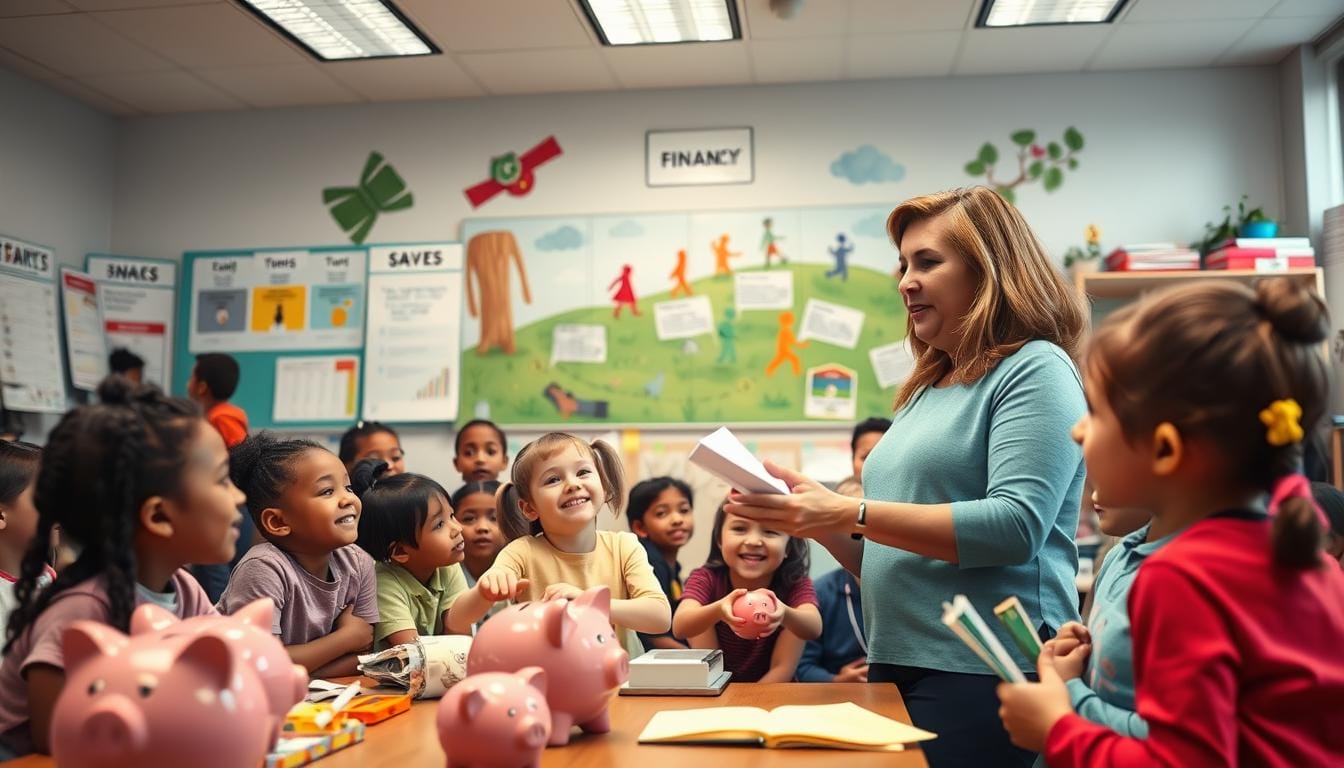
For more insights and detailed guides, visit our website: (https://anthonydoty.com). Start your journey to financial freedom today! 🌟 🚀 Don’t miss out on our free 30-minute consultation to kickstart your financial empowerment journey. [Click here to book now](Links.Anthonydoty.com/s/FREE30). Follow us for more expert tips and join our community of empowered individuals. #FinancialFreedom #WealthBuilding #BudgetingTips #FinancialPlanning #Empowerment #Success #AnthonyDoty https://anthonydoty.com/kids-stock-market-activities/?feed_id=10247&_unique_id=680a8d1584999&utm_source=&utm_medium=admin&utm_campaign=FS%20Poster

Wednesday, April 23, 2025

Intro to Investing for Kids: Start Their Financial Future?

Did you know that a teenager investing just $2,400 annually from age 16 to 20 could accumulate over $2 million by retirement age1? This powerful example shows how early financial education can transform a child’s future. Teaching kids about money isn’t just about saving—it’s about building confidence and preparing them for a complex financial world.

Starting early helps children understand concepts like budgeting, saving, and investing. Simple practices, like opening a custodial account or introducing them to compound growth, can make a huge difference. Even if you feel stressed about your own finances, small steps today can create a brighter tomorrow for your family.

Feeling overwhelmed? You’re not alone. Join my FREE 30 Minute Financial Empowerment 5S Session to tackle your challenges and regain control. Together, we’ll set you on the path to success—book now!

Key Takeaways

  • Early financial education builds confidence and prepares kids for the future.
  • Simple tools like custodial accounts can teach valuable money skills.
  • Investing small amounts early can lead to significant long-term growth.
  • Parents can start by focusing on their own financial stability first.
  • Practical guidance is available to help families take the first step.

For more tips on teaching kids about money, check out this helpful guide or explore smart saving habits to get started.

Empowering Your Family through Financial Literacy

Financial literacy isn’t just a skill—it’s a gift that can transform your family’s future. By teaching your kids about money, you’re giving them the tools to navigate life’s financial challenges with confidence. Studies show that children who observe their parents making thoughtful financial decisions are more likely to adopt similar behaviors2.

https://www.youtube.com/watch?v=T8LdbRx8a9I

Feeling stressed about your finances? You’re not alone. Less than 50% of Americans have an emergency savings fund3. That’s why I’m offering a FREE 30 Minute Financial Empowerment 5S Session. This hands-on session is designed to help you tackle financial challenges and build a strong foundation for your family.

Join the FREE 30 Minute Financial Empowerment 5S Session

This session is more than just a conversation—it’s a step toward financial freedom. We’ll work together to identify your goals, create a plan, and empower you to take control of your finances. Whether you’re just starting or need a fresh perspective, this session is for you.

Real-World Lessons for Every Family

Financial education doesn’t have to be complicated. Simple, everyday activities like grocery shopping or running a lemonade stand can teach valuable lessons. For example, setting up a custodial account for your child can introduce them to the concept of saving and investing2.

  • Use daily experiences to teach needs versus wants.
  • Involve your kids in budgeting and saving decisions.
  • Start with small steps, like setting savings goals together.

For more resources, check out KidVestors, a platform that makes financial education fun and engaging for kids. Or explore investment basics to learn how to grow your family’s wealth.

Building the Foundation: Teaching Kids the Basics of Money

Understanding money starts with simple, everyday lessons that kids can grasp early on. By breaking down complex ideas into relatable terms, you can help them build a strong financial mindset. One of the first steps is teaching the difference between needs and wants. This creates a clear understanding of priorities and sets the stage for smarter money decisions.

teaching kids about money

Understanding Needs Versus Wants

Needs are essentials like food, clothing, and shelter, while wants are things like toys or video games. Helping kids distinguish between the two can prevent impulsive spending. For example, during a shopping trip, ask them to identify which items are needs and which are wants. This simple exercise can make a big difference in their financial thinking4.

Using Everyday Experiences to Explain Money

Everyday activities are perfect for teaching money skills. Grocery shopping can be a lesson in budgeting, while a lemonade stand can introduce the concept of earning and saving. These hands-on experiences make abstract ideas like stocks or mutual funds easier to understand later on.

Introduce the idea of building a portfolio over time. Explain how patience and consistency can grow their savings. For example, show them how a small investment in a stock can increase in value over the years. This helps them see the long-term benefits of being a young investor.

For more practical tips, check out this helpful guide on teaching kids essential money skills. It’s a great resource for parents looking to empower their children with financial knowledge.

Effective Techniques for intro to investing for kids

Helping kids understand the basics of investing can set them up for a lifetime of financial success. By introducing them to concepts like risk and return, you can build their confidence and prepare them for the market. Start with simple, hands-on activities that make learning fun and relatable.

https://www.youtube.com/watch?v=8JSGKQiwafc

Setting Up Custodial Investment Accounts

One of the best ways to introduce kids to investing is by opening a custodial account. These accounts, governed by the Uniform Gift to Minors Act (UGMA) or the Uniform Transfer to Minors Act (UTMA), allow parents to manage investments for their children until they reach legal age5.

Here’s how to get started:

  • Choose a brokerage that offers custodial accounts.
  • Select diversified investments like ETFs to minimize risk.
  • Involve your child in the decision-making process to teach them about the market.

For more details, check out this guide on custodial investment accounts.

Simple Investment Simulations and Hands-On Activities

Simulations are a great way to teach kids about investing without real financial risk. Platforms like MockPortfolios.com allow them to practice buying and selling stocks in a safe environment5.

Here are some engaging activities:

  • Use a mock portfolio to track the performance of popular ETFs.
  • Discuss the concept of return by comparing different investments.
  • Encourage them to research companies they’re familiar with, like Nike or Apple.

As Warren Buffett once said,

"The best investment you can make is in yourself."

Teaching kids about investing is an investment in their future.

Investment Type Risk Level Potential Return
ETFs Low to Moderate Steady Growth
Individual Stocks High Variable
Bonds Low Fixed Income

By starting early and using these techniques, you can help your child develop a strong financial foundation. Remember, the goal is to make learning about the market a fun and educational experience.

Age-Appropriate Financial Concepts and Activities

Financial education can be tailored to fit every stage of childhood, making learning both fun and impactful. By using age-appropriate tools and activities, you can help your child build a strong foundation in money management. Whether it’s through games or hands-on projects, these methods make complex concepts easy to understand.

Interactive Tools and Games for Younger Children

For younger kids, interactive apps and games are a great way to spark interest in finance. Platforms like Lemonade Stand and Star Banks Adventure turn learning into a playful experience. These tools teach basic concepts like savings and cost in a way that feels like fun, not a lesson6.

Here’s how to get started:

  • Choose apps that focus on budgeting and saving.
  • Play together to reinforce the lessons.
  • Discuss the value of money after each session.

For more ideas, check out these engaging money management games that make learning about finance exciting for kids.

Entrepreneurial Projects for Middle Schoolers

Middle school is the perfect time to introduce entrepreneurial projects. Activities like running a lemonade stand or selling handmade crafts teach kids about cost, profit, and value. These hands-on experiences provide real-world lessons that go beyond the classroom7.

Here are some tips to guide them:

  • Help them calculate expenses and set prices.
  • Encourage them to track their earnings and savings.
  • Discuss how their efforts contribute to their goals.

As one advisor shared,

"Entrepreneurial projects teach kids that hard work pays off—literally."

These activities not only build financial skills but also boost confidence and creativity.

By using these age-appropriate methods, you can make financial education a natural part of your child’s growth. Remember, the goal is to make learning about money both meaningful and enjoyable.

Family Budgeting and Long-Term Savings Strategies

Family budgeting isn’t just about numbers—it’s a chance to teach kids valuable life skills. By involving them in financial planning, you can demystify money management and set the stage for long-term success. Simple steps, like discussing savings goals or setting aside a specific amount from allowances, can make a big difference8.

Engaging Kids with Family Budgeting

Involving your get kid in family budgeting can turn numbers into meaningful lessons. Start by explaining how a budget works and why it’s important. For example, during a grocery trip, show them how to compare prices and make smart choices. This hands-on approach helps them understand the value of money and the importance of planning9.

Here’s how to make it engaging:

  • Set a monthly savings goal together and track progress.
  • Discuss how small savings can grow over term.
  • Use apps or charts to visualize financial goals.

Teaching the Value of Savings and Investments

Long-term savings and investments are powerful tools for building financial security. Explain how regular contributions to a savings account can grow over time. For instance, if your child sets aside $10 each month, they’ll see how consistency leads to growth8.

Here are some strategies to teach them:

  • Open a custodial account to introduce them to the product of investing.
  • Discuss the benefits of making investment decisions as a family.
  • Show them how compound interest works with practical examples.

As one parent shared,

"Teaching my kids about budgeting and saving has given them confidence and a sense of responsibility."

By making financial education a family service, you’re not just planning for today—you’re building a brighter future for your kids.

Real-World Investing Concepts and Risk Management

Teaching kids about real-world investing concepts can empower them to make smarter financial decisions as they grow. By breaking down complex ideas into relatable examples, you can help them understand how money works in the market. Start with simple concepts like compound interest and diversification, which are key to building long-term wealth10.

Understanding Compound Interest with Practical Examples

Compound interest is like planting a seed—it grows over time. For example, if your child invests $100 and earns 7% interest each year, their money will double in about 10 years10. This powerful concept shows how small investments can grow into significant sums.

Here’s a simple way to explain it:

  • Use a savings account to show how interest adds up.
  • Compare it to a snowball rolling downhill, getting bigger as it goes.
  • Discuss how reinvesting returns can increase their income over time.

Explaining Market Risks and Diversification

Investing always involves some level of risk, but diversification can help manage it. Think of it like buying slices of pizza—owning a variety of toppings reduces the chance of disappointment11. Similarly, spreading investments across different assets can protect against losses.

Here’s how to teach this concept:

  • Explain how owning a share in multiple companies reduces risk.
  • Discuss how expenses like fees can impact overall value.
  • Use real-life examples, like investing in familiar brands they love.
Investment Type Risk Level Potential Return
Stocks High Variable
Bonds Low Fixed Income
ETFs Moderate Steady Growth

By introducing these concepts early, you’re not just teaching kids about money—you’re giving them the tools to build a secure financial future. As one parent shared,

"Helping my child understand investing has made them more confident and curious about the world of finance."

Start small, use relatable examples, and watch their financial knowledge grow.

Conclusion

Building a strong financial foundation for your family starts with small, intentional steps today. Teaching kids about money early—whether through a savings account or hands-on lessons—can set them up for lifelong success. Studies show that children who learn financial skills early are 40% more likely to make informed decisions as adults12.

Understanding concepts like interest and market price can empower your family to make smarter choices. Every state and situation is unique, but the same fundamental principles apply. Start with manageable goals and grow from there.

Ready to take the first step? Join my FREE 30 Minute Financial Empowerment 5S Session. Together, we’ll create a plan to secure your family’s future. For more insights, explore investment basics to deepen your knowledge.

Financial literacy is a gift that keeps giving. Start today—your family’s brighter future begins now.

FAQ

What’s the best way to introduce kids to investing?

Start with simple concepts like saving and compound interest. Use hands-on activities like setting up a mock portfolio or explaining how a savings account grows over time. Keep it fun and relatable to their interests.

How can I set up a custodial account for my child?

A custodial account, like a UTMA or UGMA, can be opened through most banks or brokerage firms. As the parent, you’ll manage it until your child reaches adulthood, making it a great tool for long-term investments.

What are some age-appropriate investment activities for teens?

Teens can explore apps like Acorns or Stash to start investing small amounts. Encourage them to research companies they’re interested in and consider buying shares of stock or ETFs to learn firsthand.

How do I explain market risks to my child?

Use real-life examples, like how prices of toys or games can change. Explain that investments can go up or down, and diversification helps reduce risk. Keep the conversation positive and focused on learning.

What’s the benefit of teaching kids about compound interest?

Compound interest shows how money grows over time. It’s a powerful lesson that encourages saving and investing early. Use a simple example, like how 0 saved today can grow significantly in 10 years.

Can kids invest in mutual funds or ETFs?

Yes, through a custodial account, kids can invest in mutual funds or ETFs. These are great options because they offer diversification and are managed by professionals, making them less risky than individual stocks.

How can I make financial education fun for younger kids?

Use games, apps, or interactive tools like Monopoly or online simulators. Create a savings jar for goals they care about, like a new toy, to teach the value of patience and planning.

What’s the role of parents in teaching kids about money?

Parents play a crucial role in modeling good financial habits. Involve kids in family budgeting, discuss spending decisions, and encourage them to set their own savings goals to build confidence and understanding.

For more insights and detailed guides, visit our website: (https://anthonydoty.com). Start your journey to financial freedom today! 🌟 🚀 Don’t miss out on our free 30-minute consultation to kickstart your financial empowerment journey. [Click here to book now](Links.Anthonydoty.com/s/FREE30). Follow us for more expert tips and join our community of empowered individuals. #FinancialFreedom #WealthBuilding #BudgetingTips #FinancialPlanning #Empowerment #Success #AnthonyDoty https://anthonydoty.com/intro-to-investing-for-kids/?feed_id=10233&_unique_id=68093ba16dbe1&utm_source=&utm_medium=admin&utm_campaign=FS%20Poster

Monday, April 14, 2025

Introduction to Investing for Kids: Empower Their Future

Did you know that 90% of wealthy families lose their wealth by the third generation? This startling statistic highlights the importance of teaching financial literacy early. By introducing your child to basic money concepts, you can help them build a strong foundation for lifelong financial independence1.

Starting early makes a huge difference. For example, a child who invests $200 a month from birth could accumulate over $7.2 million by age 60, thanks to the power of compounding1. Imagine the impact of teaching them these principles now—it’s not just about money; it’s about empowering them to make smart decisions as they grow.

Feeling overwhelmed by your own finances? You’re not alone. Join my FREE 30 Minute Financial Empowerment 5S Session to tackle your challenges and regain control. Together, we can turn financial stress into hope and action.

By engaging your child in conversations about saving, spending, and investing, you’re setting them up for success. Teaching children about investing lays the groundwork for their financial literacy and responsibility. Start today, and watch them thrive tomorrow.

Key Takeaways

  • Early financial education can prevent wealth loss across generations.
  • Compounding can turn small investments into significant wealth over time.
  • Teaching kids about money builds confidence and decision-making skills.
  • Starting young maximizes the benefits of long-term investing.
  • Parents play a key role in modeling good financial behaviors.

Why Start Investing Early?

Building a strong financial future begins with small steps today. When you start early, you give your child the gift of time, which is one of the most powerful tools in growing wealth. Even modest investments can grow significantly over the years, thanks to the magic of compounding2.

https://www.youtube.com/watch?v=T8LdbRx8a9I

Developing Good Saving Habits

Starting young helps children develop disciplined saving habits. These habits become a lifelong asset, setting them up for financial success. Studies show that kids who learn about money early are more likely to make smart financial decisions as adults3.

For example, teaching them to set aside a portion of their allowance or earnings can instill a sense of responsibility. Over time, these small actions build confidence and decision-making skills. It’s not just about saving—it’s about creating a mindset of financial awareness.

The Power of Compounding Returns

Compounding is like a snowball effect for your money. The earlier you start, the more your investments can grow. For instance, a child who invests $200 a month from birth could accumulate over $7.2 million by age 602.

This happens because your earnings generate their own earnings over time. It’s a simple yet powerful concept that highlights why every moment counts. Starting early isn’t just smart—it’s transformative.

If you’re feeling overwhelmed, remember you have options. Join my FREE 30 Minute Financial Empowerment 5S Session to learn how early investments can shape your child’s future. Together, we can turn financial stress into hope and action.

For more insights on the benefits of starting early, check out this resource.

Introduction to Investing for Kids: Key Concepts

Understanding financial concepts early can shape a child’s future success. By breaking down complex ideas into simple terms, you can help them grasp the basics of risk and return. These foundational lessons will empower them to make informed decisions as they grow.

Understanding Risk and Reward

Every financial decision involves balancing risk and potential return. For example, saving money in a bank account is low-risk but offers minimal income. On the other hand, investing in stocks can yield higher returns but comes with greater risk4.

Teaching kids this balance helps them understand that every choice has consequences. A practical example could be comparing a savings account to a stock investment. This makes the concept relatable and engaging.

Experts suggest that understanding risk and reward early on gives children a realistic view of market fluctuations. It also helps them learn to manage decisions peacefully5.

  • Risk versus reward: Explain how higher potential returns often come with greater risk.
  • Market dynamics: Use simple examples to show how prices change over time.
  • Practical lessons: Let kids practice making small financial decisions to build confidence.

By exploring these ideas together, you can turn every decision into a learning moment. For more foundational insights, check out this guide on investing basics.

Understanding Investment Options for Kids

Exploring investment options can be a fun way to teach kids about money. By breaking down complex ideas into simple terms, you can help them understand how different choices work. Let’s dive into some common options like stocks, bonds, and mutual funds.

investment options for kids

Stocks and Their Volatility

When you buy a stock, you own a small piece of a company. For example, if your child loves Nike, they could own a share of the company. This makes the concept tangible and relatable. However, stocks can be volatile—their value can go up or down quickly6.

Teaching kids about this volatility helps them understand risk and reward. It’s a great way to show how patience and research can lead to smart decisions. For more insights, check out this guide on teaching children about investments.

Bonds and Stable Investments

Unlike stocks, bonds are more stable. When you buy a bond, you’re lending money to a company or government. In return, they pay you interest over time. This makes bonds a safer option for beginners7.

Explaining bonds in terms of a loan can make the concept easier to grasp. It’s a great way to show how different investments serve different purposes.

Mutual Funds and ETFs

Mutual funds and ETFs (Exchange-Traded Funds) allow you to invest in many companies at once. This spreads out the risk, making them a good choice for young investors8.

For example, an ETF might include shares of Nike, Apple, and Coca-Cola. This diversification helps kids understand the value of not putting all their eggs in one basket.

Brokerage Accounts for Kids

A brokerage account is where you buy and sell investments. Many platforms allow parents to open accounts for their children. Even a small amount can be a great first step into the market6.

By involving kids in these decisions, you’re teaching them responsibility and financial awareness. It’s a hands-on way to prepare them for the future.

Setting Up Financial Accounts for Your Child

Setting up financial accounts for your child is a powerful way to teach them about money management. It’s not just about saving—it’s about building a foundation for their future. By taking a hands-on approach, you can help them understand the value of money and the importance of making informed decisions.

https://www.youtube.com/watch?v=Szmee00NgSI

Custodial vs. Brokerage Accounts Explained

When it comes to setting up an account for your child, you have two main options: custodial accounts and brokerage accounts. Each offers unique benefits, and understanding the differences can help you make the best choice for your family.

A custodial account is managed by a parent or guardian until the child reaches adulthood. These accounts, such as UGMA/UTMA accounts, allow you to invest on behalf of your child. Friends and family can contribute up to $18,000 free of gift tax to a child's UGMA/UTMA account; couples can contribute up to $36,0009. The first $1,300 in annual earnings is exempt from federal income tax, while the next $1,300 is taxed at the child's rate9.

On the other hand, a brokerage account allows your child to buy and sell investments directly. Many platforms, like Fidelity and Charles Schwab, offer accounts for minors with no minimum deposit required10. This hands-on experience can be a great way to teach them about the stock market and other investment options.

Account Type Key Features Benefits
Custodial Account Managed by parent/guardian, tax advantages, gift contributions allowed Builds long-term savings, teaches financial responsibility
Brokerage Account Direct investment access, no minimum deposit, real-time trading Hands-on learning, builds confidence in financial decisions

Setting up an account under your guidance helps your child learn through real-life experience. For example, a custodial Roth IRA allows contributions up to $7,000 or the child's total compensation for the year, whichever is lesser10. This not only builds savings but also teaches them about the benefits of long-term investing.

As a parent, guiding these initial stages builds both confidence and a lasting benefit for your child’s financial future. Whether you choose a custodial or brokerage account, the key is to start early and involve them in the process. This hands-on approach lays the groundwork for their financial education and sets them up for success.

For more detailed steps on opening a savings account, check out this guide. Remember, every small step you take today can have a big impact on their tomorrow.

Real-World Strategies and Account Tips

Practical strategies can turn financial theory into everyday success. By focusing on real-world applications, you can help your child understand how to manage money effectively. Let’s explore two key areas: simulated trading and budgeting for long-term goals.

Simulated Trading and Real Investments

Simulated trading platforms are a great way to teach young investors without risking real money. These platforms mimic real market conditions, allowing kids to practice buying and selling stocks, bonds, and ETFs. For example, a child can learn how to build a diversified portfolio by experimenting with different strategies11.

Once they’re comfortable, you can transition to real investments. Start small, perhaps with a company they know and love. This hands-on experience reinforces the lessons learned during simulation and builds confidence in their financial decisions12.

Budgeting for Long-Term Financial Goals

Budgeting is the foundation of any successful financial plan. Teach your child to allocate their money wisely—whether it’s for saving, spending, or investing. A simple rule is the 50/30/20 method: 50% for needs, 30% for wants, and 20% for savings and investments12.

Setting clear goals makes budgeting more meaningful. For example, saving for a new bike or contributing to a college fund can motivate them to stick to their plan. Over time, these habits will help them achieve long-term financial success.

Strategy Benefits Best For
Simulated Trading Risk-free learning, builds confidence, teaches market dynamics Beginners and young investors
Real Investments Hands-on experience, potential returns, long-term growth Experienced learners

By combining these strategies, you’re giving your child the tools they need to thrive financially. For more tips on teaching kids about managing money, check out this helpful guide.

Free Financial Empowerment 5S Session: Overcome Financial Stress

Financial stress can feel overwhelming, but you don’t have to face it alone. With my FREE 30-Minute Financial Empowerment 5S Session, you’ll gain practical tools to tackle your challenges and find immediate relief. Whether you’re a teen just starting out or an adult managing a family, this session is designed to help you take control of your finances13.

During the session, we’ll focus on key areas like tax planning, budgeting, and smart trade strategies. You’ll walk away with actionable steps to reduce stress and build a brighter financial future. As one participant shared,

"This session changed how I view money—it’s not just about numbers, it’s about peace of mind."

Book Your Free 30 Minute Session Now

Don’t let financial stress hold you back. A small amount of time invested in this service can yield lasting benefits. Whether you’re planning for the year ahead or need help with interest rates, this session is tailored to your needs14.

Contact Anthony for Financial Guidance

Ready to take the first step? Reach out today to schedule your session. Together, we’ll create a plan that works for you. For inspiration, check out these real-life success stories and see how others have transformed their financial lives.

Session Focus Benefits
Tax Planning Maximize savings, reduce liabilities
Budgeting Gain control over spending, build savings
Trade Strategies Learn smart investment techniques

Take charge of your financial future today. Book your session now and start overcoming financial stress with confidence.

Conclusion

Every smart financial decision today shapes a brighter tomorrow for your child. By starting early and choosing the right account type, you’re laying a solid foundation for their future. Whether it’s a custodial or brokerage account, these tools empower them to grow their savings and understand the value of money15.

Understanding expenses and managing them wisely is another key step. Small, thoughtful choices now can ease future burdens, like college costs. Research shows that children who learn about finances early are 50% more likely to save and develop positive habits15.

Teaching your minor about money isn’t just about numbers—it’s about building confidence and independence. Explore smart saving habits to make learning engaging and practical. Together, you can turn financial stress into proactive, empowering decisions.

The way forward is clear: small, informed steps lead to long-term success. Start today, and watch your child thrive tomorrow.

FAQ

What is a custodial account, and how does it work?

A custodial account is a financial account set up for a minor, managed by an adult until the child reaches legal age. It allows you to invest in stocks, bonds, or mutual funds on their behalf, helping build wealth over time.

Why is starting early important for kids’ investments?

Starting early gives your child the advantage of time. Compounding returns can grow their money significantly over the years, setting a strong foundation for their financial future.

What’s the difference between a custodial account and a brokerage account?

A custodial account is specifically for minors, with an adult managing it until the child turns 18 or 21. A brokerage account is for adults, offering more flexibility but without the custodial structure.

How can I teach my child about risk and reward in investing?

Start with simple examples, like comparing a savings account to stocks. Explain how higher risks can lead to greater rewards, but also potential losses. Use real-life scenarios to make it relatable.

Are there tax benefits to custodial accounts?

Yes, custodial accounts offer some tax advantages. The first

FAQ

What is a custodial account, and how does it work?

A custodial account is a financial account set up for a minor, managed by an adult until the child reaches legal age. It allows you to invest in stocks, bonds, or mutual funds on their behalf, helping build wealth over time.

Why is starting early important for kids’ investments?

Starting early gives your child the advantage of time. Compounding returns can grow their money significantly over the years, setting a strong foundation for their financial future.

What’s the difference between a custodial account and a brokerage account?

A custodial account is specifically for minors, with an adult managing it until the child turns 18 or 21. A brokerage account is for adults, offering more flexibility but without the custodial structure.

How can I teach my child about risk and reward in investing?

Start with simple examples, like comparing a savings account to stocks. Explain how higher risks can lead to greater rewards, but also potential losses. Use real-life scenarios to make it relatable.

Are there tax benefits to custodial accounts?

Yes, custodial accounts offer some tax advantages. The first $1,100 of unearned income is tax-free, and the next $1,100 is taxed at the child’s rate, which is typically lower than an adult’s.

What are some safe investment options for kids?

Bonds and ETFs are generally safer choices for kids. They offer stable returns with lower risk compared to individual stocks, making them ideal for long-term growth.

How can I help my child set financial goals?

Encourage them to think about short-term and long-term goals, like saving for a toy or college. Use budgeting tools to track progress and celebrate milestones to keep them motivated.

Can my child start trading with a custodial account?

While the account is in their name, the adult custodian manages all trades until the child reaches the legal age. It’s a great way to teach them about investing without giving full control.

What’s the best way to introduce my teen to investing?

Start with simulated trading apps to let them practice without risk. Gradually introduce real investments, explaining concepts like diversification and market trends along the way.

How can I ensure my child’s investments align with their education goals?

Focus on long-term growth investments like mutual funds or ETFs. These can help build a portfolio that supports future expenses, such as college tuition or vocational training.

,100 of unearned income is tax-free, and the next

FAQ

What is a custodial account, and how does it work?

A custodial account is a financial account set up for a minor, managed by an adult until the child reaches legal age. It allows you to invest in stocks, bonds, or mutual funds on their behalf, helping build wealth over time.

Why is starting early important for kids’ investments?

Starting early gives your child the advantage of time. Compounding returns can grow their money significantly over the years, setting a strong foundation for their financial future.

What’s the difference between a custodial account and a brokerage account?

A custodial account is specifically for minors, with an adult managing it until the child turns 18 or 21. A brokerage account is for adults, offering more flexibility but without the custodial structure.

How can I teach my child about risk and reward in investing?

Start with simple examples, like comparing a savings account to stocks. Explain how higher risks can lead to greater rewards, but also potential losses. Use real-life scenarios to make it relatable.

Are there tax benefits to custodial accounts?

Yes, custodial accounts offer some tax advantages. The first $1,100 of unearned income is tax-free, and the next $1,100 is taxed at the child’s rate, which is typically lower than an adult’s.

What are some safe investment options for kids?

Bonds and ETFs are generally safer choices for kids. They offer stable returns with lower risk compared to individual stocks, making them ideal for long-term growth.

How can I help my child set financial goals?

Encourage them to think about short-term and long-term goals, like saving for a toy or college. Use budgeting tools to track progress and celebrate milestones to keep them motivated.

Can my child start trading with a custodial account?

While the account is in their name, the adult custodian manages all trades until the child reaches the legal age. It’s a great way to teach them about investing without giving full control.

What’s the best way to introduce my teen to investing?

Start with simulated trading apps to let them practice without risk. Gradually introduce real investments, explaining concepts like diversification and market trends along the way.

How can I ensure my child’s investments align with their education goals?

Focus on long-term growth investments like mutual funds or ETFs. These can help build a portfolio that supports future expenses, such as college tuition or vocational training.

,100 is taxed at the child’s rate, which is typically lower than an adult’s.

What are some safe investment options for kids?

Bonds and ETFs are generally safer choices for kids. They offer stable returns with lower risk compared to individual stocks, making them ideal for long-term growth.

How can I help my child set financial goals?

Encourage them to think about short-term and long-term goals, like saving for a toy or college. Use budgeting tools to track progress and celebrate milestones to keep them motivated.

Can my child start trading with a custodial account?

While the account is in their name, the adult custodian manages all trades until the child reaches the legal age. It’s a great way to teach them about investing without giving full control.

What’s the best way to introduce my teen to investing?

Start with simulated trading apps to let them practice without risk. Gradually introduce real investments, explaining concepts like diversification and market trends along the way.

How can I ensure my child’s investments align with their education goals?

Focus on long-term growth investments like mutual funds or ETFs. These can help build a portfolio that supports future expenses, such as college tuition or vocational training.

For more insights and detailed guides, visit our website: (https://anthonydoty.com). Start your journey to financial freedom today! 🌟 🚀 Don’t miss out on our free 30-minute consultation to kickstart your financial empowerment journey. [Click here to book now](Links.Anthonydoty.com/s/FREE30). Follow us for more expert tips and join our community of empowered individuals. #FinancialFreedom #WealthBuilding #BudgetingTips #FinancialPlanning #Empowerment #Success #AnthonyDoty https://anthonydoty.com/introduction-to-investing-for-kids/?feed_id=10107&_unique_id=67fd5e5edaa65&utm_source=&utm_medium=admin&utm_campaign=FS%20Poster

Smart Personal Budgeting: Top Strategies

Are you finding it tough to manage your money? Maybe you're feeling stressed about paying bills or handling debts. Don't worry, w...