Showing posts with label money management. Show all posts

Sunday, April 27, 2025

What are the pros and cons of automating your finances?

About 51% of people find automating their finances helpful for keeping track of their money. This shows how many are turning to financial automation in our busy lives. Automating finances is a tool that can really improve how I manage my money. Features like direct deposit and automatic bill payments make it easy to see bills paid and savings grow. But, it's important to look at both sides of automating my financial habits. While it can cut down missed payments by up to 80%, saving me from late fees and stress, there are downsides. In a world where financial health is crucial, knowing how to use these tools right is vital. Let's dive into what I need to know about automating my finances and the benefits it offers.

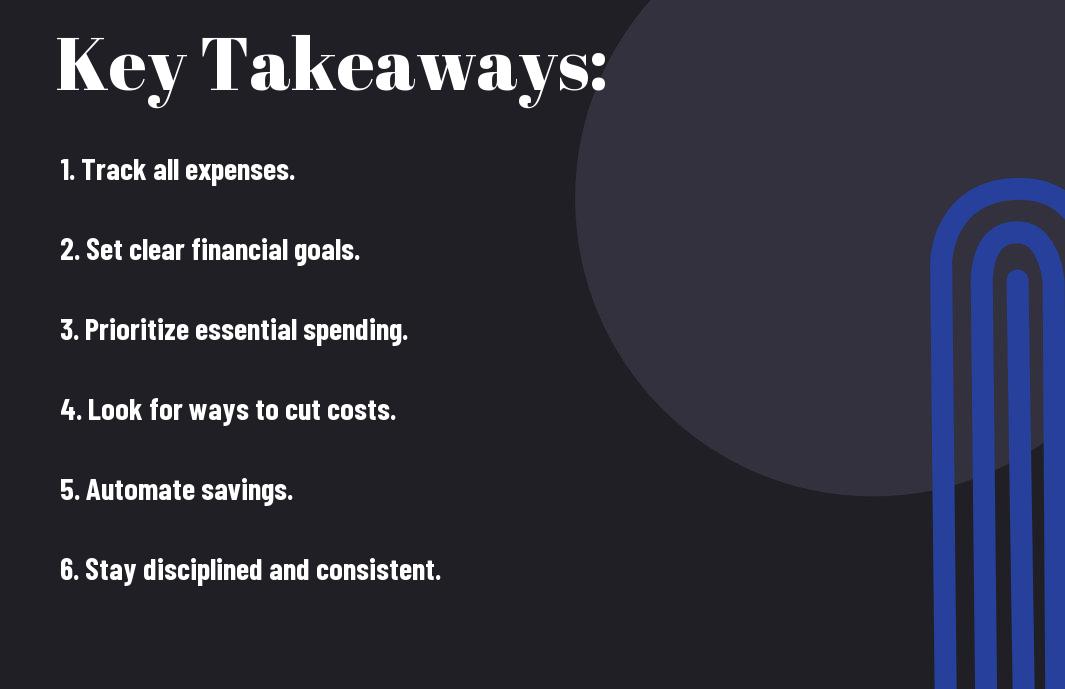
Key Takeaways

  • Automating finances can improve control and reduce financial stress.
  • Setting up direct deposit saves time and eliminates manual banking chores.
  • Automated bill payments help avoid late fees and enhance credit scores.
  • Those who automate their savings tend to contribute more consistently.
  • Financial automation can lead to increased savings of 10-15% of income.
  • It is essential to review automated settings to align with my financial goals.

Understanding Financial Automation

Financial automation uses technology to make managing money easier. It automates my financial tasks, letting me focus on big financial decisions. This approach improves process efficiency, accuracy, and reduces errors.

Defining Financial Automation

Financial automation means using software to handle financial tasks without needing constant human input. It includes automated budgeting, paying bills, and managing investments. Tools like QuickBooks and Mint help me set up routines that cut down on time spent on financial tasks. Many adults in the U.S. struggle to pay bills on time. By automating finances, I can avoid debt and keep my finances stable.

How Financial Automation Works

Financial automation systems work by connecting my bank accounts to software that automates tasks. For example, Zapier connects over 3,000 apps, making financial tasks smooth. I can set up recurring payments, save money, and invest automatically, which gives me peace of mind. This approach saves time and reduces errors by up to 95% in financial records. It makes managing money more efficient and helps me use my resources better. https://www.youtube.com/watch?v=7Ukpp_dAcvo
Benefit Impact
Reduced Manual Tasks 30-40% less manual work time
Cost Savings 25% reduction in operational costs
Enhanced Efficiency 20% increase in operational efficiency
Improved Compliance 30% better compliance rates
Faster Invoice Processing Up to 80% reduction in processing times

Benefits of Automating Your Finances

Financial automation makes managing my money easier every day. It brings a lot of benefits that help me stay disciplined and worry less about money.

Timely Bill Payments and Avoiding Late Fees

Automating payments is a big plus. It helps me pay bills on time, which is good for my credit score and saves me from late fees. I don't have to remember due dates anymore. This way, I can focus on other important things in my life. It's a big relief to know my bills are paid automatically.

Consistent Savings and Investment Contributions

Automated saving is also a key benefit. It moves money from my checking to savings or investments without me having to do it. This helps me save regularly. It also means I'm saving for the future without thinking about it. As my savings grow, I earn more money from interest. This makes my financial future more secure. Managing all my financial accounts in one place is easy with automation. I can check my accounts using mobile apps, making it easy to handle my money anywhere. Automation changes how I manage my money, helping me become more financially independent.

What are the pros and cons of automating your finances?

It's key to know the good and bad of automating finances to make smart money choices. Automation makes things easier, but it's important to watch out for issues that could affect your money health.

Advantages of Automating Finances

One big plus is how efficient it makes things. I can set up automatic payments to pay bills on time, avoiding late fees and keeping my credit score healthy. Getting my paycheck through direct deposit saves me time, too. Plus, putting money into retirement accounts automatically helps me save more, especially with raises. Tools like Empower and YNAB help connect my accounts for better budgeting. This makes reaching my financial goals easier.

Drawbacks of Automated Finances

But, automating finances isn't all good. A big worry is getting hit with overdraft fees if my account doesn't have enough money. I might also miss errors or unauthorized charges since I don't check my accounts as much. Canceling automated payments can be hard, leading to unwanted charges. Also, automating my finances means I might not talk as much with my bank. This can make me feel out of touch with my money situation. advantages of automating finances and drawbacks of automated finances
Advantages Drawbacks
Increased efficiency in managing bills Risk of overdraft fees if funds are low
Timely payments help improve credit score Potential for overlooked errors or fraud
Automatic contributions enhance savings growth Difficulty in canceling set payments
Time savings from direct deposit Reduced personal interaction and oversight

Key Features to Look For in Financial Automation Tools

Choosing the right financial automation tools is key to managing my finances well. I look for tools that offer flexibility and can work with other financial tools. These features make managing money easier and give me insights into my financial health.

Flexibility and Customization

Being able to customize financial tools is important. I like that I can adjust them to fit my financial needs. Tools often have features like:
  • Auto-allocating funds to specific goals.
  • Tracking real-time spending to gain insights into habits.
  • Receiving proactive alerts and reminders for due payments.
Studies show that 80% of people reach their financial goals with automation. Being able to customize tools helps with saving. Users often save 20% more than when they didn't use automation.

Integration with Other Financial Tools

Working with other financial tools makes automation even better. Using automated systems with apps and investment accounts helps me keep a closer eye on my money. For example, 90% of users find tracking their spending in real-time very useful. Also, 95% have avoided late fees by paying bills automatically. This connection between tools helps me stay organized. It cuts down on late payments by 75% for users who use these features. The mix of flexibility and integration is crucial for managing my finances well. With the right tools, I can make the most of automation and stay on track with my financial goals. https://www.youtube.com/watch?v=TZUnzOnI9rc

Conclusion

Automating my finances has changed how I manage money. It lets me focus on what's important. Automation helps me pay bills on time and save money. This way, I can reach my financial goals. But, I must watch my automated accounts closely. Checking my credit card and bank statements often helps avoid problems like overdraft fees. It's important to adjust my payments as my finances change. This keeps me on track with my goals. Choosing the right financial automation tools motivates me to manage my money better. These tools save time and improve my financial health. Every step I take now helps me achieve financial stability for the future.

FAQ

What is financial automation?

Financial automation uses technology to do routine financial tasks on its own. This includes things like paying bills, moving money to savings, and adding to investments.

What are the advantages of automating my finances?

Automating finances has many benefits. It helps me pay bills on time, saving me from late fees. It also makes saving money easier, helping me reach my financial goals. Plus, it lowers the stress of managing money.

Are there any drawbacks to automating my finances?

Yes, there are some downsides. Automating can lead to overdrafts if I set payments when my account is low. It might also mean I don't keep as close an eye on my budget.

How can I start automating my finances?

To begin, pick financial automation tools like budgeting apps and payment platforms. Then, link your accounts and set up regular transactions that fit your financial goals.

What features should I look for in financial automation tools?

Look for tools that offer flexibility and customization. Make sure they work well with other financial tools. And, they should send real-time alerts about your financial activities.

Can automating my finances help improve my credit score?

Yes, automating can help. By paying bills on time, you avoid late fees. This can positively affect your credit score, making it healthier.

How often should I review my automated financial settings?

It's important to check your financial activities often. Adjust your automation settings as needed. This ensures they match your changing financial goals and life situations.
For more insights and detailed guides, visit our website: (https://anthonydoty.com). Start your journey to financial freedom today! 🌟 🚀 Don’t miss out on our free 30-minute consultation to kickstart your financial empowerment journey. [Click here to book now](Links.Anthonydoty.com/s/FREE30). Follow us for more expert tips and join our community of empowered individuals. #FinancialFreedom #WealthBuilding #BudgetingTips #FinancialPlanning #Empowerment #Success #AnthonyDoty https://anthonydoty.com/what-are-the-pros-and-cons-of-automating-your-finances/?feed_id=10289&_unique_id=680e81b0abbb9&utm_source=&utm_medium=admin&utm_campaign=FS%20Poster

Sunday, April 13, 2025

Why High Earners Still Feel Broke: The $100k Illusion

Let’s be honest—earning a six-figure salary should feel like a financial win. Yet, for many, it comes with constant bank account checks, financial stress, and the sinking feeling of wondering where all your money went. Sound familiar? You’re not alone. In fact, over 70% of high-income earners experience financial stress. But why does this happen, and more importantly, how can you fix it? https://youtu.be/Q8GzTAGurxw This phenomenon, which I call the “$100k Illusion,” is more than just bad spending habits. Your brain, habits, and even societal pressures play a significant role. Today, we’ll unpack the hidden traps keeping you financially stuck and share actionable steps to reclaim control over your money. Let’s dive in! Feeling stressed about your finances? You're not alone. Join my FREE 30 Minute Financial Empowerment 5S Session to tackle your financial challenges and regain control. Let's work together to set you on the path to success. Book now at FREE 30 Minute Financial Empowerment 5S Session or contact me at anthony@anthonydoty.com or 940-ANT-DOTY. Let's make your financial goals a reality!

Phase 1: The Lifestyle Inflation Trap

Ever notice how every raise seems to vanish into thin air? You finally cross the six-figure mark, but suddenly, there’s a nicer car in the driveway, fancier vacations on the calendar, and premium everything in your life. Yet, your finances feel just as tight as before. This is called lifestyle inflation. Here’s how it works: as your income increases, your spending rises to match it—often without you realizing it. Research shows that most people increase their spending by 50-70% within two years of a major raise. It’s like getting a bigger bucket to hold water, only to poke even more holes in the bottom of it! Why does this happen?
  • Upgrading your home often comes with a bigger mortgage.
  • Buying a better car feels like a reward for hard work.
  • Conveniences you never needed before—like premium subscriptions—suddenly become “essentials.”
The worst part? Your brain quickly adjusts to these upgrades, making them feel “normal” within months, while your expenses remain locked in. To break free, review your last 10 purchases. Highlight any that increased after your last raise and ask yourself, “Did this upgrade improve my life, or was it just a habit?” Are Your Beliefs Secretly Making Your Life Worse

Phase 2: Money Scripts from Childhood

Your financial struggles might not even come from your current habits—but from beliefs ingrained in your childhood. These “money scripts” are subconscious patterns shaped by what you saw growing up. They can control your financial reality, even when you’re earning six figures. For example:
  • If your parents struggled financially, you might feel guilty about having wealth.
  • If finances were a source of stress growing up, you might avoid dealing with money altogether.
  • If success was tied to lavish spending in your family, you might overspend to feel “worthy.”
These scripts run on autopilot, sabotaging your financial progress. The good news? Once you recognize them, you can rewrite them. Reflect on a childhood memory about money. What belief did it teach you? Then ask yourself, “Is this belief helping or hurting me today?” Feeling stressed about your finances? You're not alone. Join my FREE 30 Minute Financial Empowerment 5S Session to tackle your financial challenges and regain control. Let's work together to set you on the path to success. Book now at FREE 30 Minute Financial Empowerment 5S Session or contact me at anthony@anthonydoty.com or 940-ANT-DOTY. Let's make your financial goals a reality!

Phase 3: Social Media and the Comparison Trap

Ever scrolled through Instagram and suddenly felt like you’re falling behind in life? That’s social media-induced financial anxiety, and it’s very real. Your friend is on a yacht, your coworker just bought a dream home, and you’re left wondering if you’re doing enough. But here’s the truth: that dream house might come with a nightmare mortgage, and that vacation could be maxing out a credit card. High-income earners often fall into this trap because they spend time with people who also earn more, making luxuries feel like necessities. The quick fix? Unfollow five accounts that trigger financial anxiety today. Then, focus on tracking your own progress instead of comparing yourself to someone else’s highlight reel.

Phase 4: Breaking Free—How to Actually Build Wealth

Now that we’ve identified the traps, let’s talk about breaking free and building real wealth. Financial freedom isn’t about earning more; it’s about keeping more and making it work for you. Here’s how:
  • Automate Your Savings: Set up an automatic transfer to a savings or investment account right after payday. Even $10 a month can build momentum.
  • Set a Baseline Lifestyle: Decide on a standard of living you’re happy with and keep it consistent, even as your income grows. Invest the extra instead.
  • Use the 1% Rule: Only increase your spending by 1% for every 10% raise. This ensures your income grows faster than your expenses.
For a quick win, downgrade one expense this week—whether it’s a subscription or a dining habit—and redirect that money into savings or investments. [embed]https://youtu.be/mVbDjC-lY6k[/embed]

Conclusion

Feeling financially stuck, even with a six-figure salary, isn’t uncommon—but it’s fixable. The culprits? Lifestyle inflation, childhood money scripts, and social comparison. The solutions? Automate your savings, stick to a baseline lifestyle, and adopt the 1% rule for smart upgrades. Remember, real wealth comes from keeping expenses low, investing the difference, and ignoring the noise of comparison. Are you ready to make your money work for you? 💵 Drop a money sign emoji in the comments if you’ve experienced a disappearing raise, and let’s build a future of financial freedom together! Feeling stressed about your finances? You're not alone. Join my FREE 30 Minute Financial Empowerment 5S Session to tackle your financial challenges and regain control. Let's work together to set you on the path to success. Book now at FREE 30 Minute Financial Empowerment 5S Session or contact me at anthony@anthonydoty.com or 940-ANT-DOTY. Let's make your financial goals a reality! For more insights and detailed guides, visit our website: (https://anthonydoty.com). Start your journey to financial freedom today! 🌟 🚀 Don’t miss out on our free 30-minute consultation to kickstart your financial empowerment journey. [Click here to book now](Links.Anthonydoty.com/s/FREE30). Follow us for more expert tips and join our community of empowered individuals. #FinancialFreedom #WealthBuilding #BudgetingTips #FinancialPlanning #Empowerment #Success #AnthonyDoty https://anthonydoty.com/100k-illusion-high-earners-broke/?feed_id=10093&_unique_id=67fc0dcd3f9c5&utm_source=&utm_medium=admin&utm_campaign=FS%20Poster

Wednesday, April 9, 2025

What are the best ways to automate money transfers between accounts?

Did you know that about 80% of ACH payments settle in one day or less? Automating money transfers can make managing your finances easier. It's key when life gets busy to simplify how your money moves.

By learning the best ways to automate money transfers, you can pay bills on time and save money easily. Whether it's for regular bills or saving, these methods offer peace of mind. They also help you prepare for the future.

Starting your journey to financial empowerment is easy with automated solutions. Join my FREE 30 Minute Financial Empowerment 5S Session to tackle your financial challenges together!

Key Takeaways

  • Automating money transfers can help manage finances effectively.
  • Around 80% of ACH payments settle in one banking day or less.
  • Setting up automatic transfers may take 7 to 10 days.
  • Recurring transfers assist in regular savings contributions.
  • Multiple online money transfer methods are available for convenience.
  • Understanding various limits on automatic transfers is essential.
  • Participating in financial empowerment sessions can enhance financial literacy.

Understanding Automatic Transfers

Automatic transfers are key to managing my money well. They let me set up regular payments and savings without the hassle. It's important to know how they work to use them effectively.

Definition of Automatic Transfers

Automatic transfers are when banks move money between accounts on their own. They help keep payments steady and save money automatically. This makes managing money easier and helps me save and spend wisely.

How Automatic Transfers Work

These transfers happen on set dates, like every month or every two weeks. For example, I can have a part of my paycheck go straight to savings. This helps build an emergency fund and grows my savings through electronic transfers.

I can adjust how much and how often I transfer money with most banks. This flexibility is great for my budget. Plus, I can earn more on my savings with high APY rates. Some top choices include:

  • Weekly, bi-weekly, or monthly transfers
  • Payroll deductions for savings or retirement plans
  • Money-saving apps that round up spare change

https://www.youtube.com/watch?v=QeZfYzUJ7xU

Automatic transfers make saving easy and help me grow my savings. I can move money from checking to savings easily. This way, my money works for me and I feel secure. Knowing how they work helps me manage my money better.

What are the best ways to automate money transfers between accounts?

Automating money transfers can make managing my finances easier. It helps me keep track of my money and saves time. There are two main ways to do this: setting up automatic transfers for bills and savings, and linking accounts across different banks.

Recurring Transfers for Bills and Savings

Setting up automatic transfers for bills and savings is a smart move. I can move money from my checking to a savings account automatically every month. This way, I build an emergency fund and avoid late fees.

Some savings accounts offer rates much higher than average. Using this method, I can earn more interest on my savings.

Linking Accounts Across Different Banks

Linking accounts across banks is another good option. Online banks offer easy ways to transfer money, like ACH or wire transfers. ACH transfers take a few days, but wire transfers are faster but cost more.

By managing these transfers well, I can improve my cash flow and reach my savings goals.

efficient fund transfer techniques
Transfer Method Speed Fees
ACH Transfer 2-3 business days Generally low
Same-Day ACH Same day (fee applies) Moderate
Wire Transfer Instant High
Zelle Instant None
PayPal Instant Varies
Venmo Instant None

Using these methods helps me save money and manage my finances better. It lets me focus on my financial goals.

Setting Up Automatic Transfers

Setting up automatic transfers makes managing my money easier. It lets me save money without hassle and pay bills on time. This guide will walk me through setting it up and what to think about.

Step-by-Step Guide to Setup

To start, I log into my online banking account. Here's what I do next:

  1. Select the option for automatic transfers in my account.
  2. Choose the source account from which funds will be withdrawn.
  3. Select the destination account where the funds will be deposited.
  4. Enter the transfer amount I wish to move regularly.
  5. Schedule the frequency of the transfers, such as weekly, monthly, or bi-weekly.
  6. Review and confirm the setup to ensure accuracy.

Using online money transfer methods makes this easy. It's important to check my account balance often to avoid overdraft fees.

Considerations Before Setting Up

Before setting up automatic transfers, I need to think about a few things:

  • Funding Sufficiency: It's key to make sure my account has enough money for transfers.
  • Transfer Timing: Knowing how weekends and holidays affect when transfers happen is important for planning.
  • Account Limits: Knowing about transaction limits and fees from my bank helps avoid surprises.
  • Emergency Funds: Experts say to keep three to six months of expenses in an emergency fund for safety.
  • Secured Solutions: Choosing secure money transfer options is crucial to keep my money safe.

https://www.youtube.com/watch?v=UNsztW6Q_-k

By following these steps and considering these points, I can set up automatic transfers that help me save and pay bills on time. This way, I don't have to watch over my money all the time.

Online Money Transfer Methods

Choosing the right way to send money can really help with managing money. There are many options, from digital banking to third-party services. These options make sending money easy and efficient.

Popular Digital Banking Solutions

Digital banking has made sending money easier. Zelle, Venmo, and PayPal are top choices for sending and getting money. Zelle is in many bank apps and doesn't charge for transfers. Venmo lets you send more money after verifying your identity. PayPal is great for sending money in the U.S. and abroad, but watch out for fees.

Third-Party Transfer Services

Third-party services offer more ways to send money. Western Union, Revolut, and Wise are good for sending a lot of money, even across borders. Western Union sends money to over 200 countries, but fees can change. Revolut and Wise offer good rates for sending money abroad, often cheaper than banks.

Service Fees Transfer Limit Notes
Zelle No fees (may vary by bank) $2,500 to $5,000 daily Fast and integrated into many banking apps
Venmo No fee for bank transfers, 3% for credit card $60,000 weekly (after verification) Popular for social payments
PayPal 2.9% + $0.30 Up to $3,000 per transaction High acceptance for both domestic and international
Western Union Varies ($12 for rapid, $8 for next-day) Varies by service Good for international transfers
Revolut Competitive rates Varies by account level Supports multiple currencies
Wise Low fees, transparent pricing Varies Ideal for international transfers

Ensuring Security in Automated Transfers

Security is key when we automate money transfers. Keeping our financial info safe is crucial as we do more online transactions. Using strong consumer protection helps make automated transfers safer and more trustworthy.

Consumer Protection Measures

In the U.S., laws like the Electronic Fund Transfer Act protect us. They keep us safe from unauthorized transactions with secure money transfers. Knowing my rights makes me feel in control when I manage my automated transfers. This way, I can quickly fix any issues.

Best Practices for Secure Transfers

Following best practices for secure transfers lowers the risk of security breaches. Here are steps I take:

  • Use unique, strong passwords for my accounts to prevent unauthorized access.
  • Enable two-factor authentication for extra security in my online banking and payments.
  • Regularly monitor my accounts to catch any odd activity early.
  • Choose reputable financial institutions for transactions, making sure they have strong security.
  • Stay informed about my bank's security policies to know the risks of automated transfers.

By following these tips, I can safely use automated payments. I know how to keep my financial health secure.

Conclusion

Learning to automate money transfers is key to better financial management. It helps me pay bills on time and save money easily. With digital banking options, like automatic IRA contributions up to $6,000 a year, saving becomes a simple part of my financial plan.

Also, having an emergency fund for three to six months of expenses gives me peace of mind. Automatic transfers from my spending account to savings make saving for emergencies or big goals easy. This way, I'm building a safety net while getting perks like lower interest rates from lenders for automatic payments.

Using budgeting apps and online savings accounts makes tracking my finances easier. Automating small savings each month helps me stay disciplined and stable financially. If you want to improve your finances, consider personalized financial planning sessions to help you reach your goals.

FAQ

What are the best ways to automate money transfers between accounts?

The top ways to automate money transfers include setting up regular transfers for bills and savings. Linking accounts across different banks is also a good idea. Using trusted online money transfer methods helps too. These methods make managing my money easier and keep me on budget.

How do automatic transfers work?

Automatic transfers move money between my accounts at set times without me having to do anything. I can set them up online through my bank. I just pick the accounts and how often I want the transfers to happen.

What should I consider before setting up automatic transfers?

Before starting automatic transfers, I check if I have enough money in the account. I also look into any limits on transfers and how they work, especially on weekends or holidays.

What are some popular digital banking solutions for automating transfers?

Apps like Venmo, PayPal, and Zelle are popular for digital banking. They make sending money to others easy and help me automate my transfers.

How can I ensure the security of my automated transfers?

To keep my transfers safe, I use strong, unique passwords and two-factor authentication. I also watch my accounts for anything odd. Knowing about laws like the Electronic Fund Transfer Act helps me feel secure.

Are there fees associated with automatic transfer services?

Yes, some banks charge for certain transfers or have limits on free transactions. It's important for me to check my bank's fees and any third-party services I use for transfers.

For more insights and detailed guides, visit our website: (https://anthonydoty.com). Start your journey to financial freedom today! 🌟 🚀 Don’t miss out on our free 30-minute consultation to kickstart your financial empowerment journey. [Click here to book now](Links.Anthonydoty.com/s/FREE30). Follow us for more expert tips and join our community of empowered individuals. #FinancialFreedom #WealthBuilding #BudgetingTips #FinancialPlanning #Empowerment #Success #AnthonyDoty https://anthonydoty.com/what-are-the-best-ways-to-automate-money-transfers-between-accounts/?feed_id=10037&_unique_id=67f6c6a35c218&utm_source=&utm_medium=admin&utm_campaign=FS%20Poster

Tuesday, April 8, 2025

Personal Budgeting Tips - How to Stretch Your Dollar and Save More

Conjuring a solid financial plan can be a daunting task, but with the right strategies and discipline, you can effectively stretch your dollar and save more money each month. As I have learned through my own experiences, budgeting is the key to financial freedom and stability. By making a few simple changes and implementing some key habits, I have been able to significantly increase my savings and build a more secure future. In this blog post, I will share some valuable personal budgeting tips that have helped me achieve financial success, and ultimately, live a more stress-free and enjoyable life. From creating a budget to trimming unnecessary expenses, you will learn practical strategies to take control of your finances and achieve your financial goals.

Key Takeaways:

  • Create a Budget: Start by tracking your income and expenses to create a realistic budget that allows you to save more.
  • Limit Unnecessary Expenses: Cut back on non-essential items like dining out or subscription services to free up more money for savings.
  • Set Savings Goals: Determine specific financial goals and consistently set aside a portion of your income to reach them.
  • Use Cash Envelopes: Allocate a portion of your budget to different categories and use cash envelopes to prevent overspending.
  • Shop Smartly: Look for sales, use coupons, and compare prices to get the best deals on groceries and other purchases.
  • Avoid Impulse Purchases: Think carefully before making a purchase and avoid impulse buying to stick to your budget and save more money.
  • Review and Adjust Regularly: Regularly review your budget and adjust your spending as needed to stay on track with your savings goals.

Setting Up Your Budget

While personal budgeting may seem overwhelming, it's an essential tool for financial success. One of the first steps in setting up your budget is to stretch your paycheck further. By maximizing your income, you can make the most of every dollar. Bankrate.com offers 8 ways to stretch your paycheck further, including tips on saving money, reducing expenses, and investing wisely.

Identifying Income Sources

When setting up your budget, it's important to identify all your income sources. This may include your salary, bonuses, freelance work, rental income, or any other sources of funds. By understanding exactly how much money you have coming in each month, you can create a realistic budget that aligns with your financial situation. Remember to consider both regular and irregular income streams to get an accurate picture of your cash flow.

Categorizing Expenditures

Equally important is categorizing your expenditures. This involves breaking down your spending into different categories such as housing, utilities, groceries, transportation, healthcare, and entertainment. By categorizing your expenditures, you can clearly see where your money is going each month and identify any areas where you may need to cut back. This will help you prioritize your spending and identify opportunities to save more effectively.

Effective Budgeting Techniques

Despite the perception that budgeting is restrictive and limiting, it can actually be empowering and liberating when done effectively. One of the most important budgeting techniques is to have a clear understanding of your income and expenses. By tracking your spending and identifying areas where you can cut back, you can create a realistic budget that allows you to live within your means while still achieving your financial goals. [embed]https://youtu.be/rT7XPIrQcPg[/embed]

The 50/30/20 Rule for Financial Planning

The 50/30/20 rule is a popular and effective budgeting technique that can help you allocate your income wisely. According to this rule, 50% of your income should go towards essentials such as rent/mortgage, utilities, groceries, and transportation. 30% can be used for discretionary spending such as dining out, entertainment, and luxury items. The remaining 20% should be allocated towards savings and debt repayment. Following this rule can help you maintain a balanced budget while still having some flexibility for non-essential expenses.

Utilizing Budgeting Tools and Apps

With the advancement of technology, there are numerous budgeting tools and apps available to help you manage your finances effectively. These tools can help you track your spending, set savings goals, and even automate bill payments. By using these resources, you can gain greater insight into your financial habits and identify areas where you can save more. Additionally, some apps also offer features such as real-time transaction tracking and personalized budgeting recommendations, making it easier to stay on top of your finances.

Saving Strategies

However, once you have a budget in place, it's important to implement saving strategies to help you reach your financial goals. One of the best ways to do this is by following some simple budgeting methods outlined in this 5 Simple Budgeting Methods To Help You Live Your Best Life guide.

Cutting Unnecessary Expenses

When it comes to cutting unnecessary expenses, the key is to identify where your money is going and determine what can be eliminated. This could mean canceling unused subscriptions, reducing dining out, or finding more affordable alternatives for your regular expenses. By reassessing your spending habits, I was able to identify several areas where I was overspending and make significant cuts, which ultimately helped me save more money each month.

Smart Shopping and Utilizing Discounts

Another important saving strategy is to be a smart shopper and utilize discounts whenever possible. I found that by comparing prices, using coupons, and taking advantage of loyalty programs, I was able to save a significant amount on my regular purchases. Additionally, I learned to wait for sales and promotions before making larger purchases, which allowed me to stretch my dollar further. These small changes in my shopping habits made a big difference in my overall savings.

Overcoming Common Budgeting Challenges

To effectively manage a personal budget, you need to be prepared to face common challenges that may arise. These challenges can include unexpected costs, difficulty sticking to a budget, and the need to adapt your budget as your financial situation changes. By understanding these challenges and developing strategies to overcome them, you can stay on track with your budgeting goals and achieve financial success.

Managing Unexpected Costs

When unexpected costs arise, it can throw off your budget and create financial stress. To manage unexpected costs, it's important to have an emergency fund in place. I recommend setting aside a portion of your income each month into a separate savings account specifically for unexpected expenses. This way, you can avoid dipping into your regular budget and stay on track with your financial goals.

Staying Motivated and Adapting Your Budget

Staying motivated and adapting your budget are crucial aspects of successful personal budgeting. I find that regularly reviewing my financial goals and tracking my progress keeps me motivated to stick to my budget. When unexpected expenses arise or my financial situation changes, I make adjustments to my budget to ensure I stay on track. By staying proactive and flexible, you can overcome common budgeting challenges and achieve long-term financial stability.

The Importance of Personal Budgeting

The key to successfully stretching your dollar and saving more lies in disciplined personal budgeting. By following the 5 tips outlined in the article 5 Tips to Stretch Your Money as Everyday Expenses Increase, you can take control of your finances and make the most of your income. I can attest that prioritizing needs over wants, tracking expenses, and creating a realistic budget has helped me to achieve my financial goals while still enjoying a comfortable lifestyle. It's important to consistently review and adjust your budget as your financial situation changes, ultimately allowing you to save more and worry less about money. By following these tips, you can take the first step towards financial security and peace of mind.

Personal Budgeting Tips - How to Stretch Your Dollar and Save More

Q: Why is personal budgeting important?

A: Personal budgeting is important as it allows you to track your expenses, prioritize spending, and avoid unnecessary debt. It helps you plan for the future and achieve financial goals.

Q: What are some effective personal budgeting tips?

A: Some effective personal budgeting tips include tracking all expenses, creating a realistic budget, prioritizing needs over wants, and setting financial goals.

Q: How can I stretch my dollar and save more money?

A: You can stretch your dollar and save more money by cutting back on non-essential expenses, using coupons and discounts, shopping for deals, and avoiding impulse purchases.

Q: What are some common budgeting mistakes to avoid?

A: Common budgeting mistakes to avoid include underestimating expenses, not tracking spending, failing to adjust the budget, and not having an emergency fund.

Q: Should I use cash or credit cards for budgeting?

A: Using cash for budgeting can help you limit spending, but using credit cards responsibly can also offer perks such as cash back or rewards. It ultimately depends on your financial discipline.

Q: How can I stay motivated to stick to my budget?

A: You can stay motivated to stick to your budget by setting achievable financial goals, rewarding yourself for staying on track, and visualizing the long-term benefits of budgeting.

Q: What resources can help with personal budgeting?

A: Resources that can help with personal budgeting include budgeting apps, financial literacy websites, books on personal finance, and seeking advice from financial professionals.  

Related

Effective Personal Budgeting Techniques for Sustainable Financial Health The Best Personal Budgeting Templates to Organize Your Finances Mastering Budgeting for Specific Goals: Your Key to Success For more insights and detailed guides, visit our website: (https://anthonydoty.com). Start your journey to financial freedom today! 🌟 🚀 Don’t miss out on our free 30-minute consultation to kickstart your financial empowerment journey. [Click here to book now](Links.Anthonydoty.com/s/FREE30). Follow us for more expert tips and join our community of empowered individuals. #FinancialFreedom #WealthBuilding #BudgetingTips #FinancialPlanning #Empowerment #Success #AnthonyDoty https://anthonydoty.com/tips-for-stretching-your-dollar-with-budgeting/?feed_id=10023&_unique_id=67f5769d58103&utm_source=&utm_medium=admin&utm_campaign=FS%20Poster

Saturday, April 5, 2025

Anthony Doty Methodology: Success Tactics for Financial Freedom

Did you know that 70% of American families experience financial stress? This overwhelming feeling can affect everything from daily decisions to long-term goals. But here’s the good news: a clear, measurable financial plan can improve outcomes by 60%1.

If you’re feeling stuck or overwhelmed, you’re not alone. Many people struggle with money challenges, but there’s a way to regain control. By focusing on practical strategies and mindset shifts, you can start building a brighter financial future.

One of the most effective ways to kickstart this journey is by joining my FREE 30 Minute Financial Empowerment 5S Session. This session is designed to help you tackle your financial challenges head-on and create a roadmap tailored to your needs.

In this article, we’ll explore how to transform your financial situation with actionable advice and real-life examples. Whether you’re looking to save more, reduce stress, or achieve long-term goals, these proven strategies can make a real difference.

Key Takeaways

  • 70% of American families face financial stress, but a clear plan can improve outcomes1.
  • Practical strategies and mindset shifts are key to financial success.
  • Join the FREE 30 Minute Financial Empowerment 5S Session to start your journey.
  • Setting measurable goals increases accountability and clarity in financial planning.
  • Regularly reviewing progress helps you stay on track and make informed decisions.

Introduction to Financial Empowerment

Financial stress can feel overwhelming, but you’re not alone in this journey. Many families face similar challenges, and the good news is that there’s a way to regain control. Financial empowerment is about understanding your situation, making informed decisions, and taking actionable steps toward a brighter future.

Understanding Financial Stress

Financial stress often stems from uncertainty—whether it’s paying bills, saving for emergencies, or planning for the future. Nearly 70% of American families experience this stress, and it can take a toll on mental and physical health2. Common signs include sleepless nights, constant worry, and feeling stuck in a cycle of debt.

Understanding the root causes is the first step. For many, it’s a lack of savings or unexpected expenses. For others, it’s the need for better financial education. Recognizing these challenges helps you address them effectively.

A Path to Reclaiming Control

Taking control of your finances starts with small, manageable steps. Here’s how you can begin:

  • Set clear goals: Define what financial freedom means to you.
  • Track your spending: Identify areas where you can save.
  • Build an emergency fund: Even small savings can provide peace of mind.

As you take these steps, you’ll start to see the value of planning and consistency. For example, creating a budget can help you prioritize expenses and reduce unnecessary spending.

"The best way to predict your future is to create it."

Peter Drucker

Reclaiming control isn’t just about money—it’s about reducing stress and gaining confidence. By understanding your financial challenges and taking proactive steps, you can create a more secure and fulfilling life.

Common Causes of Financial Stress Practical Solutions
Lack of savings Start an emergency fund
High debt Create a debt repayment plan
Uncertain income Diversify income sources

For more insights and personalized guidance, check out these coaching reviews. Remember, every step you take brings you closer to financial empowerment.

Understanding the Impact of Financial Stress

Financial stress doesn’t just drain your wallet—it impacts every aspect of your life. From sleepless nights to strained relationships, the effects can be overwhelming. Studies show that financial anxiety can lead to significant personal and professional setbacks, reducing overall life satisfaction if not addressed3.

The Cost of Financial Anxiety

Living with constant financial worry comes with hidden costs. Even a minute of anxiety can snowball into larger challenges, like missed opportunities or poor decision-making. For example, financial stress can harm work productivity, leading to lower performance and even job loss3.

It’s not just about money—it’s about your well-being. Financial stress can strain relationships, create tension at home, and even affect your mental health. Recognizing these triggers is the first step toward finding solutions.

Real-Life Implications

Consider this: a single unexpected expense can derail your budget for months. Without an emergency fund, you might rely on credit cards, leading to debt that’s hard to escape. This cycle can feel endless, but it doesn’t have to be.

Take Sarah, for example. She struggled with financial stress for years, which affected her marriage and career. But by taking small, consistent steps, she regained control. Her story is a reminder that change is possible.

Every minute you spend worrying is a minute you could use to take action. Reflect on your financial triggers and consider strategies for alleviation. Whether it’s creating a budget or seeking professional help, each step brings you closer to stability.

"Financial peace isn’t the acquisition of stuff. It’s learning to live with less than you make."

Dave Ramsey

Understanding the impact of financial stress is the first insight toward reclaiming your life. By addressing these challenges head-on, you can create a brighter, more secure future. Ready to take the next step? Join our upcoming session to explore practical solutions tailored to your needs.

Discovering the FREE 30 Minute Financial Empowerment 5S Session

What if you could transform your financial future in just 30 minutes? The FREE 30 Minute Financial Empowerment 5S Session is designed to help you tackle your financial challenges head-on. This session is a practical tool to regain control and start on the path to success.

During this session, you’ll gain personalized insights into your current financial situation. You’ll also receive actionable tips to improve your budgeting and saving strategies. The goal is to help you create a clear plan for your financial future4.

Session Overview and Benefits

This session is unique because it focuses on both practical strategies and emotional support. Here’s what you can expect:

  • Personalized Insights: Understand your financial strengths and areas for improvement.
  • Actionable Tips: Learn how to create a budget and save effectively.
  • Emotional Support: Gain confidence and reduce financial stress.

By the end of the session, you’ll have a clear roadmap to achieve your financial goals. This experience can foster a mindset change, helping you see your finances in a new light.

How to Book Your Session

Booking your session is simple and risk-free. Here’s how to get started:

  1. Email anthony@anthonydoty.com to schedule your session.
  2. Call 940-ANT-DOTY for immediate assistance.
  3. Prepare any questions or concerns you’d like to address during the session.

This session is completely free, making it accessible to everyone. It’s the first step toward a brighter financial future.

Key Benefits How It Helps
Personalized Insights Understand your financial situation clearly
Actionable Tips Create a budget and save effectively
Emotional Support Reduce stress and build confidence

Take the first step today and discover how this session can be the tool you need to change your financial trajectory. Join the FREE 30 Minute Financial Empowerment 5S Session and start your journey toward financial freedom.

Cultivating Personal Growth and a Positive Mindset

Small shifts in your thinking can lead to big changes in your finances. Your mindset is more than just optimism—it’s a powerful tool for achieving financial freedom. Studies show that individuals with a growth mindset are 35% more likely to overcome financial challenges and reach their goals5.

https://www.youtube.com/watch?v=6wgnsJylNCw

Mindset Transformation Techniques

Shifting from a scarcity to an abundance mindset is a game-changer. Start by practicing gratitude daily. Write down three things you’re grateful for—this simple act can enhance your perception of life’s richness5.

Another effective technique is daily affirmations. Repeating positive statements about your financial goals can help solidify a wealth mindset. These small changes in thought can lead to significant improvements in decision-making and goal achievement.

Steps to Increase Self-Confidence

Building self-confidence is essential for financial empowerment. Begin by identifying your strengths and celebrating small victories. This practice keeps you motivated and reinforces progress6.

Engage in activities that challenge you and push you out of your comfort zone. Whether it’s learning a new skill or taking on a leadership role, these experiences build resilience and internal strength.

Actionable Steps Benefits
Practice gratitude daily Shifts focus to abundance and positivity
Use daily affirmations Reinforces a wealth mindset
Celebrate small wins Boosts motivation and confidence

By integrating these personal growth methods into your financial plan, you’ll not only improve your money management but also transform your overall outlook. Remember, financial empowerment starts with the right mindset.

Building a Sustainable Budget and Financial Strategy

Creating a budget that works for you is the first step toward financial freedom. It’s not just about tracking expenses—it’s about gaining control and building a foundation for long-term security. With the right tools and strategies, you can reduce stress and achieve your financial goals7.

Essential Budgeting Tips

Start by allocating your income wisely. The 50/30/20 rule is a simple yet effective method: 50% for needs, 30% for wants, and 20% for savings and debt repayment7. This approach ensures you cover essentials while still enjoying life and saving for the future.

Tracking your spending is another key step. Use budgeting apps or spreadsheets to monitor where your money goes. This helps identify areas where you can cut back and save more8.

Automating savings can make a big difference. Set up automatic transfers to your savings account each month. This small effort ensures consistent saving habits and builds your emergency fund over time7.

Strategies for Long-Term Savings

Building an emergency fund is crucial for financial security. Aim to save three to six months’ worth of living expenses. This safety net protects you during unexpected events, like job loss or medical emergencies7.

Investing is another powerful tool for long-term growth. Start small, with consistent contributions to retirement accounts or low-risk investments. Over time, these contributions can grow significantly, helping you achieve your financial goals8.

Regularly reviewing your budget is essential. Life changes, and so should your financial plan. A clear takeaway from each review helps you adapt and stay on track7.

Budgeting Strategy Benefits
50/30/20 Rule Balances needs, wants, and savings
Automated Savings Ensures consistent saving habits
Emergency Fund Provides financial security

Commitment to financial empowerment turns budgeting into a powerful tool for future security. With these strategies, you can take control of your finances and build a brighter future.

anthony doty methodology success tactics Explained

Taking control of your finances starts with understanding the principles that drive real results. By focusing on actionable strategies, you can achieve both short-term wins and long-term security. Let’s explore the core principles that make these techniques effective.

Core Principles and Strategies

Setting measurable financial goals is the foundation of success. When you define clear objectives, you create a roadmap to track progress. Studies show that individuals with specific goals are 80% more likely to achieve them9.

Another key principle is consistency. Small, daily decisions add up over time. For example, tracking your spending can help you identify areas to save, leading to a 25% reduction in unnecessary expenses10.

How Techniques Drive Success

Every decision you make with your money contributes to your larger goal of financial freedom. Whether it’s automating savings or cutting back on dining out, these actions build momentum. Families who implement structured plans see a 60% improvement in financial outcomes11.

Real-life success stories highlight the power of these techniques. Take Sarah, for instance. By setting a clear goal and sticking to a budget, she paid off $10,000 in debt within a year. Her story shows that change is possible with the right approach.

"Financial freedom isn’t about luck—it’s about making intentional choices every day."

Understanding these principles is the first step to taking full control of your money. By focusing on actionable strategies and measurable goals, you can create a brighter financial future. Ready to start? Let’s dive deeper into the tools and techniques that can help you succeed.

Leveraging Lean Methodologies for Financial Process Improvement

Streamlining your finances doesn’t have to be overwhelming—lean methodologies can simplify the process. By focusing on eliminating waste and maximizing efficiency, you can transform your financial planning into a more effective and stress-free experience12.

Eliminating Waste in Financial Planning

Lean methodologies are all about identifying and cutting out unnecessary expenses. For example, by tracking your spending, you can spot areas where money is being wasted. This approach can lead to a 25-35% reduction in financial waste, freeing up resources for more important goals12.

One effective technique is value stream mapping. This tool helps you visualize your financial processes and pinpoint inefficiencies. By focusing on value-added activities, you can optimize your budget and achieve better results13.

Tools for Streamlining Money Management

There are several tools available to help you manage your finances more efficiently. Budgeting apps, for instance, can automate tracking and provide real-time insights into your spending habits. This not only saves time but also improves accuracy, reducing errors caused by manual intervention13.

Another powerful tool is the 5 Whys technique. By asking "why" repeatedly, you can uncover the root causes of financial issues and address them effectively. This method has been shown to reduce recurring problems by up to 40%12.

"Efficiency is doing things right; effectiveness is doing the right things."

Peter Drucker

Continuous improvement is key to maintaining financial health. Regularly reviewing your financial processes ensures they remain aligned with your goals. This practice not only enhances efficiency but also boosts customer satisfaction, whether it’s within your household or business12.

By adopting lean methodologies, you can create a more streamlined and effective financial strategy. Start today and see how small changes can lead to significant improvement in your financial well-being.

Implementing a Growth Mindset in Your Financial Journey

Your financial journey can transform when you embrace a mindset focused on growth and resilience. A positive outlook not only helps you overcome challenges but also turns obstacles into opportunities for learning and improvement. Studies show that adopting a growth mindset can increase resilience and improve financial development, leading to more effective management of finances in challenging times14.

growth mindset

Overcoming Financial Barriers

Financial barriers often stem from limiting beliefs and fear of failure. For example, approximately 70% of people believe they do not deserve to be wealthy due to these beliefs14. To overcome this, start by identifying your mental blocks. Reflect on past experiences and recognize how they shape your current financial decisions.

Actionable strategies include setting SMART financial goals, which increase the likelihood of achieving them by 40%14. Break down larger goals into smaller, manageable steps. Celebrate each milestone to build momentum and confidence.

Building Resilience for Success

Resilience is key to navigating financial ups and downs. One way to build it is by practicing gratitude for your financial resources, which can increase overall financial satisfaction by 30%14. This simple exercise shifts your focus from scarcity to abundance, fostering a wealth mindset.

Another effective technique is diversifying income sources. Research shows that this can increase overall financial stability by 25%14. By creating multiple streams of income, you reduce dependency on a single source and enhance your financial security.

"The only limit to your financial growth is the mindset you choose to adopt."

Common Financial Barriers Strategies to Overcome
Limiting beliefs Practice daily affirmations
Fear of failure Set SMART financial goals
Lack of diversification Create multiple income streams

Every financial hurdle is an opportunity for growth. By cultivating a positive mindset and taking proactive steps, you can turn challenges into stepping stones toward a brighter financial future. Start today and see how small shifts in perspective can lead to lasting change.

Effective Tools and Strategies for Managing Money

Managing your money effectively doesn’t have to be complicated—with the right tools, you can simplify the process and stay on track. Research shows that using automated tools can boost savings rates significantly and reduce human error in expense tracking15. Let’s explore how technology and smart planning can help you achieve financial empowerment.

Automated Savings Plans

Automating your savings is one of the easiest ways to build wealth over time. By setting up automatic transfers to your savings account, you ensure consistent saving habits without manual effort15. Popular platforms like Acorns and Digit make it simple to save small amounts regularly, which can add up significantly over time.

For example, Digit analyzes your spending habits and automatically transfers small amounts to your savings. This approach not only boosts your savings but also reduces the stress of manually managing your finances16.

Tracking Expenses and Investments

Tracking your expenses is crucial for understanding where your money goes. Budgeting apps like Mint and YNAB (You Need A Budget) provide real-time insights into your spending habits15. These tools categorize your expenses, helping you identify areas where you can cut back and save more.

When it comes to investments, platforms like Robinhood and Betterment simplify the process. They allow you to diversify your portfolio with as little as $1,000, ensuring variety and risk management16. Dollar-cost averaging, a strategy recommended by experts, can further reduce the impact of market volatility15.

Tool Key Feature Benefit
Acorns Automated savings Boosts savings effortlessly
Mint Expense tracking Provides real-time insights
Robinhood Investment platform Simplifies portfolio diversification

Integrating these tools into your daily routine frees up mental energy for bigger strategic decisions. By automating savings and tracking expenses, you can focus on achieving your long-term financial goals. For more insights, check out these effective money management strategies.

Start today and see how small changes can lead to significant empowerment. With the right tools, you can take control of your finances and build a brighter future.

Mindfulness Practices and Self-Improvement for Money Management

Finding peace in your financial life starts with mindfulness and self-awareness. When you approach money management with a calm and focused mindset, you’re better equipped to make thoughtful decisions that align with your long-term goals. Studies show that mindfulness practices can reduce financial stress and improve decision-making skills17.

Embracing Meditation and Reflection

Incorporating mindfulness into your daily routine doesn’t have to be complicated. Simple practices like meditation and reflection can help you stay grounded and focused. For example, taking just five minutes each day to sit quietly and breathe deeply can reduce anxiety and foster clarity17.

Here are a few easy ways to get started:

  • Morning Meditation: Begin your day with a short meditation to set a positive tone.
  • Mindful Spending: Pause before making purchases to consider if they align with your goals.
  • Evening Reflection: Reflect on your financial decisions at the end of the day to identify patterns and areas for improvement.

These practices not only reduce stress but also help you recognize spending habits that may be holding you back. By being more mindful, you can make choices that support your future financial security17.

"Mindfulness isn’t just about being present—it’s about making decisions that honor your values and goals."

Self-improvement in money management goes beyond numbers. It’s about caring for your whole self—mind, body, and spirit. When you prioritize mindfulness, you create a foundation for a brighter financial journey and a more fulfilling life.

Step-by-Step Guide to Creating a Personalized Financial Plan

Creating a personalized financial plan is like building a roadmap to your dreams—it gives you direction and clarity. With a clear plan, you can take charge of your finances and work toward long-term security. Let’s walk through the steps to create a plan that works for you.

Setting Clear Financial Goals

The foundation of any successful financial plan is setting clear, measurable goals. Whether it’s saving for a home, paying off debt, or building an emergency fund, defining your objectives is crucial. Studies show that individuals with specific goals are 80% more likely to achieve them18.

Use the SMART framework to make your goals Specific, Measurable, Achievable, Relevant, and Time-bound. For example, instead of saying, "I want to save money," set a goal like, "I will save $5,000 for an emergency fund in 12 months." This approach keeps you focused and motivated.

Mapping Out Your Plan

Once your goals are set, it’s time to map out your plan. Start by assessing your current financial situation—your income, expenses, debts, and savings. This step helps you understand where you stand and identify areas for improvement19.

Next, create a budget using the 50/30/20 rule: allocate 50% of your income to needs, 30% to wants, and 20% to savings and investments19. This simple structure ensures you cover essentials while still enjoying life and saving for the future.

Here’s a quick breakdown of the mapping process:

  • Track Your Spending: Use budgeting apps to monitor where your money goes.
  • Automate Savings: Set up automatic transfers to build your emergency fund.
  • Invest Wisely: Diversify your portfolio with low-risk options for long-term growth20.

"A goal without a plan is just a wish."

Antoine de Saint-Exupéry

Regularly review and adjust your plan to stay on track. Life changes, and so should your financial strategy. By staying proactive, you can adapt to new circumstances and keep moving toward your goals19.

For more detailed steps on crafting a financial strategy, check out this comprehensive guide. Remember, every step you take brings you closer to financial freedom.

The Role of Mentorship and Community Support

Building a strong support system can make all the difference in your financial journey. You don’t have to face challenges alone—mentorship and community can provide the guidance and encouragement you need to succeed. Studies show that individuals with strong mentorship and community support are up to 85% more likely to achieve their financial goals21.

Connecting With Like-Minded Individuals

Finding a mentor or joining a supportive community can accelerate your financial growth. Mentors offer practical advice and share their experiences, helping you avoid common pitfalls. For example, 56% of people believe their mentors greatly influenced their success21.

Here’s how you can start building these valuable relationships:

  • Seek Out Mentors: Look for individuals who have achieved the financial goals you aspire to. Their guidance can provide both inspiration and actionable steps.
  • Join Communities: Online forums, local groups, or financial workshops are great places to connect with like-minded individuals. These platforms foster accountability and mutual support.
  • Engage Regularly: Consistent interaction with mentors and peers keeps you motivated and focused on your goals.

Mentorship isn’t just about financial advice—it’s about building confidence and resilience. Research shows that 75% of mentored individuals feel more confident and self-assured21.

Benefits of Mentorship How It Helps
Personalized Guidance Provides tailored advice for your unique situation
Increased Confidence Helps you make informed financial decisions
Accountability Keeps you on track toward your goals

By surrounding yourself with the right people, you can navigate the financial market with confidence and clarity. Start today—your journey to financial independence is stronger with a supportive community by your side.

Real-Life Success Stories and Financial Case Studies

Seeing real people achieve financial freedom can be incredibly inspiring. These stories show that with the right strategies and mindset, anyone can overcome financial stress and build a secure future. Let’s dive into some powerful testimonials and case studies that highlight the transformative impact of commitment to financial principles.

Testimonials of Transformation

Meet Sarah, a single mom who struggled with debt for years. After attending the free 30-minute session, she learned practical budgeting techniques and adopted a growth mindset. Within a year, she paid off $10,000 in debt and started saving for her child’s education22.

Another inspiring story is from John and Lisa, a couple who felt overwhelmed by their mortgage and credit card bills. By applying the principles of mindful spending and automated savings, they built an emergency fund and reduced their debt by 30% in just six months23.

"The free session gave us the tools and confidence to take control of our finances. We’re now on track to buy our dream home."

John and Lisa

Key Takeaways from Success Stories

These stories share common themes that anyone can apply to their financial journey. Here are the key lessons:

  • Start Small: Even small changes, like tracking expenses, can lead to significant improvements.
  • Adopt a Growth Mindset: Believe in your ability to learn and grow, even when faced with challenges.
  • Commit to Principles: Consistency in budgeting and saving is essential for long-term success.

One of the most impactful takeaways is the role of the free 30-minute session. It provides personalized guidance and actionable steps, making it easier to start your journey toward financial freedom22.

By learning from these real-life examples, you can see that financial transformation is possible. It’s not about luck—it’s about taking consistent action and staying committed to your goals. Start today and write your own success story.

Preparing for Long-Term Financial Stability and Growth

Achieving long-term financial stability starts with a solid foundation and a clear vision. It’s about more than just saving—it’s about creating a plan that adapts to life’s changes and helps you grow your wealth over time. Let’s explore how you can build this foundation step by step.

Building an Emergency Fund

An emergency fund is your financial safety net. It’s designed to cover unexpected expenses, like medical bills or car repairs, without derailing your budget. Experts recommend saving three to six months’ worth of living expenses24.

Here are some practical tips to get started:

  • Start Small: Even saving $20 a week can add up over time.
  • Automate Savings: Set up automatic transfers to your emergency fund to ensure consistency24.
  • Cut Unnecessary Expenses: Review your budget to identify areas where you can save more.

Having an emergency fund not only provides peace of mind but also protects your long-term financial freedom.

Investment Strategies for the Future

Investing is a powerful way to grow your wealth over time. The key is to diversify your portfolio to manage risk and maximize returns25. Here’s how you can get started:

  • Start Early: The sooner you begin, the more time your investments have to grow.
  • Diversify: Spread your investments across stocks, bonds, and real estate to reduce risk25.
  • Use Tax-Advantaged Accounts: Contribute to 401(k)s or IRAs to grow your savings tax-free or tax-deferred25.

"The best time to plant a tree was 20 years ago. The second best time is now."

Regularly reviewing and adjusting your investment strategy ensures it aligns with your goals and life changes24. This disciplined approach is essential for achieving long-term financial freedom.

By focusing on both an emergency fund and smart investments, you’re taking proactive steps toward a secure future. Remember, every small action today contributes to your long-term success.

How to Connect with Anthony Doty for Ongoing Guidance

Staying on track with your financial goals requires consistent support and guidance. Whether you’re just starting or looking to refine your plan, having access to the right resources can make all the difference. Let’s explore how you can connect for ongoing assistance and join a community that empowers your financial journey.

Contact Information and Booking Details

Reaching out is simple and risk-free. To book your FREE 30 Minute Financial Empowerment 5S Session, you can email anthony@anthonydoty.com or call 940-ANT-DOTY. This session is designed to provide personalized insights and actionable steps tailored to your needs26.

Here’s how to get started:

  • Email or Call: Reach out to schedule your session at your convenience.
  • Prepare Questions: Bring any concerns or goals you’d like to address.
  • Take the First Step: Commit to your financial growth by booking today.

Joining the Supportive Community

Financial management is easier when you’re part of a supportive network. By joining our community, you gain access to like-minded individuals who share ideas, experiences, and encouragement. Studies show that individuals with strong mentorship and community support are up to 85% more likely to achieve their financial goals26.

Here’s what you’ll gain:

  • Accountability: Stay motivated with regular check-ins and shared progress.
  • Practical Advice: Learn from others who’ve faced similar challenges.
  • Emotional Support: Celebrate wins and navigate setbacks together.

"The best way to predict your future is to create it—with the right guidance and community by your side."

By maintaining a relationship with a mentor and being part of a supportive group, you ensure your financial plan stays on track. For more insights on building financial resilience, check out this comprehensive guide.

Conclusion

Every step you take toward financial control brings you closer to lasting freedom. This journey isn’t about perfection—it’s about progress. By embracing the tools and strategies shared here, you’re already on the path to reclaiming your financial future27.

Taking action, even with a simple approach, can spark significant change. Whether it’s setting clear goals, automating savings, or joining a supportive community, each step builds momentum toward financial success. Remember, small, consistent efforts lead to big results over time28.

If you’re feeling overwhelmed, know that you’re not alone. Financial struggles are real, but so is the hope for a brighter tomorrow. By focusing on what you can control and celebrating every win, you’re creating a foundation for lasting resilience.

Start today. Take that first step—whether it’s tracking your spending or booking a free session. Your financial freedom is within reach, and every action you take brings you closer to it.

FAQ

What is the Anthony Doty Methodology?

The Anthony Doty Methodology is a set of proven strategies designed to help individuals achieve financial freedom by focusing on mindset, budgeting, and long-term planning.

How can I reduce financial stress?

Reducing financial stress starts with understanding your finances, creating a realistic budget, and taking small, consistent steps toward your financial goals.

What is the FREE 30 Minute Financial Empowerment 5S Session?

This session is a personalized, no-cost opportunity to explore your financial situation, identify areas for improvement, and receive actionable guidance to take control of your money.

How do I book a Financial Empowerment Session?

You can book your session by visiting the official website and selecting a time that works best for you. It’s quick, easy, and completely free.

What are the benefits of a growth mindset in financial planning?

A growth mindset helps you view challenges as opportunities, stay motivated during setbacks, and remain committed to achieving your financial goals.

What are some essential budgeting tips?

Start by tracking your expenses, setting clear priorities, and automating savings. Small changes can lead to significant improvements over time.

How can I build long-term savings?

Focus on creating an emergency fund, investing wisely, and consistently setting aside a portion of your income for future needs.

What tools can help me manage my money better?

Automated savings apps, expense trackers, and investment platforms are great tools to streamline your financial management and stay on track.

How do I set clear financial goals?

Begin by identifying your short-term and long-term objectives, breaking them into actionable steps, and regularly reviewing your progress.

Why is mentorship important in financial planning?

Mentorship provides guidance, accountability, and support, helping you navigate challenges and stay focused on your financial journey.

How can I prepare for long-term financial stability?

Build an emergency fund, diversify your investments, and continuously educate yourself about financial strategies to secure your future.

How do I connect with Anthony Doty for ongoing guidance?

Visit the official website to access contact information, book sessions, and join a supportive community dedicated to financial empowerment.

For more insights and detailed guides, visit our website: (https://anthonydoty.com). Start your journey to financial freedom today! 🌟 🚀 Don’t miss out on our free 30-minute consultation to kickstart your financial empowerment journey. [Click here to book now](Links.Anthonydoty.com/s/FREE30). Follow us for more expert tips and join our community of empowered individuals. #FinancialFreedom #WealthBuilding #BudgetingTips #FinancialPlanning #Empowerment #Success #AnthonyDoty https://anthonydoty.com/anthony-doty-methodology-success-tactics/?feed_id=9981&_unique_id=67f1808d5bb0f&utm_source=&utm_medium=admin&utm_campaign=FS%20Poster

Saturday, March 8, 2025

Setting Realistic Financial Goals: A Guide to Success

Did you know that1 it's wise to save three to six months of living expenses for emergencies? This shows how vital it is to set reachable financial goals. In this guide, we'll dive into the essential steps for a solid financial plan. This plan will help you manage your money and secure a better future.

Handling personal finance can seem daunting, but with the right strategy, you can move closer to your financial goals. Whether you aim to clear debt, save for retirement, or create a safety net for surprises, setting realistic financial goals is the initial step towards a brighter financial horizon.

Key Takeaways

  • Prioritize your financial goals to determine which ones to address first based on your personal preferences and timelines1.
  • Regularly review your financial goals at least once a year to adjust expectations and assess progress1.
  • Pay off high-interest debt before saving for other goals to improve your monthly cash flow and achieve your financial objectives more effectively1.
  • Starting retirement savings early can benefit from the power of compound interest over time1.
  • Set specific, achievable short-term goals to provide a psychological boost and improve your financial health2.

Understanding Financial Goals

Setting budgeting strategies is key to securing your financial future. Financial goals are plans for your money, like saving for emergencies or retirement. These goals guide your money decisions and help you spend wisely3. Achieving realistic goals boosts your confidence and keeps you moving forward.

What Are Financial Goals?

Financial goals can be short-term, like saving for a vacation, or long-term, like paying off loans or investing for retirement3. Knowing your goals helps you use your money wisely and stay focused on what's important to you.

Why Are Realistic Goals Important?

Setting financial literacy goals that are doable is vital for success. Unrealistic goals can make you feel stuck and discouraged4. Realistic goals keep you motivated and help you see progress, boosting your confidence and drive.

https://www.youtube.com/watch?v=9q-UTjlP3hI

"The secret of getting ahead is getting started. The secret of getting started is breaking your complex overwhelming tasks into small manageable tasks, and then starting on the first one." - Mark Twain

Breaking down big goals into smaller steps and setting deadlines helps you succeed and feel accomplished4. Staying focused and celebrating small victories keeps you motivated and on track to financial security.

Common Financial Challenges

Many people struggle with money issues, like living paycheck to paycheck or dealing with a lot of debt. Knowing what financial challenges you face is the first step to solving them and reaching your money goals.

Identifying Your Financial Stressors

Look closely at how you spend money, your debts, and what worries you most about money. Are you dealing with student loans and a high cost of living? The average federal student loan debt was $37,358 in 2022.5 Or do you worry about unexpected costs like losing your job or getting sick, which can use up your savings fast? Financial disasters like losing your job or a medical crisis always lurk. You need enough money in an emergency fund to cover three months of your regular living expenses.5

It's important to know what financial issues you're facing. Whether it's paying off debt, building an emergency fund, or saving for a house, down payment requirements vary, but 20% of the total cost is a good goal and will spare you having to pay mortgage insurance.5

How to Overcome Financial Roadblocks

After identifying your financial stressors, it's time to act. Making a budget, setting up automatic savings, and getting advice from experts can help. Going to college costs an average of $35,551 a year in 2020.5 Starting small, like saving $5 a week, can add up over time. The key is to be consistent and gradually increase your efforts as you get better at managing your money.

Don't get discouraged by setbacks; College graduates typically earn 66% more than people with only high-school diplomas.5 Overcoming financial obstacles takes time and effort, but the benefits of financial stability and freedom are worth it.

debt reduction techniques
"The only way to achieve the kind of financial freedom and security we all desire is to develop and follow a strategic plan. It takes time, effort, and discipline, but the payoff is immense." - [Expert Name]

The SMART Criteria for Goal Setting

When it comes to investment advice and wealth-building principles, SMART is key. It turns vague dreams into clear, doable plans. This boosts your chance of success. Let's explore SMART and how it can help you reach your financial goals.

Specific: Define Your Goals Clearly

Start by making your goals precise. Instead of "save for a down payment," aim for "save $20,000 for a house in four years."6 This clarity guides you and lets you track your progress.

Measurable: Track Your Progress

Measurable goals help you stay on track. For a $20,000 down payment, aim to save $417 monthly6. For a $5,000 emergency fund in two years, save $208 monthly6. Keeping an eye on your numbers keeps you motivated.

Achievable: Setting Attainable Goals

It's okay to dream big, but your goals must be realistic. For example, aiming to pay off $2,400 in a year by saving $200 monthly is doable6. Start small to build momentum, avoiding disappointment.

Relevant: Aligning with Your Life Values

Your financial goals should match your life values. If family security is key, focus on building an emergency fund. Aligning your goals with your values7 boosts motivation and ensures you're working towards what truly matters.

Using SMART, you can turn your investment advice and wealth-building principles into a clear plan. Start small, celebrate your wins, and stay consistent. The path to financial freedom is built on small steps.

https://www.youtube.com/watch?v=kgoDO2o6iHU

Creating a Roadmap to Financial Success

Financial success is a journey, not just a goal. By breaking down big goals into smaller steps, you can make a roadmap to reach your dreams8. Setting spending limits helps control how much you spend8. Saving a part of your income regularly is a good plan8.

It's wise to save enough for three to six months of living expenses89.

Breaking Down Your Goals into Steps

When planning for retirement or finances, break down big goals into smaller steps. For example, saving $10,000 in a year can be broken into monthly or weekly targets8. This makes the goal easier to reach. Regularly check your progress and adjust your plan as needed to stay on track.

Establishing a Timeline for Your Goals

Setting a timeline for your goals adds accountability and urgency8. Short-term goals take two years or less, mid-term goals one to five years, and long-term goals more than five years8. Having realistic timelines helps you measure progress and make changes.

To achieve financial success, you need goal-setting, planning, and consistent action. Creating a simple financial roadmap helps you stay focused and reach your goals8.

Goal Type Typical Timeline
Short-term 2 years or less
Mid-term 1 to 5 years
Long-term More than 5 years

Remember, start small, celebrate your successes, and stick to your plan. A strategic money management approach helps you on your journey to financial freedom9.

"The secret of getting ahead is getting started. The secret of getting started is breaking your complex overwhelming tasks into small, manageable steps, and then starting on the first one." - Mark Twain

By breaking down your goals, setting realistic timelines, and staying motivated, you can create a roadmap to financial success. This roadmap aligns with your retirement or financial planning goals89.

Staying Motivated on Your Financial Journey

Keeping up the motivation on your financial journey is key to success. By celebrating small wins and getting support from your community, you can keep moving forward. This helps you reach your money management goals.

Celebrating Small Wins

It's vital to acknowledge and celebrate your progress, no matter how small. Did you stick to your budget this month? Great job10! Did you pay off a small debt? That's worth a pat on the back10! These small victories boost your confidence and keep you motivated.

Finding Support in Your Community

Having a supportive network can change the game on your financial journey. This could be a spouse, a close friend, or a financial support group. Sharing your progress and getting support makes a big difference10. Remember, it's okay to have setbacks – what matters is that you keep moving forward.

By celebrating your achievements, no matter how small, and getting encouragement from your community, you can stay motivated. This helps you on your path to financial success.

"Financial empowerment is not just about numbers – it's about the confidence and resilience to tackle life's financial challenges."
Fixed Costs Variable Costs
Rent or mortgage payments11 Groceries11
Utility bills11 Entertainment11
Insurance premiums11 Dining out11

Understanding the difference between fixed and variable costs helps you manage your money better. This way, you can identify areas to cut back and save more11. Tracking your spending habits helps you focus your financial empowerment efforts11.

Remember, financial empowerment is not just about numbers – it's about the confidence and resilience to tackle life's financial challenges. Stay motivated, celebrate your wins, and rely on your community for support as you navigate your financial journey1011.

Join the Financial Empowerment Session

Are you ready to improve your finances? Join our FREE 30-minute Financial Empowerment 5S Session. We'll tackle your financial challenges together and guide you towards success. You'll gain a clear view of your finances and know how to move forward12.

What to Expect in the 5S Session

In the 5S session, we'll discuss financial planning basics. You'll learn about setting goals, budgeting, and saving strategies13. We'll also show you how to figure out how much to save for emergencies13.

Our goal is to give you the knowledge and tools for long-term financial stability.

How to Book Your Free Session

To book your free 5S session, visit our website at [website link]13. Sessions are in English and Spanish. The English session is on April 9th at 10 a.m. and 6 p.m. The Spanish session is on April 23rd at the same times13.

Don't miss this chance to control your financial future.

Contact Information for Further Help

For questions or help, contact me at anthony@anthonydoty.com or call 940-ANT-DOTY. Every step towards financial empowerment brings you closer to a secure and fulfilling future. Let's achieve your financial goals together!

FAQ

What are financial goals?

Financial goals are plans for your money, like saving for emergencies or retirement. They guide your money decisions and help you focus on saving and spending.

Why are realistic financial goals important?

Realistic goals are doable and keep you motivated. Unrealistic ones can make you feel stuck. Setting achievable goals helps you make progress and builds your confidence.

How can I identify my financial stressors?

Look at your spending, debts, and money worries. To overcome these, make a budget, automate savings, and get professional advice if needed.

What is the SMART criteria for setting financial goals?

SMART goals are clear, measurable, achievable, relevant, and time-bound. This makes them effective. Specific goals are clear, measurable goals track progress, achievable goals are realistic, relevant goals match your values, and time-bound goals have deadlines.

How do I break down my larger financial goals into smaller steps?

Break big goals into smaller steps. For example, save ,000 in a year by setting monthly targets. Having a timeline helps stay on track.

How can I stay motivated on my financial journey?

Celebrate small victories and get support from friends or groups. It's okay to face setbacks. Keep moving forward.

What can I expect from the Financial Empowerment 5S Session?

In the free 30-minute session, we'll tackle your financial challenges. You'll gain clarity and steps to success.

For more insights and detailed guides, visit our website: (https://anthonydoty.com). Start your journey to financial freedom today! 🌟 🚀 Don’t miss out on our free 30-minute consultation to kickstart your financial empowerment journey. [Click here to book now](Links.Anthonydoty.com/s/FREE30). Follow us for more expert tips and join our community of empowered individuals. #FinancialFreedom #WealthBuilding #BudgetingTips #FinancialPlanning #Empowerment #Success #AnthonyDoty https://anthonydoty.com/setting-realistic-financial-goals/?feed_id=9589&_unique_id=67cc96bce0fb0&utm_source=&utm_medium=admin&utm_campaign=FS%20Poster

Smart Personal Budgeting: Top Strategies

Are you finding it tough to manage your money? Maybe you're feeling stressed about paying bills or handling debts. Don't worry, w...