Showing posts with label Budgeting Advice. Show all posts

Tuesday, February 18, 2025

Investment Budgeting Tips for Smart Finance Planning

Are you finding it hard to balance your finances? Ever wonder how some people make managing money look easy?

Being financially successful isn't just about the money you earn. It's mostly about smart planning and budgeting. By using key investment budgeting tips, you can steer your personal finances towards a brighter future.

Towards the end, what truly matters is not your income. It's how you handle and invest your money. Let's explore the strategies for smart finance planning and unlock the path to financial success.

Key Takeaways

  • Budget planning is crucial for gaining control over expenses and making informed financial decisions.
  • Assessing your current financial situation helps you understand your income, expenses, debts, and savings.
  • Setting SMART financial goals is essential for successful financial planning.
  • Creating a realistic budget involves categorizing expenses and allocating funds.
  • Utilizing budgeting tools and resources can simplify the budgeting process and help you stay on track.

Ready to step into a successful financial future? Let’s dive into powerful investment budgeting tips together!

Why Budget Planning Matters for Financial Success

Budget planning is key to reaching financial goals. It helps you control spending and provides clear choices that match your financial aims. With a budget plan, you can watch your income, know where your money goes, and stay disciplined.

It's all about using your money wisely. A budget stops you from spending without thinking. Instead, it lets you choose what's most important so you can meet your financial dreams.

A good budget avoids surprises at the month's end. It gives clarity on what you can spend on different things like housing, utilities, and savings. This clarity means no more sudden money worries or debts.

Keeping an eye on spending is vital in budget planning. It helps you see where you can save and fit your goals better. This way, you can spend smartly and increase your savings and investments.

"A budget is telling your money where to go instead of wondering where it went." - Dave Ramsey

With a budget, you're ready for anything from car repairs to health emergencies. It ensures you have money set aside for life's surprises. This way, you can avoid money troubles and debts.

Overall, budget planning is your pathway to financial independence. It guides you to make smarter choices, focus on saving, and make your money work for you.

Benefits of Budget Planning:

  • Gain control over your expenses
  • Make informed financial decisions
  • Allocate income wisely
  • Track your spending
  • Maintain financial discipline
  • Save and invest more effectively
  • Prepare for unexpected expenses

Take control of your finances today with budget planning. Starting now means you're on the right track to financial freedom, no matter where you are.

https://www.youtube.com/watch?v=wuQtOsi6Z-E

Assessing Your Current Financial Situation

It's key to know where you stand financially. Look at what you earn, spend, owe, and save. This helps in making smart choices and planning a budget. You figure out how much you can spend on different things and save.

"To effectively manage your finances, you must have a clear understanding of your current financial situation." - Anthony Doty, Financial Consultant

Evaluating Your Income

First, understand what you earn. Think about your salary, any bonuses, and income besides your usual salary. Also, count in any money that's not the same every time.

Analyzing Your Expenses

Then, look at where your money goes. Split your spending into what you must buy and what you choose to buy. Needs include bills, housing, food, and healthcare. Wants are fun things like movies, eating out, and shopping.

Assessing Your Debts

Check your debts closely. This could be money you owe on credit cards, loans, or a mortgage. Note how much is left to pay, the interest rates, and your monthly payments. Knowing about your debts is important for your budget.

Reviewing Your Savings

Finally, review what you've saved or invested. This involves looking at your bank accounts, retirement funds, and any stocks or real estate you own. By adding it all up, you see how strong your finances are now and in the future.

Taking a good look at your financial situation is really helpful. It gives you a clear view of what you bring in, spend, owe, and save. This information is gold for making a budget that suits what you want to achieve financially.

Assessing Your Current Financial Situation

Need help with your money? 🌟 Get a FREE financial chat to see how I can help. If you liked this, share it with a friend! 📩 For more help, they can email me at anthony@anthonydoty.com or call 940-ANT-DOTY. Let's work on your finances together!

Setting Smart Financial Goals

Setting SMART financial goals is key to a strong financial plan. These goals are specific, measurable, achievable, relevant, and time-bound. They help you make better choices, focus your spending, and hit your targets. Make sure your goals and your budget plan work together for more success.

Be very specific when setting your financial goals. For instance, say "I want to save $5,000 in the next year," not just "I want to save money." This makes it clear what you're aiming for.

Make sure you can measure your goals. You need to track your progress. For paying off debt, this might mean setting monthly pay-off amounts or % reductions. This way, you can see how far you've come.

Goals have to be achievable, too. They should be realistic based on your financial situation. Think about your income, spending, and debts when you set them.

Also, make sure your goals are relevant to your bigger financial plans and values. Ask yourself if hitting this goal will really improve your future finances.

Setting a deadline for your goal makes it time-bound. This keeps you on track and motivated. It helps with focus.

Setting SMART goals is like making a plan for your money's future. They show you the way, helping you spend, save, and invest wisely. Remember to check on your goals often to keep them on target.

https://www.youtube.com/watch?v=6jSvhT8ROeM

Need help reaching your financial goals? I offer a free financial consultation. Share this advice with friends who could use it! For direct help, email anthony@anthonydoty.com or call 940-ANT-DOTY. Let's work on your financial journey together!

Creating a Realistic Budget

Making a realistic budget is crucial for financial health. You should divide your expenses and assign funds. This way, you can control your money better. Here’s how to do it:

Categorizing Your Expenses

First, split your expenses into groups. This shows where you spend most of your money. There are common categories, like housing, utilities, and more, to consider:

  • Housing
  • Utilities
  • Transportation
  • Groceries
  • Entertainment
  • Savings

Grouping expenses lets you find areas to cut back or save in.

Allocating Funds

Next, decide how much to spend in each area. You might want to put more towards things like rent, or save more. This is your chance to make a solid financial plan. It helps you know how to manage your money wisely.

Be Flexible and Make Adjustments

Remember, budgets can change. Stay open to adjusting as life shifts. If you overspend in one area, cut back somewhere else. The point is to use your budget as a guide, not a strict rulebook.

Setting a realistic budget is a big part of doing well with money. It involves sorting your bills and deciding how to spend your money. Stay flexible with your plan. This way, you're ready to make smart choices about your future finances. Start working on it today!

Expense Category Allocated Funds
Housing $1,000
Utilities $200
Transportation $300
Groceries $400
Entertainment $100
Savings $500

Using Budgeting Tools and Resources

Are you finding it hard to manage your money? Get a FREE financial consultation now. Find out how I can help you. Liked this article? Share it with a friend who could use some advice! 📩 For personal help, reach out to me at anthony@anthonydoty.com or call 940-ANT-DOTY. Let's tackle your financial challenges together!

Use budgeting tools to make managing your finances easier. Start with savings apps. They can save your spare change from purchases. Choose an app that matches your savings goals. Look for ones with automatic savings or customized budget categories.

"Savings apps have changed how we save. They turn small change into big savings. Say you round up your purchases – the extra cents quickly add up."

Besides apps, banks offer tools too. See if your bank has budget tracking or financial apps. These can help you follow your budget. You can also watch your spending and saving habits closely.

Benefits of Using Budgeting Tools and Resources

  1. Centralized Finance: These tools put all your money info in one place. This makes it simple to follow your money, from what you earn to what you save.
  2. Know Where You Spend: They help you see where your money goes. This part is great for finding spots where you can save more.
  3. Track Your Goals: Budgeting apps let you set savings goals and see them visually. This can keep you on track to meet those targets.
  4. Learn About Finances: Most tools also teach you more about managing money. You can learn new things about saving, investing, and more.
  5. `

Choosing the Right Budgeting Tools and Resources

When picking these tools, think about your needs and wants. Some offer lots of help automatically, while others need more of your touch.

  • Check Reviews: Reading about other people’s experiences can help you pick the right tool. It tells you if a tool is easy to use and if customer service is good.
  • Make Sure It Works for You: Find a tool that runs on your devices and systems. That way, you won't hit a roadblock.
  • Keep Your Data Safe: Safety first! Look for tools that keep your personal info secure.

Remember, these tools are great assistants. They help you plan your money better. But you still need to stay involved. Keep your budget up to date and watch your spending. Change your financial plans when you need to.

Strategies for Investing with Different Budget Amounts

Investing comes with many strategies, and what you pick depends on your budget. No matter if your budget is big or small, there's something for you. Let's look at some strategies to consider:

1. Start with Automatic Savings

Automatic savings is a great place to begin. Set up an automatic transfer from your checking to savings or investment account. This move lets you save money regularly. It helps build your savings and teaches you to consistently save.

2. Pay Off High-Interest Debt First

If you owe a lot in high-interest debt, pay it off before investing. Lowering your debt helps you have more money to put into investments. Strategies like the debt avalanche or snowball can make this process quick.

3. Maximize Retirement Plan Contributions

Don't miss out on your employer's match in your retirement plan. Maximize what you can contribute to get the full match. This is almost like free money and a crucial step even if money is tight.

4. Consider Trading Up Investments

As you have more to invest, try better options. You could look into stocks, bonds, or mutual funds. A financial advisor can guide you to make choices that fit your goals.

5. Leverage Investment Apps and Technology

Use the tools available today for investing with any budget. From apps to budgeting tools, these can make investing easier. Start with robo-advisors or micro-investments that fit your needs and budget.

The secret to investing, regardless of budget, is patience and consistency. Begin with what you can offer, set targets, and grow over time. With the right mindset and approach, even small amounts can turn into a big future payoff.

Investment Options Based on Budget Amount

Budget Amount Investment Options
Low Budget Earning interest on savings accounts, investing in low-cost index funds or ETFs
Medium Budget Investing in stocks, bonds, mutual funds, real estate investment trusts (REITs)
High Budget Investing in individual stocks, rental properties, alternative investments (e.g., private equity)

Conclusion

Using investment budgeting tips is crucial for financial success and wealth building. Create a budget that's realistic and smart financial goals. Also, use budget tools and resources to manage your money.

Assess your financial health and focus on saving. Make smart choices about where to invest. Begin your journey towards financial success now.

Remember, I'm here to support you at every step. Feel free to reach out for personal financial advice at anthony@anthonydoty.com or call 940-ANT-DOTY.

FAQ

Why is budget planning important for financial success?

Budget planning is vital for managing income wisely and staying organized. It also helps you track where your money goes, stay disciplined, and hit your financial milestones.

How can I assess my current financial situation?

To check your financial health, look at your income, what you spend, debt, and savings. This will guide you in making smart choices and setting up a good budget.

What are smart financial goals?

Smart financial goals are clear, measurable, doable, and have a deadline. They help set your budget priorities, make wise choices, and move you closer to achieving your dreams.

How do I create a realistic budget?

Make a budget by sorting expenses, putting money into categories, and staying open to changes. Decide how much to spend on each part and adjust as you learn more.

Are there any tools available to help with budgeting?

Many useful budgeting tools and apps exist today. Look into apps that save your spare change, budget trackers, and finance tools from banks to keep an eye on what you earn and spend.

What investment strategies can I consider with different budget amounts?

Top strategies include saving automatically, tackling debt with high interest first, and investing in retirement plans with benefits for you, like 401(k). Over time, you can grow your investments this way.

Source Links

For more insights and detailed guides, visit our website: (https://anthonydoty.com). Start your journey to financial freedom today! 🌟 🚀 Don’t miss out on our free 30-minute consultation to kickstart your financial empowerment journey. [Click here to book now](Links.Anthonydoty.com/s/FREE30). Follow us for more expert tips and join our community of empowered individuals. #FinancialFreedom #WealthBuilding #BudgetingTips #FinancialPlanning #Empowerment #Success #AnthonyDoty https://anthonydoty.com/investment-budgeting-tips/?feed_id=9337&_unique_id=67b4dd15f038f&utm_source=&utm_medium=admin&utm_campaign=FS%20Poster

Tuesday, February 11, 2025

How can I set up automated bill payments to avoid late fees and penalties?

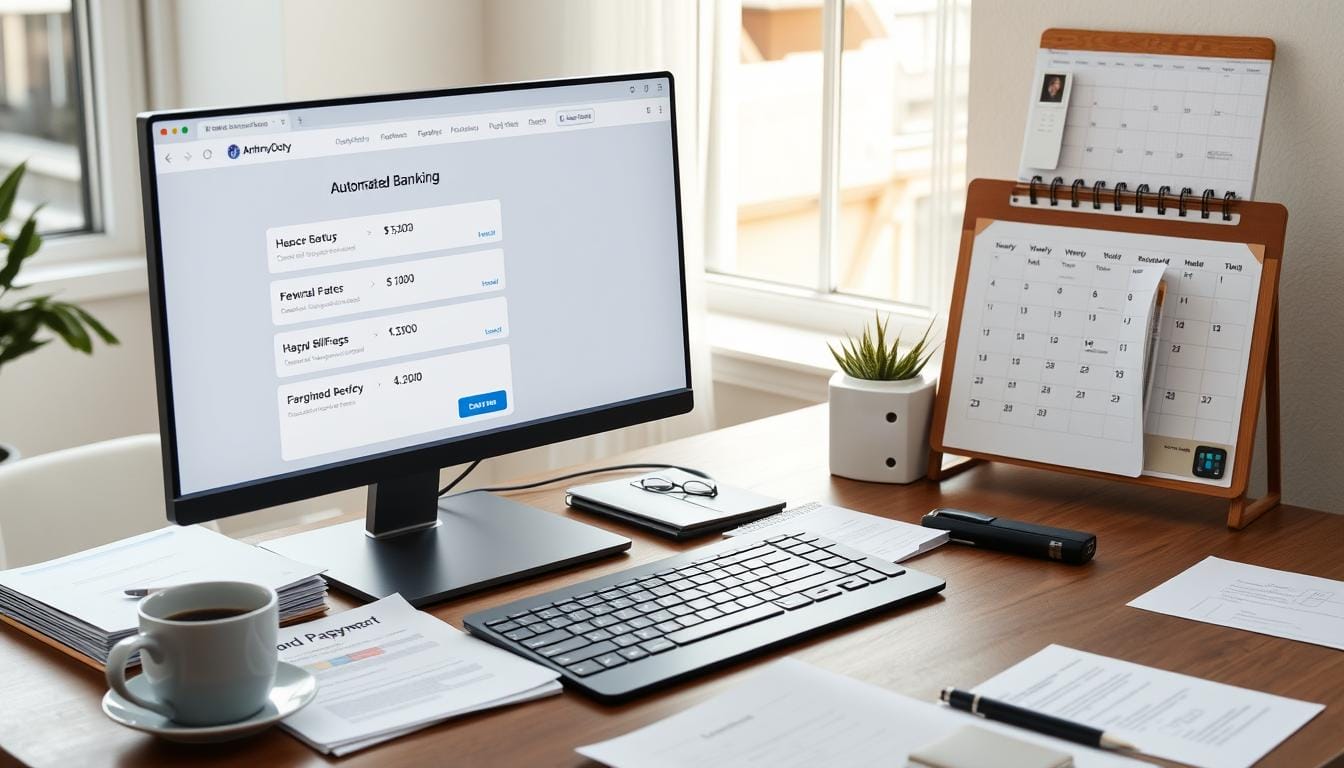
About 42% of bills can be paid automatically. This shows how much we rely on technology to make our lives easier. If you're juggling many bills, you might face late fees and penalties. But, setting up automated bill payments can help. It lets you manage your budget better and improve your financial health.

Automating your payments means you won't forget due dates. This can boost your credit score and give you peace of mind. It's a smart way to keep up with bills and stay on top of your finances.

Key Takeaways

  • Automated bill payments allow for scheduled transfers to pay recurring bills.
  • They help avoid late fees and improve credit scores.
  • Setting up payments directly through companies or banks is common.
  • Monitoring account balances can prevent overdraft risks.
  • Tracking, managing payments, and adjusting schedules can enhance financial success.

Understanding Automated Bill Payments

Automated bill payments are key to managing money well. They help pay bills on time without needing to do it yourself. This way, I don't have to worry about late fees or losing services.

What are Automated Bill Payments?

Automated bill payments mean setting up regular payments from my bank account. This makes sure bills are paid on time. It's an easy way to handle my money. Using this method also lowers the chance of missing payments and the extra costs that come with it.

The Types of Bills You Can Automate

There are many bills you can automate to make managing money easier. Here are some common ones:

  • Mortgages
  • Utility Bills (electricity, water, gas)
  • Credit Card Payments
  • Loans (student loans, auto loans)
  • Insurance Payments
  • Streaming Subscriptions

This makes my financial life simpler and keeps payments secure and fast. I can set up payments online, avoiding the delay of writing checks. Adding these automated payments to my budget gives me peace of mind and more control.

https://www.youtube.com/watch?v=NSeIKnhMWJQ

Bill Type Frequency Payment Method
Mortgage Monthly Bank Transfer
Utility Bills Monthly Direct Debit
Credit Cards Monthly Debit/Credit Card
Insurance Payments Monthly/Quarterly Bank Transfer
Streaming Services Monthly Credit Card

Benefits of Bill Automation

Automating bill payments makes managing money easier and improves financial health. It helps reduce late fees and penalties. This leads to better money management.

No Late Payment Fees

Automating payments helps avoid late fees. Payments are taken out automatically on due dates. This means I never miss a payment.

It lets me focus on other important things without worrying about late charges.

Convenience of Managing Finances

Automatic payments mean I don't have to remember due dates. I can set up payments for things like mortgages and utility bills. This makes managing money easier, saving me time and reducing stress.

Improving Your Credit Score

Automated payments also help my credit score. Paying bills on time shows I'm financially responsible. This improves my credit score.

On-time payments look good on my credit history. They help build confidence in my financial future.

Benefits of automated bill payments

How Can I Set Up Automated Bill Payments to Avoid Late Fees and Penalties?

Automated bill payments can change the way I manage my money. It makes paying bills every month easier and helps me avoid late fees. I'll show you how to set up autopay and compare bank vs vendor options.

Steps to Enroll in Autopay

To start, I visit the billing company's website or call their customer service. Then, I log in and go to the “manage automatic payments” section. Next, I fill in the payment details and pick a withdrawal date that fits my budget.

Most companies clearly explain how to enroll in autopay on their websites. This makes it easy for me to do it right.

Setting Up Through Your Bank vs. Vendor

Choosing between bank and vendor setup has its pros and cons. Using my bank’s bill pay feature lets me automate payments from my account. This way, I have more control over when payments go out.

On the other hand, setting it up through the vendor means they take the payment directly from my account. This is convenient but requires trust in the company's billing practices.

Here’s a comparison of the two methods:

Method Pros Cons
Bank Setup
  • More control over payments
  • Customizable withdrawal dates
  • Requires initial setup effort
  • May not be available for all bills
Vendor Setup
  • Convenient and seamless
  • Automatically linked to billing records
  • Less control over payment dates
  • Risk of unauthorized charges

https://www.youtube.com/watch?v=eMxTgPtpvmE

Potential Drawbacks of Automated Payments

Automated payments have many benefits, but they also have some downsides. It's important to know these issues to keep control of your money and avoid surprises.

Overdraft Risks

Automated payments can lead to overdraft risks. Banks might take money from your account even if you don't have enough. This can result in big overdraft fees, making managing your money harder. It's key to check your account balance before payments are due to avoid this.

Billing Errors and Monitoring Required

Automatic payments make paying bills easier, but they can cause billing errors. It's important to check my bank statements often for any mistakes or unauthorized charges. If I ignore these, I could face financial losses. By staying alert and taking action, I can handle any billing errors.

Tips for Successful Payment Scheduling

Keeping track of payment dates is key to staying financially healthy. It helps avoid unexpected fees. By doing this, I make sure my accounts have enough money. This cuts down on overdraft fees that can hurt my budget.

Keep Track of Payment Dates

Using digital calendars or setting up alerts for due dates works well. Many banks and services send reminders too. These tools help me keep up with payments and manage my money better.

Adjusting Payment Dates for Cash Flow Management

If money is tight, changing payment dates can help. I talk to service providers to move due dates. This spreads out my payments and helps me handle my cash better, avoiding late fees.

Making the Most Out of Automated Payments

Using autopay can change how I handle my bills and money. I can set up automatic payments for different bills, so I never forget due dates. There are three main ways to pay: the minimum, a custom amount, or the full balance.

Paying the full balance is key to avoiding interest. Custom amounts are good for big debts. Knowing these options helps me use autopay to its fullest.

Using Autopay Wisely to Avoid Fees

Automatic payments help me avoid late fees and penalties. They make sure I pay on time, which keeps my credit score up. Many credit card companies let me make multiple autopayments a month, giving me more flexibility.

Checking my bank and card statements often helps me stay on top of my finances. This way, I can spot any unexpected charges early. It helps me avoid overdraft and late payment fees.

Keeping Sufficient Funds in Your Account

Keeping enough money in my account is key to using autopay well. A low balance can lead to extra fees, which cancels out the benefits of automated payments. By watching my spending, I can keep a safety net for my bills.

This approach prevents overdraft fees and helps me manage my money better. Being proactive with my finances lets me enjoy autopay's perks without the downsides.

Payment Option Description Advantages
Minimum Payment Pay just the minimum required amount Reduces immediate financial burden, prevents late fees
Custom Amount Pay a specific amount as set by me Effective for managing larger bills or debts
Full Statement Balance Pay the entire balance due on each statement Avoids interest charges, supports better credit score

Conclusion

Automated bill payments have changed how I manage my money. It makes keeping track of bills easy and helps avoid late fees. By following a few simple steps, I can keep my finances in check.

This system helps me stay calm about paying bills on time. It also saves me from the stress of late fees and extra charges. With automated payments, I can focus on my financial goals.

It's important to keep an eye on my money and check my accounts often. Tools like digital banking reminders help me stay on top of things. I can also pay more than the minimum to stay ahead.

Programs like a FREE 30 Minute Financial Empowerment 5S Session offer extra support. They help me work towards financial health.

By being proactive and using technology, I can easily manage my bills. This helps me reach my financial goals. These steps lead me to a more secure and stable financial future.

FAQ

How can I set up automated bill payments?

To set up automated bill payments, visit the billing company’s website or call their customer service. Log in, go to the “manage automatic payments” section, and enter payment info. Then, pick a withdrawal date.

What types of bills can I automate?

I can automate bills like mortgages, utility bills, credit cards, student and auto loans, insurance payments, and streaming services. This makes managing my bills easier.

What are the benefits of automated bill payments?

Automating bill payments helps avoid late fees, saves time, and can improve my credit score by ensuring payments are made on time.

Are there any drawbacks to automated bill payments?

Yes, there are downsides. Overdrafting my account if I don't have enough money can be a risk. Automated payments also mean I need to watch for billing errors.

How can I avoid overdraft fees when using autopay?

To dodge overdraft fees, I should keep an eye on my account balances and payment dates. Digital calendars or budgeting apps can help me stay on top of my finances.

Can I adjust my payment dates for better cash flow management?

Yes, if I'm short on cash, I can talk to my service providers about changing payment dates. Spreading out my payments can help me manage my money better.

How can I ensure I’m using autopay wisely?

To use autopay smartly, make sure I'm paying the correct amounts, like minimums or full balances. It's key to check my account often to keep enough money and avoid extra fees.

For more insights and detailed guides, visit our website: (https://anthonydoty.com). Start your journey to financial freedom today! 🌟 🚀 Don’t miss out on our free 30-minute consultation to kickstart your financial empowerment journey. [Click here to book now](Links.Anthonydoty.com/s/FREE30). Follow us for more expert tips and join our community of empowered individuals. #FinancialFreedom #WealthBuilding #BudgetingTips #FinancialPlanning #Empowerment #Success #AnthonyDoty https://anthonydoty.com/how-can-i-set-up-automated-bill-payments-to-avoid-late-fees-and-penalties/?feed_id=9239&_unique_id=67aba4bbd79ba&utm_source=&utm_medium=admin&utm_campaign=FS%20Poster

Saturday, November 30, 2024

Easy Budgeting Tips for Beginners: Master Your Finances

Learning how to budget is a crucial step towards financial independence and reducing stress. With the right approach, anyone can become a master of their own finances. In this article, I will share some easy budgeting tips for beginners, so you can take control of your money and achieve your financial goals. When it comes to personal finance, having a solid budget is key. By carefully managing your income and expenses, you can make informed decisions about your spending, saving, and debt repayment. Here are some essential budgeting tips to get you started on the path to financial success:

Key Takeaways:

  • Calculate your monthly income and expenses to create a budget.
  • Choose a budgeting method that suits your needs, such as the 50/30/20 rule.
  • Automate your savings to make it easier to set aside money for future goals.
  • Regularly review and adjust your budget to accommodate changes in income and expenses.
  • Use tools like NerdWallet to track your spending and identify areas for savings.
By following these budgeting tips, you can gain control over your finances and work towards achieving your financial dreams. Remember, mastering budgeting may take time, but with persistence and determination, you can build a solid foundation for a brighter financial future.

Understanding the Budgeting Process

https://www.youtube.com/watch?v=7lHNMGoACdQ When it comes to effective budgeting, understanding the process is key. It starts with calculating your after-tax income and determining your budgeting plan. By considering your needs, wants, and savings goals, you can create a budget that covers all aspects of your financial life. To ensure that your budget is on track, consider using automated savings. This allows you to allocate money for specific purposes, such as emergencies, retirement, or big-ticket items. Regularly reviewing and managing your budget is also essential. By doing so, you can make adjustments as needed and ensure that your money is being allocated wisely. There are several tools available to help you with your budgeting journey. For example, NerdWallet is a popular platform that can help you track your spending, identify areas for savings, and stay on top of your financial goals. By utilizing these resources, you can gain a better understanding of your spending habits and make informed decisions about your finances.

The Benefits of Budget Planning

Proper budget planning is crucial for financial success, especially for beginners. It allows you to take control of your money and make intentional choices about how you spend and save. By having a budget in place, you can avoid unnecessary debt, plan for the future, and achieve your financial goals. Additionally, budgeting helps you develop healthy financial habits. It encourages you to prioritize your expenses, live within your means, and avoid impulsive purchases. With a solid budgeting plan, you can feel confident in your financial decisions and build a stronger financial foundation. In conclusion, understanding the budgeting process is crucial for beginners looking to take control of their finances. By calculating your income, creating a budget, and using tools like NerdWallet, you can make informed decisions and achieve your financial goals. Remember, budgeting is a continuous process, so be sure to regularly review and adjust your budget as needed.

Try a Simple Budgeting Plan

budgeting strategies When it comes to budgeting, simplicity is key, especially for beginners. One popular and effective budgeting strategy is the 50/30/20 budget. This approach provides a straightforward framework for allocating your income towards different financial priorities. The 50/30/20 budget divides your after-tax income into three categories: needs, wants, and savings. Let's break it down:

  • Needs (50%): This category includes essential expenses like housing, utilities, groceries, transportation, and insurance. Allocate 50% of your income towards these necessities to ensure your basic needs are covered.
  • Wants (30%): This category covers non-essential expenses that bring you joy and entertainment. Dining out, travel, and entertainment fall under this category. Dedicate 30% of your income to enjoy these discretionary expenses guilt-free.
  • Savings and Debt Repayment (20%): Prioritizing savings and debt repayment is crucial for long-term financial security. Allocate 20% of your income towards building an emergency fund, saving for retirement, and paying off debts.
The 50/30/20 budgeting plan allows for a balanced financial life. By allocating a significant portion of your income towards needs and savings, you can maintain financial stability and plan for future goals, while still having room for occasional indulgences. For a visual representation of the 50/30/20 budget, refer to the table below:
Category Allocation
Needs 50%
Wants 30%
Savings and Debt Repayment 20%
Remember, this budgeting plan is a starting point, and you can adjust it to fit your unique circumstances. As you gain more experience and confidence in managing your finances, you can explore other budgeting strategies and make modifications to better align with your financial goals. The key is to find a plan that works for you and helps you stay on track towards financial success.

Tips for Successful Budgeting

https://www.youtube.com/watch?v=vksHgs3It3o When it comes to successful budgeting, there are several key strategies that can help beginners on their financial journey. By following these tips, you can effectively manage your money, save for the future, and achieve your financial goals.

1. Budget to Zero

One of the most important aspects of successful budgeting is allocating every dollar you earn. Budgeting to zero means giving each dollar a specific purpose, whether it's for bills, savings, or discretionary spending. By assigning each dollar a name, you can ensure that your money is being used intentionally and that you're not overspending.

2. Share Your Budgeting Process

Sharing your budgeting process with a financial accountability partner or your spouse can provide a sense of motivation and accountability. By discussing your budgeting goals and progress with someone else, you'll stay focused and committed to sticking to your financial plan. Your partner can also provide support and guidance when you face challenges or temptations to deviate from your budget.

3. Plan for Specific Expenses

Every month is different, and unexpected expenses can throw off your budget if you're not prepared. It's important to plan ahead and set aside funds for specific expenses like back-to-school supplies, holidays, or vacations. By anticipating these expenses and saving for them in advance, you can avoid financial stress and stay on track with your budget.

4. Be Flexible and Trim Your Budget

As your financial situation changes, it's important to be flexible and adjust your budget accordingly. If you experience a decrease in income or an increase in expenses, look for areas where you can trim your budget. This could mean reducing discretionary spending, finding ways to save on bills, or even reevaluating your savings goals. Being open to adjustments will help you maintain a realistic and sustainable budget.
Budgeting Tip Description
Budget to Zero Allocate every dollar to a specific purpose to ensure intentional spending.
Share Your Budgeting Process Stay motivated and accountable by discussing your budget with a partner or spouse.
Plan for Specific Expenses Anticipate and save for specific expenses like vacations or back-to-school supplies.
Be Flexible and Trim Your Budget Adjust your budget as needed to accommodate changes in income or expenses.

Conclusion

As a beginner in budgeting, it's important to remember that taking control of your finances is a journey. By implementing these helpful budgeting tips, you can set yourself up for success and achieve your financial goals. Creating a plan for your money is the first step towards financial independence. Start by calculating your monthly income and expenses, and choose a budgeting method that suits your needs. Whether it's the popular 50/30/20 rule or a different approach, find a plan that works for you. Consistency is key when it comes to budgeting. Tracking your expenses, reviewing your budget regularly, and adjusting as needed will help you stay on track. And don't forget to give yourself some grace. It may take a few months to fully grasp budgeting, but with commitment and dedication, it will become second nature. Remember, budgeting is not just about restricting your spending. It's about making intentional choices with your money, saving for the future, and enjoying financial peace of mind. So take the first step today and start your budgeting journey. You'll be amazed at the positive impact it can have on your life.

FAQ

How do I create a budget?

To create a budget, calculate your monthly income, choose a budgeting method (such as the 50/30/20 rule), and automate your savings. Regularly review and manage your budget to adapt to changes in income, expenses, and priorities.

What tools can help me track my spending?

Tools like NerdWallet can help track spending and identify areas for savings.

What is the 50/30/20 budgeting method?

The 50/30/20 budget is a simple and popular approach. Allocate 50% of your after-tax income towards needs, 30% to wants, and 20% to savings and debt repayment.

How can I stick to my budget?

Start by budgeting to zero before the month begins, give every dollar a name. Share your budgeting process with a financial accountability partner or spouse to stay motivated and focused. Be open to trimming your budget and adjust categories as needed.

How long will it take to get the hang of budgeting?

It may take a few months to get the hang of budgeting, so give yourself grace and stay committed. With consistent effort, budgeting will become a natural part of your financial routine.

Source Links

For more insights and detailed guides, visit our website: (https://anthonydoty.com). Start your journey to financial freedom today! 🌟 🚀 Don’t miss out on our free 30-minute consultation to kickstart your financial empowerment journey. [Click here to book now](Links.Anthonydoty.com/s/FREE30). Follow us for more expert tips and join our community of empowered individuals. #FinancialFreedom #WealthBuilding #BudgetingTips #FinancialPlanning #Empowerment #Success #AnthonyDoty https://anthonydoty.com/budgeting-tips-for-beginners/?feed_id=8217&_unique_id=674b63775c026&utm_source=&utm_medium=admin&utm_campaign=FS%20Poster

Smart Personal Budgeting: Top Strategies

Are you finding it tough to manage your money? Maybe you're feeling stressed about paying bills or handling debts. Don't worry, w...