Showing posts with label Savings goals. Show all posts

Friday, November 29, 2024

Navigating Family Budgeting Strategies for Success

Did you know, 74% of American families make a monthly budget? That's pretty good, isn't it? Shockingly, 84% of these families say they spend more than they should. So yes, most families are falling into this overspending trend.

A survey by the Harris Poll in 2023 revealed this problem. It shows we want to be good with money but find it hard to stop overspending.

But there's no need to worry. By using the right budgeting methods, you can manage your family's money better. You can tackle financial issues and work towards a stronger financial future.

Key Takeaways:

  • Family budgeting is crucial for staying financially secure and hitting your financial aims.
  • Even though many American families budget each month, a big group still finds it hard to spend less.
  • Using the right budgeting tips can help you control your family's money and meet your financial dreams.
  • If you're struggling with your budget, know that there are useful tips out there. You're not alone in this.
  • Need help with your money management? Reach out for a free financial consultation today and start your path to financial health!

Are you having a hard time with your finances? 🌟 Reach out for a FREE financial consultation. Let's see how I can help. Found this article useful? Share it with a friend! 📩 For more help, they can contact me at anthony@anthonydoty.com or call 940-ANT-DOTY. Let's work on your financial success together!

The Importance of Family Finance Planning

Family finance planning is crucial today. It helps us face the financial challenges we meet. Understanding our personal finances is key. By tracking our money, we make better choices. This effort reduces the worry about our financial future.

Learning about finance is essential for good planning. We should know how to budget, save, and invest wisely. This knowledge helps us reach our financial dreams. It allows us to wisely spend our money and reach our goals.

It's important to control how we spend money. This requires us to think about what we really need. It means choosing carefully where our money goes. With proper control, we use our money better to achieve our dreams.

“Financial literacy is not an option anymore. It’s a necessity.” - Lewis Howes

Family finance planning is like a guide to our financial future. It helps us save for retirement, educate our kids, or buy a house. Setting clear goals and following a budget are key steps. These help us make our financial dreams come true.

With focus and discipline, financial success is possible. It requires learning more about money and staying within a budget. The road to financial stability is long. But, with a plan, we can face it confidently and prosper.

Image related to the importance of financial literacy:

Getting Started with Family Budgeting

First, collect all the financial details about your income, expenses, debt, and savings. This will show where you stand money-wise. With this info, you can create a budget that fits your goals.

Gather Financial Information

Start by gathering important financial papers. Look for pay stubs, bank statements, and bills. This helps you know how much you earn and spend.

Set Financial Goals

Then, decide on family financial goals. You might want to save for a trip, pay off debts, or plan for when you retire. Clear goals help shape your budget.

Track Spending

Keeping track of what you spend is key. Write down everything you spend money on. This way, you'll see where you can save. Being aware helps you make smart choices with your money.

Create a Budget

Next, make a budget based on your income and goals. This budget should cover things like housing, food, and fun. Make sure you save money too.

Keep an eye on your budget. You might need to tweak it as things change. Using apps can make managing your money easier. They can also give you good insights.

Starting is the first important step towards financial success for your family. If in doubt, reach out. Do it today and start managing your family's budget better!

https://www.youtube.com/watch?v=GXZjTN0RZJw

Need help with your finances? 🌟 Get a FREE financial check-up to see how I can help. Like this advice? Share it with friends who could use it! 📩 For direct help, they can email me at anthony@anthonydoty.com or call 940-ANT-DOTY. Let's work on your financial plan together!

Smart Budgeting Strategies for Modern Families

Ready to manage your family's money and stay stable? With smart budgeting, you can secure a bright future. Here are tips for modern families:

Embrace Technology for Budgeting

Using tech can make budgeting easier. Many apps and software can help you monitor what you earn, spend, and save. This tech gives you a full view of your finances. It helps you make smart choices.

Adopt a Cash-Only Policy

Credit cards can make it easy to spend too much and get into debt. Try using cash for optional spending. Paying with cash makes you think more about what you buy. It stops impulse shopping. This way, you learn to spend wisely and stay on budget.

Automate Savings and Bill Payments

Automatic payments help you save regularly and pay bills on time. Set up to move money to savings automatically and pay bills ahead of time. It frees you from remembering to pay or not save. This makes managing money simpler and keeps you on track.

Practice the 50/30/20 Rule

Following the 50/30/20 rule is a straightforward way to manage your money. Spend half your income on must-haves. Use 30% for things you want. Save the last 20% or use it to pay off debts. This approach sets a clear plan for your finances.

Negotiate and Shop Around for Better Deals

Don't shy away from negotiating for better prices on big expenses. You might lower costs on insurances or monthly bills. Shopping around and haggling can save you a lot. This means more money for your financial goals.

Invest in Financial Literacy

Knowing about money is a smart investment for life. Learn about budgeting and money with family. Join classes, read books, or take online lessons on finances. This knowledge helps you make wise choices for your financial future.

Build an Emergency Fund

Every family needs a fund for unexpected times. Try to save three to six months of living expenses. This protects you from things like losing a job or sudden health costs.

Distinguish Between Wants and Needs

It's crucial to know what you must have versus what you want. This ensures you meet your needs first. It helps you avoid spending too much on things you don't actually need.

Embrace Frugality

Finding ways to save without feeling deprived is key. Use lists, coupons, or buy in bulk to cut costs. These small changes can save you a lot over time.

Manage Debts

If you have debts, make a plan to pay them off. List all debts and think about consolidation. Pay off your high-interest debts first. Also, make sure to at least pay the minimum on all your debts.

Invest in the Future

Invest in your family's future, whether in retirement or education. Start early and keep investing. This will help your wealth grow and secure your family's future.

Getting financially fit is a process requiring your steady work. By using these strategies, you can feel sure about your money management. This leads to the financial freedom you want.

embrace technology for budgeting

Feeling financial strain? 🌟 Get in touch for a FREE money chat to see how I can help. Like this advice? Share it with a friend! 📩 For direct help, email anthony@anthonydoty.com or reach out at 940-ANT-DOTY. Let's journey through your money matters together!

How to Create a Family Budget in 5 Steps

Creating a family budget is simple with five steps. These steps put you in charge of your money. You start working towards your financial goals today.

Step 1: Calculate Family Income

First, add up all family income. This includes what you earn from jobs, bonuses, and any other source. Remember to count any extra or changing income too.

Step 2: Identify and Categorize Expenses

Then, list and sort your expenses. Look back at your spending to make this list. Separate your needs from your wants. Needs are things like home, food, and transport. Wants are things like eating out and fun stuff.

Step 3: Evaluate Net Income

Now, figure out your leftover money after expenses. This is your net income. Just subtract all your monthly spending from what you make. This shows the money you have left.

Step 4: Decide on a Savings Strategy

After knowing your net income, plan your savings. Think about your goals and how much you can save monthly. Dedicate some of your extra money to savings. Choose an option that fits your goal, like an emergency fund or saving for a house.

Step 5: Review and Streamline

Finally, keep checking and improving your budget. Watch how you spend and find ways to spend less. Cut costs where you can, and make your budget better. Doing this regularly keeps you on the path to meeting your goals.

Using these steps will build a firm family budget. By working on your income, expenses, net income, and savings, you're set to win. Start now for a financially brighter future!

Need help getting your finances stable? Get a FREE financial chat today. Share this useful article with anyone who could use it! 📩 For direct aid, reach out to me at anthony@anthonydoty.com or call 940-ANT-DOTY. Let's walk the financial road together!

https://www.youtube.com/watch?v=AU-E1lm3wxY

Conclusion

Are you finding it hard to manage your money? 🌟 I offer a FREE financial checkup to show you ways I can help. Enjoyed this article? Share the insights with a friend who might need them! 📩 For more direct support, your friends can reach me at anthony@anthonydoty.com or call 940-ANT-DOTY. Let's work together on your financial path!

Creating a family budget is key for financial success. Families should set goals, watch their spending, and use smart budgeting methods. This helps everyone feel sure about their money management.

Using technology and making wise spending choices are crucial. It's also important to save money regularly and to learn about finances. These steps, along with saving for emergencies and understanding the difference between what you want and what you need, will lead to success.

By planning well and sticking to the plan, families can improve their finances. This means they can look forward to a better, more secure future, all together.

FAQ

Why is family budgeting important?

Family budgeting is key. It keeps your finances stable, helps reach family goals, and lowers stress. You get a clear plan to handle your money wisely and make your income count.

How can family finance planning help my family?

Planning your family's finances brings many benefits. It gives control over spending, helps meet goals, and cuts stress. You learn to manage money, set budgets, and spend smartly.

How do I get started with family budgeting?

Start budgeting by checking your income, expenses, debts, and savings. Clearly set your financial goals. Track daily spending to spot habits. Lots of apps and tools can help. Make a budget that fits your goals and situation. Regularly update your budget to keep on course.

What are some smart budgeting strategies for modern families?

Today's families can budget smartly. This means using tech, spending cash only for extras, and automating savings and bills. Use the 50/30/20 rule for budgeting. Always look for good deals. It's also wise to be financially k

nowledgeable, have an emergency fund, know wants from needs, be thrifty, manage debt well, and think about the future.

How can I create a family budget in 5 steps?

Follow 5 simple steps to make your family budget. Start by calculating your total monthly income. Then, list out your expenses by must-haves and nice-to-haves. Subtract the costs from your income to see your net.

Next, choose a saving plan that matches your financial targets. Lastly, keep checking and improving your budget. This way, you manage to save more and tweak expenses as necessary.

Source Links

For more insights and detailed guides, visit our website: (https://anthonydoty.com). Start your journey to financial freedom today! 🌟 🚀 Don’t miss out on our free 30-minute consultation to kickstart your financial empowerment journey. [Click here to book now](Links.Anthonydoty.com/s/FREE30). Follow us for more expert tips and join our community of empowered individuals. #FinancialFreedom #WealthBuilding #BudgetingTips #FinancialPlanning #Empowerment #Success #AnthonyDoty https://anthonydoty.com/family-budgeting-strategies/?feed_id=8203&_unique_id=674a11ed5c642&utm_source=&utm_medium=admin&utm_campaign=FS%20Poster

Monday, November 25, 2024

Empower Your Finances: Money-Saving Hacks for Young Adults

Did you know that 64% of young adults have a hard time with their money? They often spend all their money before the next paycheck.

As a young adult, learning to manage money is key for financial freedom and reaching your dreams. But it can be tough at first. That's where these tips come in.

In this article, I'll give you 10 essential money-saving tips for young adults. These tips will help you steer your finances in the right direction. They are a great start for a better financial future.

Key Takeaways:

  • Create a budget to track your income and expenses.
  • Build an emergency fund to safeguard against unexpected financial challenges.
  • Follow the 50/30/20 rule to allocate your income wisely.
  • Differentiate between needs and wants to prioritize spending.
  • Avoid excessive credit card usage and focus on using cash.

Need help with your finances? 🌟 Contact me for a FREE financial consultation. If this article helped, share it with a friend 📩. For more direct help, reach out to me at anthony@anthonydoty.com or call 940-ANT-DOTY. Let's work on your financial journey together!

Learn How to Budget

Learning to budget is the first step to financial freedom. With smart spending and budgeting strategies, you can own your financial future. Discover money-saving tips to tailor a budget that fits you.

1. Create a Budgeting Plan

To start budgeting, make a plan. Figure out what you earn and spend. Set realistic money goals. Then, decide how much to spend on wants, needs, and saving.

2. Track Your Expenditures

To keep track of your money, record all your spends. Use apps or spreadsheets to track. This helps cut down on unnecessary spending. Knowing where your money goes is key to wise financial choices.

"Budgeting isn't about restriction, but about taking control of your financial future."

3. Prioritize Your Needs

It's important to know your needs from wants. Start with the basics like housing, utilities, food, and paying off debts. By setting aside money for these first, you make sure essential needs are covered.

4. Incorporate Frugal Habits

Being frugal can save you a lot over time. Use coupons, shop sales, and buy secondhand. Small spending changes can lead to big savings.

https://www.youtube.com/watch?v=1RlOcwwLPqo

5. Set Savings Goals

Focus on saving by setting goals. Maybe you're saving for a rainy day, a house, or a vacation. Clear saving goals will keep you on budget and ensure you save regularly.

6. Review and Adjust Regularly

Don't set it and forget it. Life changes, so should your budget. Regularly check your budget and update it to match your current needs. This keeps you on the path to meet your financial dreams.

By budgeting wisely and spending smartly, young adults can lay a strong financial groundwork. It's not just about cutting back; it's about choosing with care. These steps guide you to make purposeful financial decisions.

Need financial help? 🌟 Reach out for a FREE financial advice so I can support you. Enjoy this article? Share its tips with a friend. 📩 For individual help, contact me at anthony@anthonydoty.com or call 940-ANT-DOTY. Let’s work on your financial goals together!

Create an Emergency Fund

Life throws us unexpected surprises. Having an emergency fund can help you feel safe and secure. It's about saving money in a smart way for young adults. This fund helps you cover sudden costs without warning.

But how can you start?

Set a Savings Goal:

First, decide how much you need for your emergency fund. A good target is to save three to six months of living expenses. This amount will help if you lose your job or have big medical bills.

Make Saving a Priority:

After setting your goal, focus on saving regularly. Think of it as a must-pay bill each month. It's smart to set up automatic transfers for your savings. This allows your savings to grow without extra effort.

Choose the Right Account:

It's crucial to keep your emergency savings in a good spot. Look for a savings account that pays a lot in interest. Research the best banks to grow your money safely.

Remember, your emergency fund is for true emergencies only. It’s not meant for things like sudden shopping sprees or unplanned trips.

Having an emergency fund is a smart move for young people. It offers a safety net for your financial future. So start saving today for a better tomorrow!

Need help with your finances? 🌟 Get a FREE financial check-up now. Share this advice with a friend who needs it! 📩 For help, contact me at anthony@anthonydoty.com or call 940-ANT-DOTY. Let’s meet your money goals together!

Use the 50/30/20 Rule

Managing your money well is key to a better life. The 50/30/20 rule is a smart way to budget. You split your money into three parts: needs, wants, and savings.

Let's break it down:

  • 50% for Needs: Put half of your money towards must-haves like rent and groceries. This keeps you steady and safe financially.
  • 30% for Wants: Fun is important too. So, spend 30% on things like eating out or a spa day. You'll feel good without worry.
  • 20% for Savings: Save 20% of your income for the future. Keep this money in a special place for saving, emergencies, and goals.

This rule helps you manage your money well. It lets you meet your needs, have fun, and save easily. Plus, it sets you on a good path for your financial future.

Finding balance in money is crucial, and the 50/30/20 rule shows you how. Start using this rule today to take charge of your finances.

Category Allocation
Needs 50%
Wants 30%
Savings 20%
money-saving hacks for young adults

Feeling lost with your money? 🌟 Contact me for a FREE chat about how I can help. Share this article with friends who need it! 📩 For personal help, email anthony@anthonydoty.com or call 940-ANT-DOTY. Let's work on your money journey together!

Learn How to Separate Needs from Wants

It's important to know the difference between needs and wants to save money. You can improve your finances by giving priority to what you truly need. This means choosing essentials over desires to make a better budget.

Needs:

Needs are critical for your health and well-being. They are what you must have to live, like rent, food, and healthcare. These expenses are vital for daily life.

Wants:

Wants are the extra things not necessary for life. They include eating out, traveling, and buying luxury goods. While it's okay to spend on wants sometimes, putting needs first is crucial. This way, you spend your money in the best possible way.

Thinking about needs and wants helps you spend wisely. Doing this, you can cut back on things you don't need. It lets you focus on what's truly important in your life.

Use Cash Instead of Credit

Managing your money wisely is crucial. One great idea for saving is using cash, not credit. This helps young people stay out of debt and save more over time.

https://www.youtube.com/watch?v=BJJqJGo0L3g

When you use credit cards a lot, it's easy to spend more than you realize. You might buy things on a whim and go over your budget. Then, you could end up owing a lot on your cards with high interest.

But, if you use cash or a debit card, you'll know exactly how much you're spending. Seeing your money physically leave you makes you think harder about what you buy. This makes you more careful with your money.

"Using cash instead of credit has been a game-changer for me. It keeps me accountable and prevents unnecessary debt. I now only spend within my means, and it has made a significant difference in my finances."

- Sarah Thompson, Young Adult

It's good to start building credit, but put that off until you're great at managing your money. Focus on buying only what you really need. Using cash helps you remember that some things you want, you don't really need right now.

In short, paying with cash not credit is a simple way for young adults to save money. It teaches good spending habits and urges you to be careful with your money. By making this change, you're setting yourself up for financial success and a better future.

Need help with your finances? 🌟 Get a FREE financial consultation today. Loved this article? Share it with a friend who needs this advice! For more direct help, contact me at anthony@anthonydoty.com or call 940-ANT-DOTY. Let's work on your financial goals together!

Conclusion

Having trouble with money? 🌟 Get a FREE financial checkup to see how I can help. Share this advice with a friend who needs it! 📩 For personal advice, email me at anthony@anthonydoty.com or call 940-ANT-DOTY. I'm here to guide you through your finances!

FAQ

How can I learn how to budget?

To start managing your money, learn to budget. Make a plan for your spending. Decide how much to put towards what you need, want, and save. Then, keep an eye on your spending to make sure you're on track.

What should I do to create an emergency fund?

Set money aside for unexpected costs to avoid getting into more debt. Put this money in a savings account that earns a lot of interest. This way, it grows but won't be risky.

What is the 50/30/20 rule and how can I use it?

The 50/30/20 rule is a good way to save, spend, and meet your needs. It suggests dividing your income into 50% for must-haves, 30% for things you want, and 20% for saving up.

How can I distinguish needs from wants?

When budgeting, figure out what's necessary for a good life and what's extra. Things that help you live comfortably are needs. Everything else, like fun stuff, are wants. This way, you can choose what to spend on more wisely.

Should I use credit cards or cash?

Stick to buying things you can afford with either cash or your debit card. Try not to use a credit card. They can lead to extra charges and debt. It's more important to limit how much you buy right now than building credit. This will help you avoid money problems later.

Source Links

For more insights and detailed guides, visit our website: (https://anthonydoty.com). Start your journey to financial freedom today! 🌟 🚀 Don’t miss out on our free 30-minute consultation to kickstart your financial empowerment journey. [Click here to book now](Links.Anthonydoty.com/s/FREE30). Follow us for more expert tips and join our community of empowered individuals. #FinancialFreedom #WealthBuilding #BudgetingTips #FinancialPlanning #Empowerment #Success #AnthonyDoty https://anthonydoty.com/money-saving-hacks-for-young-adults/?feed_id=8147&_unique_id=6744cc230d478&utm_source=&utm_medium=admin&utm_campaign=FS%20Poster

Saturday, October 26, 2024

Path to Prosperity: Mastering Financial Well-Being Strategies

Did you know, only 17% of adults over 50 are financially healthy? It shows the big need for better money management. If you're stressed about money or your financial future, you're not alone. But, you can learn ways to take charge of your money and find your path to success.

In this guide, we're going to work on your financial health. We'll start by looking at how you budget and handle your debts. Then, we'll move on to smart investing and preparing for retirement. I aim to give you practical advice. Together, we'll make sense of personal finance and help you build a secure and wealthy tomorrow.

Are your finances giving you a hard time? 🌟 Get in touch today for a FREE consultation. Let's work together to move you towards better financial health. Enjoyed this article? Share it with someone who could use the advice! 📩 For direct advice, reach out to me at anthony@anthonydoty.com or call 940-ANT-DOTY. I'm here to guide your financial journey.

Key Takeaways:

  • Financial well-being is crucial for a prosperous future.
  • Only 17% of adults aged 50 or older are considered financially healthy.
  • Budgeting, debt management, investing, and retirement planning are key components of financial well-being.
  • Seeking professional guidance can greatly improve your financial situation.
  • Take action today to regain control of your finances and secure your future.

Budgeting for Success

Being good with money is key for a better life. Budgeting helps you control your spending. It lets you choose where your money goes. With smart budgeting, you can reach your dreams and keep your finances safe.

Start by looking at what you earn and spend every month. Don't forget bills and debts. After that, save a part of your money. This will help you be ready for tough times and your future plans.

Save Consistently

Regularly saving small amounts is vital. Consider it a must-do part of your budget. It grows your safety net and funds your big dreams, like owning a home or retiring well.

"Saving money isn't about depriving yourself of things you enjoy. It's about prioritizing your financial well-being and setting yourself up for a secure future." - Anthony Doty, Financial Consultant

Want to save more? Look at where you can spend less. Try DIY coffee, home-cooked meals, or bulk groceries. These little changes help your savings grow without giving up too much fun.

Strike a Balance

Don't just think about tomorrow. Enjoy some of your money today, too. Make room in your budget for what makes you happy. Balancing fun and saving makes financial health sustainable.

Keep a close eye on what you spend. Use an app or write things down. Knowing exactly where your money goes helps you adjust. It finds ways to save even more.

Start Today

Start managing your money well now. The earlier, the better for your financial health. Take charge of your money. This choice leads to a brighter future.

Need money help? I offer a FREE consultation. I'm here for your finance needs. JJolt some financial help works. Reach me at anthony@anthonydoty.com or call 940-ANT-DOTY for personal advice. Let's improve your finances together!

https://www.youtube.com/watch?v=AUkaisVrPWI

Budgeting Strategies Money Management Techniques Financial Planning Tips Financial Well-Being Strategies
Create a realistic budget Track your expenses Save consistently Strike a balance between present and future
Cut back on discretionary expenses Allocate towards savings and investments Prioritize financial goals Set yourself up for a secure future
Review and adjust your budget regularly Find ways to increase income Seek professional financial advice Take control of your finances

Debt Management Strategies

Are you facing financial struggles? You're not alone. Many people deal with debts. The good news is that there are ways to manage and overcome debt. With the right techniques, you can start on the path to a debt-free life.

Understanding Your Debt

Before you start managing your debt, first, know what you owe. List all your debts, total amounts, interest rates, and the minimum you must pay each month. This info is key to making a plan to pay off your debts step by step.

Creating a Personalized Debt Repayment Plan

Each debt situation is different. It's vital to create a plan that fits your goals and pocket. Here's how:

  1. Debt Snowball Method: Begin by tackling your smallest debts first, while keeping up with larger ones. This method helps you see progress faster and keeps you motivated.
  2. Debt Avalanche Method: Start by paying off debts with the highest interest rates. This method saves you money in the long run by cutting down interest costs.
  3. Consolidation Loans: If you have many debts with high interest, think about combining them into one loan with a lower interest rate. It can make paying off your debt easier and save you some cash.

There is no one perfect way to manage debt. Look at your own finances and pick the best method for you.

Expanding Your Debt Management Toolkit

Along with a plan, there are more things you can do to better manage your debt:

  • Budgeting: Make a budget that works for you to track what you earn and spend. By cutting costs where you can, you'll have more money to pay off debt.
  • Negotiating with Creditors: If you're having trouble keeping up with payments, talk to your creditors. They might agree to lower interest rates or change your payment plans.
  • Financial Counseling: Seeking advice from a financial counselor could help. They can give you a personalized plan and tips to manage your debt well.
Debt Management Strategies

Take the First Step Towards Financial Freedom

Understanding and managing your debt is the first step to financial freedom. These strategies can help you get to a debt-free life. Then, you can enjoy a more peaceful and secure financial future.

🌟 Reach out now for a FREE financial consultation to discover how I can assist you. Loved this article? Share the wisdom with a friend in need! 📩 For direct help, they can contact me at anthony@anthonydoty.com or call 940-ANT-DOTY. Let's navigate your financial journey together!

Investing Wisely

Get a grip on the investment world through our detailed guides.

Start with the basics on stocks and bonds. Also, look into various investment methods that match your risk, goals, and time.

With wise investment decisions, you can grow your money and ensure a strong financial future.

Ready to move towards financial wellness? Let's begin!

"The stock market is filled with individuals who know the price of everything, but the value of nothing." - Philip Fisher

Understanding Stocks and Bonds

First, let’s grasp stocks and bonds.

Stocks: They mean you own part of a company. You get a cut of the profits. While they can be risky, they can also offer big rewards.

Bonds: These are loans you make to governments or companies. They come with agreed interest rates and dates when they're paid back, which makes them a safer choice.

Choosing the Right Investment Strategy

Investing isn't one plan fits everyone. It's vital to think about your financial aims and how much risk you're okay with.

Here are some approaches you might like:

  1. Value Investing: Spotting stocks that are cheaper than they should be. The hope is that they'll gain value in the future.
  2. Growth Investing: Looking for companies expected to grow a lot, even if their stock prices are high now.
  3. Index Fund Investing: These funds match a market index, spreading out your investment. It helps lower risk.
  4. Dividend Investing: Focusing on stocks that pay out dividends regularly. This can give you a steady money flow.
  5. Asset Allocation: It means investing in different things like stocks, bonds, and homes. This spreads out your risk.

Start Your Investing Journey Today

Ready to invest wisely and secure your financial future?

Our team is ready to help. We can create a plan just for you and your goals.

https://www.youtube.com/watch?v=ZVI-d8R0Vek

Troubles with money? 🌟 Get a FREE financial check-up today to see how we can help. Contact us.

Enjoy this article? Share it with someone who needs it! 📩 For personal help, reach out to anthony@anthonydoty.com or call 940-ANT-DOTY.

Let's work on your financial journey together!

Retirement Planning for Peace of Mind

Getting ready for a secure retirement is exciting. At Anthony Doty Financial Services, we know how crucial retirement planning is. We want to help you make a solid plan customized for you. This way, you can relax and enjoy your senior years.

Retirement planning isn't just about money. It's about making smart choices. These decisions will bring financial safety. They also let you live the way you want during retirement.

Understanding retirement accounts and investments is vital. We'll guide you through account types, like 401(k)s and IRAs. Moreover, we'll assist you in picking the best investments. This is to grow your savings and keep your risks low.

Looking at Social Security's part is also key. We'll shed light on benefit calculations and the best time to start receiving them. Our advice will help you plan to get the most income in your retirement.

Retirement Planning Tips:

  1. Starting to save earlier is smarter. It gives your money more time to grow. Take advantage of how investing early with a consistent amount builds wealth over time.
  2. Figuring out your retirement needs is crucial. Think about the lifestyle you want and your health costs. Having clear targets will guide your financial choices.
  3. As you get closer to retiring, you should focus more on protecting your money than making it grow. A financial advisor can help you balance your portfolio for both safety and some growth.
  4. Always check in on your retirement plan. Life changes, and so do your needs. Make sure your plan stays in line with your goals by updating it regularly.

Remember, retirement planning is a journey. We're here to guide you all the way. As a Certified Financial Planner™, I offer personalized advice. I'll help you tackle the complexities of planning for retirement.

Struggling with your finances? 🌟 Reach out now for a FREE financial consultation to discover how I can assist you. Loved this article? Share the wisdom with a friend in need! 📩 For direct help, they can contact me at anthony@anthonydoty.com or call 940-ANT-DOTY. Let's navigate your financial journey together!

Retirement Planning Benefits Financial Planning Tips Wealth Building Strategies
Peace of mind for the future Create a realistic budget Invest wisely for long-term growth
Ability to maintain desired lifestyle Manage debt effectively Diversify investments to manage risk
Secure financial independence Regularly review and revise your plan Take advantage of tax-efficient strategies

Real Estate Knowledge

Thinking about real estate as an investment? It doesn't matter if you're buying your first home or you're experienced. Learning about the market and managing property is key to smart choices. With the right real estate knowledge, you can find financial opportunities and meet your goals.

Real estate is always changing and offers many ways to build wealth. You can invest in homes for rent or in big commercial projects. But, success means having the right knowledge and skills to move through this complex world.

Managing your properties well is very important. This involves looking after them every day, keeping them in good shape, and making the most money you can. Good management tips can help you find great tenants, increase your rent earnings, and keep your property valuable.

Financial planning is crucial in real estate. It's about knowing your budget, setting a good timeline, and spotting growth chances. Including these tips in your financial plans helps you make the right moves and meet your real estate goals.

“Real estate cannot be lost or stolen, nor can it be carried away. Purchased with common sense, paid for in full, and managed with reasonable care, it is about the safest investment in the world.” – Franklin D. Roosevelt

Benefits of Real Estate Investment

Real estate investment comes with several perks for those wanting to grow their wealth and future financial stability. The main benefits include:

  • Diversification: Investing in real estate lets you spread your risk over different assets, making your portfolio safer.
  • Income Generation: Properties that you rent out can give you a steady income stream, building a strong financial base.
  • Appreciation Potential: The value of real estate has increased over time, offering you a chance for your investment to grow.
  • Tax Benefits: Real estate investors get to enjoy tax breaks by deducting mortgage interests, property taxes, and more.

Successful Real Estate Investment Strategies

Using the right strategies is key to success in real estate investing. Here are some proven tactics:

  1. Market Research: Look deeply into the real estate market, local trends, and property values to find areas that are likely to grow.
  2. Due Diligence: Before you invest, check the condition and risks of the property. Consider its location, what it offers, and the demand for rentals.
  3. Financial Analysis: Figure out the ROI and how much cash the property can make to be sure it fits your financial plans.
  4. Risk Management: Spread your investments in different kinds of properties and areas to lower your financial risks.
  5. Property Management: Work with reliable experts or learn how to manage properties well to make them do better.

Tax Efficiency

Maximize your money through smart tax planning. Keeping up with tax laws and using legal deductions and credits can lower your tax bill. This keeps your finances in good shape.

Understanding Tax Planning Strategies

Being proactive in tax planning greatly helps your finances. Here are some key strategies to keep in mind:

  • Utilize tax-advantaged accounts: Use accounts like 401(k)s and IRAs. They reduce your taxable income and grow tax-free or tax-deferred.
  • Maximize deductions and credits: Learn about available deductions and credits. They can lower your tax bill. For example, you can deduct mortgage interest or medical expenses.
  • Consider tax-efficient investments: Look into investments, like municipal bonds, that are tax-friendly. Also, consider funds meant to avoid as many taxes as possible.

Staying Informed and Seeking Expert Advice

With tax laws always changing, being up-to-date is key. Getting advice from a tax professional can be very helpful. They can show you how to use deductions and credits wisely.

Struggling with your finances? 🌟 Reach out now for a FREE financial consultation to discover how I can assist you. Loved this article? Share the wisdom with a friend in need! 📩 For direct help, they can contact me at anthony@anthonydoty.com or call 940-ANT-DOTY. Let's navigate your financial journey together!

Recent Changes and Future Trends

Finance and tax laws are always evolving. Staying informed helps you adjust your tax plans. Keep an eye out for new tax laws or changes that could affect you.

Tax Planning Strategies Benefits
Deferring income Reduce current tax liability by postponing income to future years.
Charitable contributions Support causes you care about while enjoying potential tax deductions.
Estate planning Ensure smooth transfer of assets to your heirs with minimal tax implications.
Tax-efficient gifting Maximize the impact of your gifts by utilizing tax-effective strategies.

Working with pros and using good tax strategies can make a big difference in your financial future. It helps you save money, reach your goals, and secure your wealth.

Conclusion

Achieving financial well-being takes time. Use the tips and strategies from this article to manage your money better. By doing so, you can work towards being more financially secure. Remember to update your financial plans regularly, celebrate your wins, and keep up with how technology is changing finance.

If you're having money troubles, don't worry. 🌟 Get in touch for a FREE financial consultation. Let's work together to improve your situation. Enjoyed this article? Pass it on to a friend who could use the advice! 📩 For personal help, feel free to reach out at anthony@anthonydoty.com or call me at 940-ANT-DOTY. Let's start working on your financial future today!

FAQ

What are some strategies for achieving financial well-being?

To be financially stable, make a realistic budget and save often. Manage your debts and invest smartly. Plan for your retirement and save on taxes when you can.

How can I create a realistic budget?

Start by looking at how much you make and what you spend. Then, set goals and use your money wisely. Make sure to balance having fun now with saving for later.

What are some actionable strategies for managing debt?

To handle debt well, focus on paying off your high-interest loans first. Think about combining your debts or changing your loan terms.

Make steady payments and fit the plan to what you can afford.

How can I invest wisely?

Good investing means knowing about stocks and bonds. Understand how much risk you're okay with and what you're investing for.

Diversify your investments and keep up with news on the market.

What should I consider when planning for retirement?

Start by picturing the life you want in retirement and what it will cost. Look into different retirement funds and decide how to spread out your money.

Also, don't forget about Social Security. A strong plan will help you enjoy your later years.

How can I make informed real estate investment decisions?

Whether you're thinking about buying your first home or adding to your portfolio, learn what makes a good property investment. Knowing the market and how to manage your property well is key.

How can I maximize tax efficiency?

Stay on top of tax news and rules. Use strategies that help you pay less while still following the law.

What should I do to achieve financial well-being in the long term?

Keep updating your financial plan and look for ways to celebrate your progress. Staying informed about money and technology is crucial.

Subscribing to trusted financial advice can also keep you on track.

Source Links

For more insights and detailed guides, visit our website: (https://anthonydoty.com). Start your journey to financial freedom today! 🌟 🚀 Don’t miss out on our free 30-minute consultation to kickstart your financial empowerment journey. [Click here to book now](Links.Anthonydoty.com/s/FREE30). Follow us for more expert tips and join our community of empowered individuals. #FinancialFreedom #WealthBuilding #BudgetingTips #FinancialPlanning #Empowerment #Success #AnthonyDoty https://anthonydoty.com/financial-well-being-strategies-2/?feed_id=7727&_unique_id=671d3f0db1055&utm_source=&utm_medium=admin&utm_campaign=FS%20Poster

Friday, August 30, 2024

Effective Personal Budgeting Techniques for Sustainable Financial Health

In today's fast-paced world, it's crucial to prioritize effective personal budgeting to ensure the sustainable financial health of yourself and your family. Whether you are aiming to save for a major purchase, pay off debt, or simply have more money in your bank account at the end of the month, implementing these budgeting techniques can help you reach your financial goals. In this blog post, I will share some essential budgeting strategies that have helped me gain control of my finances and achieve financial stability. By incorporating these techniques into your life, you too can experience the peace of mind that comes with knowing that you are in control of your money. Join me on this journey to financial empowerment and security.
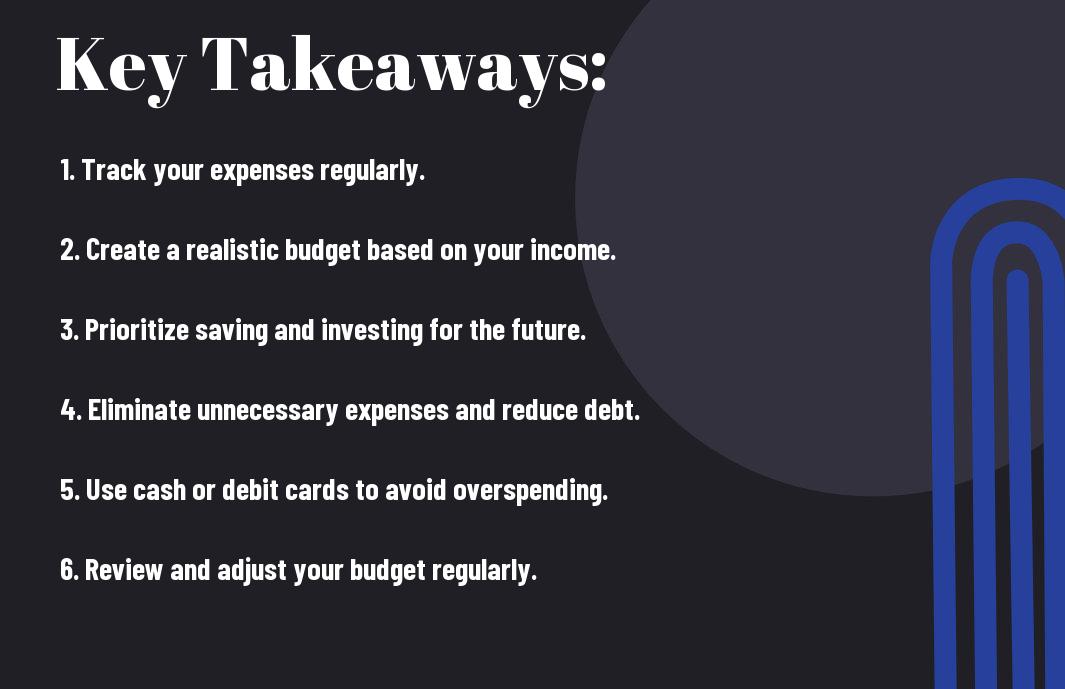
Key Takeaways:

  • Track expenses: Keep a record of all your expenses to identify where your money is going and where you can cut back.
  • Create a realistic budget: Set achievable financial goals and allocate appropriate amounts for essential expenses, savings, and discretionary spending.
  • Automate savings: Set up automatic transfers to a savings account to ensure you pay yourself first before spending on unnecessary items.
  • Avoid impulsive spending: Stick to your budget and avoid making impulsive purchases that can derail your financial goals.
  • Review and adjust: Regularly review your budget and make necessary adjustments based on changes in income or expenses.
  • Utilize budgeting tools: Take advantage of budgeting apps and tools to streamline the budgeting process and keep track of your financial progress.
  • Seek professional help if needed: Don't hesitate to seek advice from financial planners or advisors if you need help with complex financial situations.

Setting Up Your Budget

Obviously, the first step in effective personal budgeting is actually setting up your budget. To do this, follow the steps outlined in this helpful article on How To Budget In 7 Simple Steps from Forbes.

Assessing Income and Expenses

When setting up your budget, the first thing you need to do is assess your income and expenses. This means taking a hard look at how much money you make each month and how much you spend. This will give you a clear picture of your financial situation and help you understand where adjustments need to be made. Be sure to include all sources of income, as well as all regular expenses such as rent or mortgage, utilities, groceries, and any debt payments. This will help you get a clear understanding of your financial standing.

Categorizing Your Spending

Another important step in setting up your budget is categorizing your spending. This means breaking down your expenses into categories such as housing, transportation, food, entertainment, and savings. By doing this, you can identify areas where you may be overspending and find opportunities to cut back. It's important to be honest and thorough when categorizing your spending, as this will help you make informed decisions about where to allocate your money. Being disciplined about categorizing your spending can be a powerful tool in controlling your financial health.

Budgeting Strategies

However, it's not just enough to create a budget; you need to have effective budgeting strategies in place to ensure that you stick to your financial plan and achieve your goals.

The Envelope System

The envelope system is a simple yet effective budgeting technique where I allocate a certain amount of cash to different categories of expenses and put the cash into separate envelopes labeled with the category. For example, I may have envelopes for groceries, transportation, entertainment, and so on. Once the cash in each envelope is gone, I know I've reached my limit for that category. This helps to prevent overspending and keeps me accountable for my expenses.

Zero-Based Budgeting

Zero-based budgeting is a method where I allocate every dollar of my income to a specific expense, savings, or debt repayment, leaving zero dollars unallocated. This means that I have a clear plan for every dollar I earn, which helps to eliminate any potential for overspending. By giving every dollar a job, I am able to track my spending more effectively and ensure that I stay within my financial means.

The 50/30/20 Rule

The 50/30/20 rule is a popular budgeting strategy that suggests allocating 50% of your income to needs, 30% to wants, and 20% to savings and debt repayment. I find this rule to be helpful in providing a simple guideline for managing my finances. It ensures that I prioritize essential expenses, allocate a portion for enjoyment and leisure, and save for the future. This approach assists in maintaining a balanced financial life and sets a framework for effective budgeting.

Tools and Resources

Your financial health can greatly benefit from the use of various tools and resources available to help you effectively manage your personal budget. Whether you prefer a more hands-on approach or require assistance in developing your budgeting skills, there are numerous resources to suit your needs. You can start by exploring 5 Simple Budgeting Methods To Help You Live Your Best Life to discover different budgeting techniques that may work for you.

Budgeting Software and Apps

One of the most efficient ways to manage your personal budget is by utilizing budgeting software and mobile apps. These resources can help you track your expenses, set savings goals, and analyze your spending patterns. I personally use and highly recommend utilizing budgeting apps as they provide real-time insights into my financial decision-making. They have revolutionized the way I manage my finances by making it easier to stay on track with my budget and financial goals.

Utilizing Spreadsheets and Templates

In addition to budgeting software and apps, another effective tool for personal budgeting is utilizing spreadsheets and templates. These tools offer a customizable approach to budgeting, allowing you to tailor your budgeting plan to your specific financial needs. I find that using spreadsheets and templates gives me a more detailed and visual representation of my budget, making it easier to identify areas of improvement and take control of my spending habits. They provide the flexibility to create a budget that works for me, giving me a clear understanding of my financial situation and enabling me to make more informed decisions. By leveraging these tools and resources, you can gain better control of your finances and work towards sustainable financial health. These resources can empower you to take charge of your financial future, identify areas of improvement, and ultimately achieve your financial goals.

Monitoring and Adjusting Your Budget

Despite carefully crafting a budget and sticking to it, it's important to regularly monitor and adjust your budget to ensure it remains effective. Life is unpredictable, and unexpected expenses or changes in income can throw your budget off track. By regularly monitoring and adjusting your budget, you can ensure your financial health remains sustainable.

Tracking Progress and Analyzing Data

As I monitor my budget, I track my progress and analyze the data to identify any areas that may need adjusting. I keep a close eye on my spending habits, comparing them to my budgeted amounts. I use tools such as spreadsheets or budgeting apps to help me track my progress and identify any areas where I may be overspending. By analyzing this data, I can make informed decisions about where I need to adjust my budget to ensure I stay on track.

Adapting to Financial Changes

Life is full of financial changes, from unexpected expenses to increases or decreases in income. When I encounter these changes, I adapt my budget accordingly. If I encounter a sudden expense, I look for areas where I can cut back to compensate for the unexpected cost. If I experience an increase in income, I consider how I can put that extra money to best use, whether it's paying off debt more quickly or increasing my savings. Adapting to these financial changes is crucial for maintaining a sustainable and healthy budget.

Advanced Budgeting Techniques

Lastly, let's dive into advanced budgeting techniques that will take your financial health to the next level. These techniques will help you not only manage your current expenses, but also plan for the future and maximize your savings and investments.
  1. Forecasting Future Expenses
    The Importance Forecasting future expenses is crucial for staying ahead of your financial obligations. By anticipating upcoming expenses, you can budget and prepare for them in advance, preventing any financial strain in the future.
    Dangerous Pitfalls Ignoring future expenses can lead to unexpected financial burdens, pushing you into debt or causing financial stress. Not planning for major expenses like medical bills or car repairs can leave you unprepared and vulnerable.
  2. Savings and Investment Planning
    The Positive Impact Effective savings and investment planning can help you build a strong financial foundation for the future. By setting aside a portion of your income for savings and making smart investment decisions, you can secure your financial stability and work towards achieving your long-term financial goals.
    The Danger Failing to save and invest can leave you vulnerable to unexpected financial setbacks. Without a solid savings plan, emergencies or unexpected expenses can derail your financial health and leave you struggling to recover.

Forecasting Future Expenses

Forecasting future expenses is a crucial aspect of effective personal budgeting. By looking ahead and anticipating major expenses such as medical bills, car repairs, or home maintenance, you can proactively budget for these costs and avoid being caught off guard. I advise you to regularly review and update your budget to account for upcoming expenses, ensuring that you are prepared for any financial obligations that may arise.

Savings and Investment Planning

When it comes to sustainable financial health, saving and investing are essential components. By diligently setting aside a portion of your income for savings and making informed investment decisions, you can secure your financial future and work towards achieving your long-term financial goals. I recommend creating a detailed savings plan and seeking professional advice for investment opportunities, ensuring that you are making the most of your financial resources.

Overcoming Common Budgeting Challenges

To achieve sustainable financial health, it's crucial to address and overcome the common challenges that come with personal budgeting. By being aware of these obstacles and having effective strategies to tackle them, you can stay on track with your financial goals and maintain a healthy budget.

Dealing with Irregular Income

When you have irregular income, it can be challenging to create a stable budget. To address this challenge, it's important to prioritize building an emergency fund. By setting aside a portion of your income during high-earning months, you can create a safety net for months when your income is lower. Additionally, I recommend creating a detailed budget based on your average monthly income. This will help you allocate funds for essential expenses and prioritize your spending, even when your income fluctuates.

Managing Debt and Reducing Expenses

Managing debt and reducing expenses are crucial for maintaining a sustainable budget. Start by identifying your outstanding debts and creating a repayment plan. Prioritize debts with high-interest rates and consider seeking professional advice if needed. Additionally, I recommend reviewing your expenses and identifying areas where you can cut back. This could include eliminating unnecessary subscriptions or finding cost-effective alternatives for everyday expenses. By managing your debt and reducing expenses, you can free up more funds to allocate towards savings and investments.

The Importance of Effective Personal Budgeting Techniques

The key to achieving sustainable financial health is through the utilization of effective personal budgeting techniques. By carefully managing your income, expenses, and savings, you can create a solid financial plan that will help you reach your financial goals and avoid debt. Through careful planning and discipline, you can prioritize your spending, identify areas for potential savings, and make informed decisions about your finances. As I have discussed, the use of budgeting tools, tracking your expenses, and setting financial goals are crucial steps in achieving financial stability. By implementing these techniques, you can take control of your finances and work towards a more secure and sustainable financial future.

FAQ

Q: What are the key elements of effective personal budgeting?

A: The key elements of effective personal budgeting include setting financial goals, tracking expenses, creating a realistic budget, and prioritizing savings and debt repayment.

Q: How can I set financial goals for effective personal budgeting?

A: Start by determining what you want to achieve financially, whether it's paying off debt, saving for a big purchase, or building an emergency fund. Set specific, measurable, achievable, relevant, and time-bound (SMART) goals to guide your budgeting efforts.

Q: What are some practical tips for tracking expenses?

A: Use a budgeting app or spreadsheet to track your expenses, categorize them, and compare them to your budget. Keep receipts and review your bank and credit card statements regularly to ensure accuracy.

Q: How do I create a realistic budget?

A: Start by calculating your income and listing all your monthly expenses, including fixed costs like rent and utilities, as well as variable expenses like groceries and entertainment. Allocate a portion of your income to savings and prioritize debt repayment. Be honest about your spending habits and make adjustments as needed to ensure your budget is sustainable.

Q: What strategies can I use to prioritize savings and debt repayment?

A: Consider setting up automatic transfers to a savings account to make saving easier. When it comes to debt repayment, consider the avalanche or snowball method to pay off debts efficiently. Prioritize high-interest debts and make extra payments whenever possible.

Q: How can I maintain my budget for sustainable financial health?

A: Review your budget regularly, make adjustments as needed, and stay disciplined in your spending. Avoid unnecessary expenses and strive to live within your means. Consider seeking support from a financial advisor if you need help staying on track.

Q: What are the benefits of effective personal budgeting?

A: Effective personal budgeting can lead to reduced financial stress, increased savings, debt reduction, and a clearer path towards achieving your financial goals. It also helps you develop healthier spending habits and better financial discipline. For more insights and detailed guides, visit our website: (https://anthonydoty.com). Start your journey to financial freedom today! 🌟 🚀 Don’t miss out on our free 30-minute consultation to kickstart your financial empowerment journey. [Click here to book now](Links.Anthonydoty.com/s/FREE30). Follow us for more expert tips and join our community of empowered individuals. #FinancialFreedom #WealthBuilding #BudgetingTips #FinancialPlanning #Empowerment #Success #AnthonyDoty https://anthonydoty.com/effective-personal-budgeting-for-financial-health/?feed_id=7107&_unique_id=66d219b1438bc&utm_source=&utm_medium=admin&utm_campaign=FS%20Poster

Tuesday, August 20, 2024

Empower Your Future: Financial Well-being Strategies

Struggling with money? Ever feel like bills and debt keep piling up? Want to change the course of your finances? It's time to learn how strategies for financial well-being can make a huge difference.

Financial management is more than budgeting and paying debts. It's about opening doors for personal and career growth. It's also planning for a better tomorrow for you and your family. So, are you looking for the keys to financial success?

This article will give you tips and advice on managing personal finances. Whether you're just beginning or wanting to boost your finances, these strategies will guide you towards financial stability. They'll help you reach your financial dreams.

Key Takeaways:

  • Financial management plays a crucial role in shaping our future.
  • Understanding your current financial situation is the first step towards financial well-being.
  • Budgeting is a powerful tool for allocating income and prioritizing spending.
  • Investing is key to building wealth and achieving long-term financial goals.
  • Saving money is crucial for financial security and protecting against unexpected expenses.

Ready to take control of your finances? Get a free consultation today to see how I can help. Found this article helpful? Share it with a friend! 📩 For personal help, email anthony@anthonydoty.com or call 940-ANT-DOTY. Let's work on your financial journey together!

Understanding Financial Management

Financial management is how we reach our future dreams. It includes managing money, setting budgets, and financial planning. Knowing your current financial status helps you make smart choices and take charge of your finances.

Managing money includes creating strategies for a better financial life. Budgeting is key. It helps us spend our money wisely, save, and avoid debt. This leads to a more stable financial situation.

Budgeting is like a roadmap for your financial journey. It helps you stay on track, make informed decisions, and reach your destination of financial security.

Financial management is also about being smart with spending and saving. We should find ways to earn more, spend less, and invest wisely. This way, we make the most of our money and create a strong base for the future.

Remember, financial management isn't just about today. It's about reaching future goals, like buying a home or retirement. Having clear financial goals helps us plan and make decisions that support our dreams.

https://www.youtube.com/watch?v=eyDLMBlmzpQ

Learning about financial management is the first step to a better financial future. With knowledge and action, we can manage our money better and work towards our dreams. This creates a more secure financial life.

Need help with your finances? 🌟 Get a FREE financial consultation to see how I can help. Enjoyed this article? Share it with a friend in need! 📩 For direct assistance, email me at anthony@anthonydoty.com or call 940-ANT-DOTY. Let's work on your financial journey together!

The Basics of Budgeting

Struggling with your finances? 🌟 Reach out now for a FREE financial consultation to discover how I can assist you. Loved this article? Share the wisdom with a friend in need! 📩 For direct help, they can contact me at anthony@anthonydoty.com or call 940-ANT-DOTY. Let's navigate your financial journey together!

Budgeting helps us control our money and aim for financial well-being. It means dividing our money for spending and saving, giving each dollar a job.

Budgeting lets us put spending in order. It keeps track of our money and stops us from taking on too much debt. This way, we can make smart decisions about our money and reach our financial goals.

Mindful spending is important in budgeting. It means thinking about what we buy and if we really need it. This helps us cut down on waste and choose better ways to use our money.

Using cash envelopes is another great way to budget. It means putting a set amount of cash aside for things like food or fun. Using cash helps us see how much we're spending and keeps us from spending too much.

By using these budgeting tricks every day, we can take charge of our money. Budgeting helps us stay focused on our goals and feel less stressed about our finances.

financial stability

Benefits of Budgeting:

  • Helps prioritize spending and allocate income
  • Enables tracking of expenses and identification of saving opportunities
  • Prevents unnecessary debt and promotes financial stability
  • Promotes mindful spending and conscious financial decisions
  • Aids in achieving short-term and long-term financial goals

Working on our budget every day helps us have a better future. Coming up, we'll look at how to invest for wealth over time.

Investing for Success

Investing helps us reach our financial dreams. It's a way to use our money wisely. No matter if you're saving for the future, a home, or education, investing speeds up your goals.

Want to see your investments do well? Start with these important steps:

  1. Set Clear Financial Objectives: Decide what you want from your money and when. This helps you make smart investment choices.
  2. Diversify Your Portfolio: Put your money in different places. Choose from stocks, bonds, and real estate. This lowers risk and could bring you more money in the end.
  3. Stay Informed About Market Trends: Learn about what's happening in markets. This knowledge helps you decide when to buy or sell.
  4. Control Your Emotions: Don't let feelings guide your investing, especially in tough times. Stay focused and avoid quick decisions. Think about your long-term goals.
  5. Adopt a Long-Term Mindset: Investing takes time to pay off. Stick to your plan, even when markets are up and down. Compounding will work in your favor over time.

Investing is risky, and success isn't guaranteed. Do your homework and find a financial advisor if you're unsure. Base your decisions on what risks you're ok with and your financial position.

"The stock market is filled with individuals who know the price of everything, but the value of nothing." - Philip Fisher

Follow these strategies and stay true to your financial aims. You'll build wealth and achieve success over the long run. Start investing today and watch your dreams come true.

Investment Type Advantages Disadvantages
1 Stocks
  • Potential for high returns
  • Ownership in a company
  • Dividend income
  • High volatility
  • Market fluctuations
  • Risk of losing principal
2 Bonds
  • Fixed interest income
  • Lower risk compared to stocks
  • Predictable cash flow
  • Limited potential for capital appreciation
  • Interest rate risk
  • Inflation erodes purchasing power
3 Real Estate
  • Passive income from rental properties
  • Potential for property value appreciation
  • Diversification from traditional investments
  • Requires significant capital
  • Property management responsibilities
  • Illiquidity

Work with a financial advisor to pick the right investments for you.

Need help with your money? Get a FREE financial chat today. Share this advice with a friend in need. For direct help, email anthony@anthonydoty.com or call 940-ANT-DOTY. Let's journey through money together.

The Power of Saving

Saving money is crucial for financial security and reaching our goals. It acts as a safety net for emergencies. This way, we can feel secure with money set aside for unexpected times.

Through simple steps and smart habits, we build a strong savings base. This protects us from sudden costs.

Creating an Emergency Savings Fund

Establishing an emergency fund is vital. It protects us during surprises like health issues, job loss, or home repairs. By saving a piece of our income for emergencies, we steer clear of debt and keep our finances stable.

Experts advise setting three to six months' worth of living costs aside. This prepares us for any unforeseen event.

https://www.youtube.com/watch?v=rlqIyMLBqzc

Making Saving Automatic

Automating savings is a great way to always set money aside. By moving cash from checking to savings without thinking, we avoid spending that money. This strategy lets our savings grow easily. Every bit we save gets us closer to our money targets.

Utilizing Extra Money

Extra money like bonuses or tax refunds should go to savings, not splurging. Redirecting these funds can speed up our financial security. It's a key part of staying committed to our financial future.

Using Tax Refunds Strategically

Tax refunds are a chance to boost savings. Instead of spending it fast, placing it in savings helps secure our future. We can use this money for various goals, such as buying a home, saving for retirement, or beefing up our emergency fund. This aligns our spending with our long-term plans.

Saving is an investment in our future. These savings practices steer us towards financial safety. They also offer more opportunities for a secure future.

To solve money problems, get a FREE financial session. Share this info with someone who needs it. 📩 For help, contact anthony@anthonydoty.com or call 940-ANT-DOTY. Let's work on your financial journey together!

Conclusion

Getting in charge of our financial well-being is a step-by-step process. It starts with knowing where we stand financially today. Then, it's about putting simple money strategies in place and aiming for reachable financial goals. This way, we can use smart financial management skills to build a solid financial security and reach our dreams.

The first move is to handle our money wisely. Do this through budgeting, investing, and saving smartly. By making choices based on good info, we can build a strong financial base. Doing these small things regularly makes a big difference over time.

If money matters are tough, don't be afraid to ask for a FREE expert advice. Let's work on improving your money situation together! If you have a friend who needs help, point them to this spot. They can reach me at anthony@anthonydoty.com or call 940-ANT-DOTY.

FAQ

How can I improve my financial well-being?

Improving your finances starts with simple steps. Budgeting, investing, and saving are key. These actions give you control over money and build a solid future.

What is financial management?

Financial management means handling your money well. It involves budgeting, saving, and planning. Knowing your financial status and using smart methods can lead to better money control.

How does budgeting help in managing personal finance?

Budgeting directs your income to needs and saving. It lets you see where your money goes. This way you can keep costs in check, avoid debt, and stay stable financially.

What strategies should I follow for successful investing?

For investing wisely, set clear goals and spread your investments. Stay updated on the market without letting emotions rule. A long-term approach often leads to better financial outcomes.

Why is saving money important?

Saving helps with financial stability. It allows you to build a safety net and handle unexpected costs. Making saving a habit is crucial for a secure financial future.

How can I take control of my financial well-being?

To own your financial well-being, start by understanding your situation. Use practical strategies and set future goals. Daily financial management can lead to lasting security and dream fulfillment.

Source Links

For more insights and detailed guides, visit our website: (https://anthonydoty.com). Start your journey to financial freedom today! 🌟 🚀 Don’t miss out on our free 30-minute consultation to kickstart your financial empowerment journey. [Click here to book now](Links.Anthonydoty.com/s/FREE30). Follow us for more expert tips and join our community of empowered individuals. #FinancialFreedom #WealthBuilding #BudgetingTips #FinancialPlanning #Empowerment #Success #AnthonyDoty https://anthonydoty.com/financial-well-being-strategies/?feed_id=6987&_unique_id=66c4ec065afcb&utm_source=&utm_medium=admin&utm_campaign=FS%20Poster

Smart Personal Budgeting: Top Strategies

Are you finding it tough to manage your money? Maybe you're feeling stressed about paying bills or handling debts. Don't worry, w...